The
Aromatic Connoisseur
A 3-Part Series on Sourcing, Quality & Sustainability
A true aromatic connoisseur doesn't simply know what smells good.
They understand what they're working with, where it came from,
what makes it exceptional, and what its journey into their hands
means for the plants, people, and ecosystems behind it.
There’s a point in working with aromatics when simply knowing the
name of something is no longer enough.
You want to know which Frankincense you’re holding.
Where that Sandalwood grew.
Why this batch of resin smells breathtakingly beautiful while
another of the same species seems comparatively flat.
Why one aromatic wood commands an extraordinary price,
while another that looks almost identical does not.
You start wondering about the trees themselves.
The landscape they grew in. The people who harvested them.
The way the material was handled, aged, stored, and eventually
brought halfway around the world to arrive in your hands.
And you begin to realize that learning about aromatics
can go almost endlessly deep.
Species. Origin. Terroir. Age. Harvest. Processing. Quality. Sustainability.
Each layer reveals another.
This is the world of the aromatic connoisseur.
The Aromatic Connoisseur
is an invitation to look more closely.
To become more discerning about what you bring into your
apothecary, workshop, studio, or home.
To recognize quality. To ask suppliers the right questions.
To understand what you're working with.
To appreciate the differences that make natural aromatic materials so endlessly fascinating.
And to remember the living plants—and the people and places—
behind them.
The Aromatic Connoisseur is a three-part exploration of this deeper world:
how to seek out exceptional natural aromatics, how to understand and evaluate
what you find, and how to source and use these precious botanical materials
in a way that helps protect their future.

Navigating the Aromatic World
Isn't Always Easy
The more popular natural aromatics become, the more crowded and confusing the marketplace can feel.
One supplier calls something premium grade. Another calls theirs wildcrafted. Another says ethically sourced, sustainably harvested, rare, pure, organic, or superior quality.
But what do those words actually mean?
Sometimes quite a lot. Sometimes very little.
Prices can vary dramatically for materials bearing the same name. Species and origins aren't always clearly disclosed. Sustainability claims can be difficult to verify. And beautiful photographs and compelling stories don't necessarily tell you whether what's inside the package is actually exceptional.
For someone who genuinely cares about quality, sourcing, and the plants themselves, knowing who and what to trust can become surprisingly difficult.
What you need is a better roadmap.
A way to know what to look for, what questions to ask, how to evaluate what you find, and how to make more informed choices about the aromatics you bring into your life.
Every Aromatic Has a Story
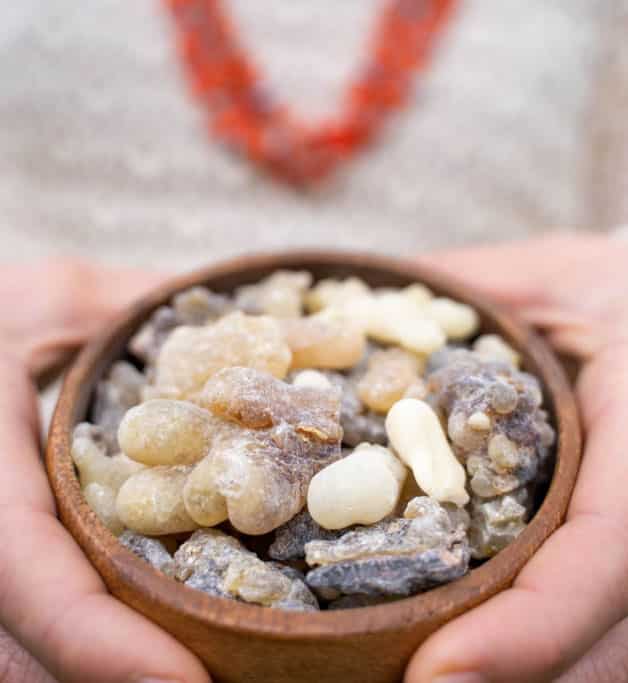
Pick up a piece of Frankincense and, at first glance, there isn't much to tell you where it has been.
But behind that small tear of resin is a particular species of Boswellia, growing within a particular landscape somewhere in the world.
Someone harvested it. It may have been cleaned, sorted, graded, exported, imported, and passed through many hands before eventually reaching yours.
The same is true of Sandalwood, Agarwood, Myrrh, Jasmine, Vetiver, Patchouli, Rose—and every other natural aromatic we work with.
Every aromatic material began as something alive, growing somewhere in the world.
Yet by the time it reaches us, that entire story can be reduced to a few words printed on a label.
Looking Beyond the Label
Once you begin looking deeper, an entirely different world reveals itself.
What species is it? Where did it grow? How old was the plant? What part was harvested? How was it processed? Why does this specimen smell so different from another bearing the exact same name?
Origin, terroir, age, harvest, processing and storage can all leave their fingerprints on an aromatic material.
Learning to recognize these differences is part of becoming a connoisseur—developing the knowledge and discernment to recognize what makes an aromatic truly exceptional.
But there's another reason to look beyond the label.
One that's even more important.
Every Purchase Casts a Vote
When we buy a natural aromatic, we're not simply choosing a scent.
We're supporting the chain of decisions that brought it to us.
A method of harvesting.
A relationship with the land.
A way of treating a plant.
A way of compensating the people who grew, gathered, distilled, or processed it.
Our dollars can support people doing extraordinary work to protect aromatic plants and the ecosystems they depend upon.
Or, without realizing it, they can contribute to overharvesting, habitat pressure, poorly compensated harvesters, and supply chains we'd never knowingly choose to support.
What we purchase matters.
“Natural” Doesn't Always Mean Sustainable
Unfortunately, making the right choice isn't always obvious.
Wild-harvested isn't automatically better.
Cultivated isn't automatically worse.
Organic doesn't necessarily mean sustainable.
Rare doesn't necessarily mean exceptional.
And even a breathtakingly beautiful aromatic material can come from a supply chain we ultimately decide we don't want to support.
The truth is, sustainability in the aromatic world is very nuanced.
It depends on the plant, the part being harvested, where and how it grows, how quickly it regenerates, how much is being taken, the health of wild populations, the people doing the harvesting, and countless other factors.
And even sustainability can mean different things to different people.
To make better choices, we need to know what questions to ask.
And I've spent over 15 years asking them.
A Lifetime in the Aromatic Arts
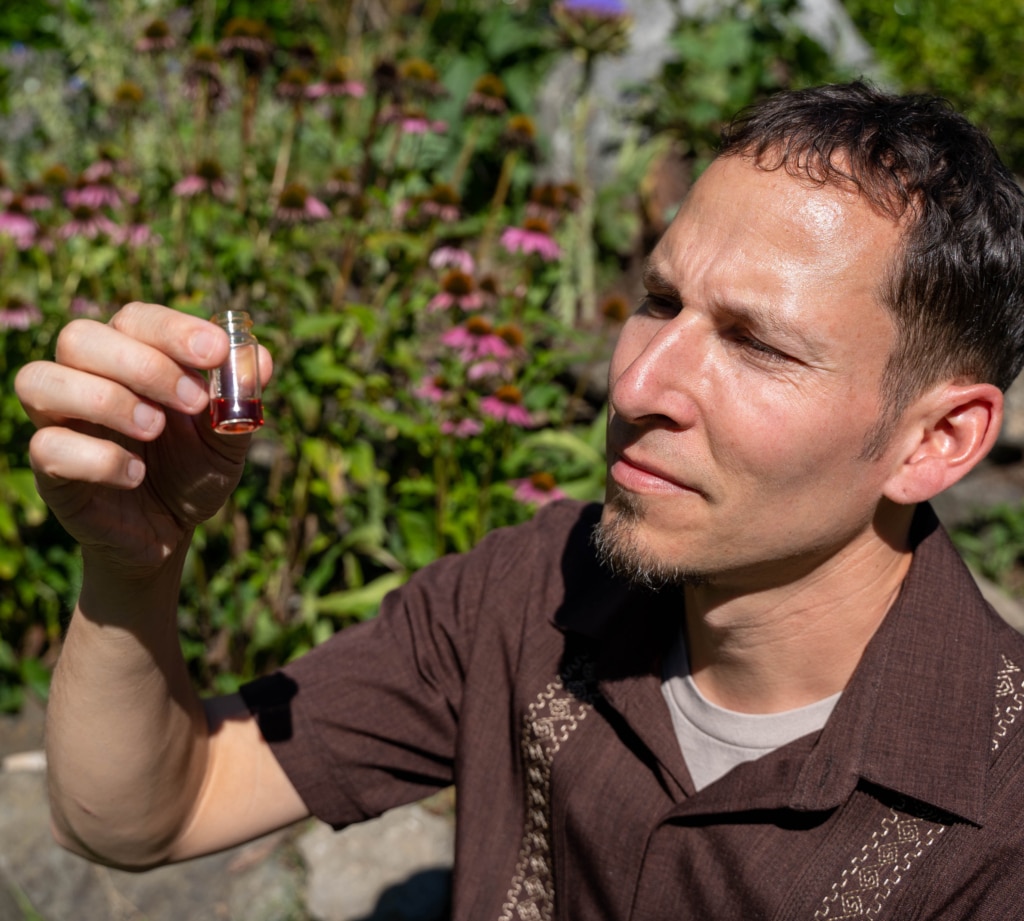
My name is Evan Sylliaasen, and I've spent much of my adult life immersed in aromatic plants—as an herbalist, aromatherapist, incense maker, formulator, educator, and lifelong student of the plants themselves.
Over the years, I've sourced hundreds of aromatic materials from around the world, searching out everything from extraordinary resins and fragrant woods to herbs, essential oils, and unusual botanical treasures.
Some have been relatively easy to find.
Others have sent me down long rabbit holes, following botanical names, tracking down growers and suppliers, comparing samples, researching origins, asking questions, and trying to understand the story behind what was being offered.
I've encountered extraordinary materials that I'll remember for the rest of my life...
And plenty that taught me what not to buy, and what traps to avoid.
Through it all, I've learned that finding an aromatic material is one thing.
Finding an exceptional one, and knowing why it's exceptional, is another.
15+ YEARS IN THE AROMATIC ARTS | HUNDREDS OF AROMATICS SOURCED
7,000+ STUDENTS TAUGHT
Higher Mind Incense Was Built on These Values
When I created Higher Mind Incense in 2011, sustainability wasn't something we added to the company later because consumers started asking about it.
It was part of the foundation from the beginning.
I've always believed that if we're going to build products, practices, and livelihoods around aromatic plants, we have a responsibility to understand where those plants come from and what our use of them means for their future.
That's why I've often described our role at Higher Mind Incense as being ambassadors of the plants.
Because plants can't tell customers that their populations are declining.
They can't explain that one harvesting method allows them to regenerate while another may slowly destroy them.
They can't tell us about the people halfway around the world whose livelihoods depend upon their harvest.
We have to care enough to learn their stories, and then help tell them.
That philosophy is woven throughout this entire series.
Three Classes.
One Deeper Journey Into the Aromatic World.
The Aromatic Connoisseur is divided into three standalone classes, each exploring a different part of our relationship with natural aromatic materials.
You can take whichever class interests you most, or experience all three together for the complete journey.
CLASS ONE
Sourcing the World's Aromatic Treasures
Finding Exceptional Aromatics & Understanding Where They Come From
Where do you actually find extraordinary and sustainable natural aromatic materials?
And once you've found a potential source, how do you know who to trust?
After more than 15 years of sourcing aromatics from around the world, I've learned that some of the most exceptional materials aren't always found through the most obvious channels.
Sometimes you have to follow the trail backward—past the retailer and toward the growers, harvesters, distillers, producers, cooperatives, importers, wholesalers, and knowledgeable specialists who actually know these materials.
In this class, I'll take you behind the scenes of how I source aromatics, including the strategies, questions, successes, mistakes, and hard-earned lessons I've gathered along the way.
In this 80 min. class, we'll explore:
🌿 How I find unusual and exceptional aromatic materials from around the world
🌿 How to search beyond the obvious retailers using botanical species, origin, plant part, and other clues
🌿 Finding growers, harvesters, distillers, producers, cooperatives, importers, wholesalers, and other sources
🌿 Direct sourcing vs. knowledgeable intermediaries—and when each makes sense
🌿 Botanical identity, provenance, geographic origin, and traceability
🌿 The questions to ask a potential supplier before you buy
🌿 Supplier red flags, vague terminology, and claims that deserve a closer look
🌿 What terms like wildcrafted, organic, ethical, and sustainable do—and don't—tell you
🌿 How sourcing closer to the source can sometimes uncover better materials at substantially better prices
🌿 Real sourcing stories and lessons from my own years of buying aromatics
By the end, you'll have a practical framework for finding better materials, finding better sources, asking better questions, and understanding what's really behind the aromatics you're considering.
CLASS TWO
Understanding Fine Aromatics
Quality, Discernment & Appreciating Natural Aromatic Materials
You can find the world's best supplier and still be left with another question:
How do you know if the aromatic in front of you is actually exceptional?
Why can two Sandalwoods of the same species smell worlds apart? Why is one Frankincense bright, complex, and captivating while another seems comparatively flat? And why can a material that costs twice as much sometimes be no better than the one beside it?
This class is about developing aromatic connoisseurship—learning what shapes the quality and character of natural aromatics, while training yourself to smell, compare, evaluate, and appreciate them on a deeper level.
In this 80 min. class, we'll explore:
🌿 What can make one aromatic specimen exceptional and another ordinary
🌿 Training your nose to notice greater subtlety, complexity, and difference
🌿 Developing your own aromatic palate, preferences, and educated discernment
🌿 Species, geographic origin, plant part, maturity, and age
🌿 Terroir and how growing conditions can shape aromatic character
🌿 How harvesting, drying, processing, distillation, extraction, and storage affect quality
🌿 Natural regional, seasonal, and batch-to-batch variation
🌿 Grades and grading systems, and when "grades" are little more than marketing
🌿 The complicated relationship between rarity, price, and actual quality
🌿 Freshness, degradation, improper storage, and aromatic off-notes
🌿 Adulteration, substitution, and misidentified materials
🌿 How to compare multiple specimens side-by-side
The goal isn't for me to tell you which Sandalwood, Frankincense, Vetiver, or Rose you're supposed to prefer.
It's to help you develop the knowledge—and the nose—to recognize and appreciate exceptional aromatics for yourself.
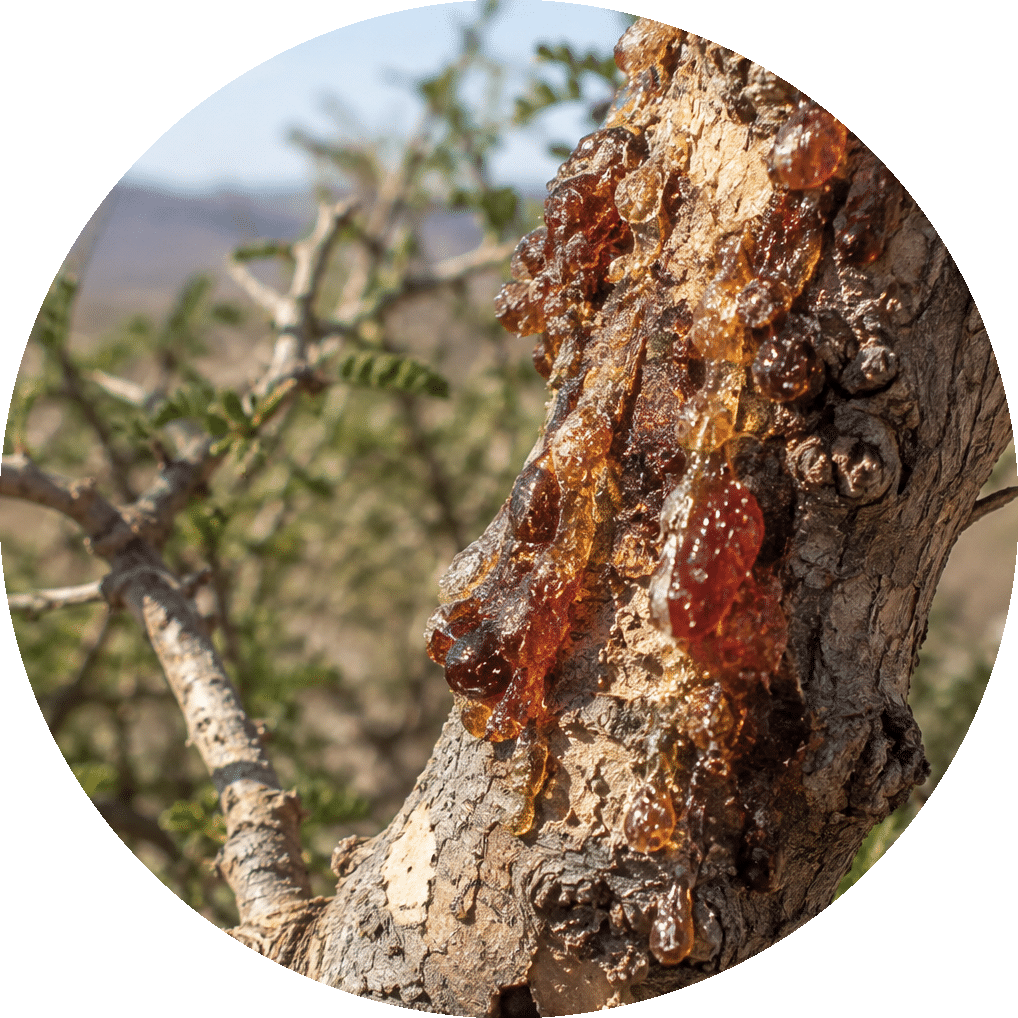
CLASS THREE
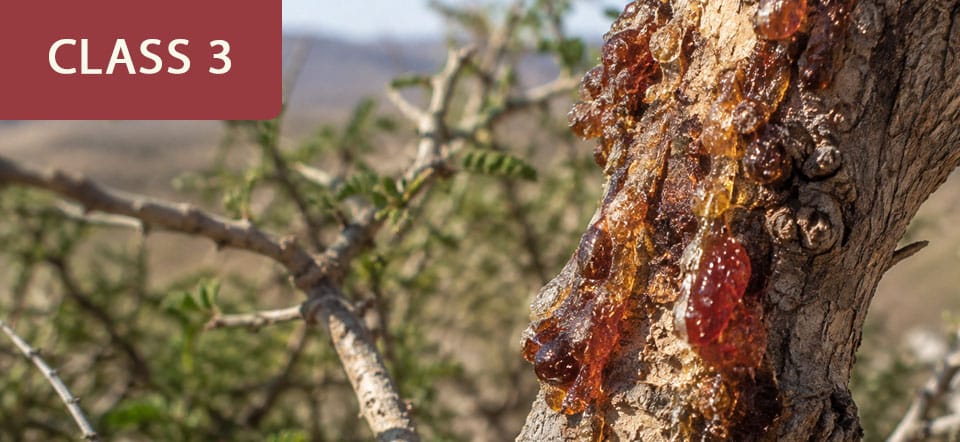
Guardians of the Aromatic Plants
Sustainability, Regeneration & the People Behind Our Aromatics
Every bottle of essential oil, piece of aromatic wood, handful of resin, dried root, flower, or fragrant leaf begins in the same place:
With a living plant.
And the deeper we venture into the aromatic arts, the more important it becomes to understand what our love for these materials asks of the plants—and the people and places that provide them.
Some aromatic plants regenerate readily after harvest. Others may take years or decades to mature. And some of the world's most treasured aromatics face serious pressures from growing demand, habitat loss, destructive harvesting, and complex international supply chains.
This class brings our journey back to the plants themselves and asks how we can enjoy these extraordinary materials while helping ensure their future.
In this 70+ min. class, we'll explore:
🌿 What "sustainable" actually means in the aromatic world
🌿 Why natural, organic, and wild-harvested don't necessarily mean sustainable
🌿 How harvesting flowers, leaves, fruits, roots, bark, resin, or heartwood creates very different pressures on plants
🌿 Wild harvesting vs. cultivation, and the benefits and tradeoffs of each
🌿 Over-harvesting, habitat loss, global demand, and other pressures on aromatic species
🌿 Rare, threatened, and precious aromatic plants
🌿 Frankincense, Sandalwood, Agarwood, and other real-world examples
🌿 The growers, harvesters, distillers, producers, and communities behind our aromatics
🌿 Fair compensation and why exceptionally cheap materials can carry hidden costs
🌿 Sustainability claims, certifications, transparency, and greenwashing
🌿 The complicated relationship between quality, price, ethics, and sustainability
🌿 How our purchasing choices can support better practices and a healthier aromatic trade
Ultimately, this class brings the entire Aromatic Connoisseur journey full circle: From commodity... back to plants.
Because becoming a true connoisseur isn't only about knowing how to find and recognize extraordinary aromatics.
It's also about becoming an ambassador of the plants that make the aromatic arts possible.
What You'll Receive
Each class includes:
• 70-80 minutes of in-depth video instruction
• Lifetime access to the class
• Downloadable class resources and reference materials
• Practical tools you can continue using as you source, evaluate, and work with natural aromatic materials
Choose an individual class and you'll receive everything associated with that class.
Choose the complete series and you'll receive all three classes and all accompanying resources.
Who Is The Aromatic Connoisseur For?
Whether you're purchasing aromatics by the kilo for your business or a few precious grams for your personal collection, the same questions matter. But for those buying in quantity, the stakes can be considerably higher.
Finding a better source can mean better quality and greater transparency, while potentially reducing what you pay by getting closer to the people actually producing the materials.
You don't need to own an aromatic business or be an herbalist or aromatherapist. And you certainly don't need to already consider yourself a connoisseur.
This series is for:
• Collectors of fine natural aromatics
• Herbalists and aromatherapists
• Incense makers and incense enthusiasts
• Natural perfumers
• Herbal and aromatic crafters
• Apothecary and shop owners
• Aromatic educators
• Botanical entrepreneurs
• Anyone who loves aromatic plants and wants to understand what they're working with on a much deeper level
Choose Your Class — Or Get the Complete Series
Each class was created to stand entirely on its own, so you can choose the class that interests you most.
Or, if you want the complete journey from sourcing → discernment → sustainability,
you can get all three together and save.
Choose Any Individual Class — $65
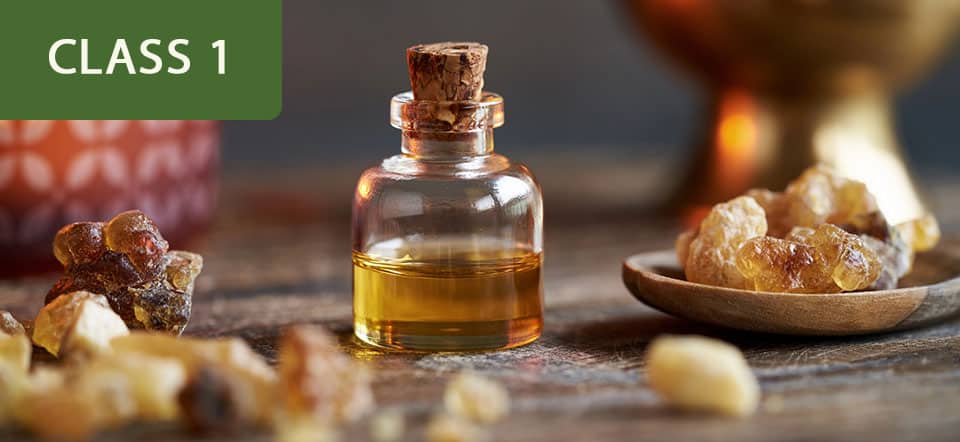
Sourcing the World's
Aromatic Treasures
Finding Exceptional Aromatics & Understanding Where They Come From
Learn how to find extraordinary materials, understand where they come from, & find suppliers you can trust.
This class is 80 mins
$65
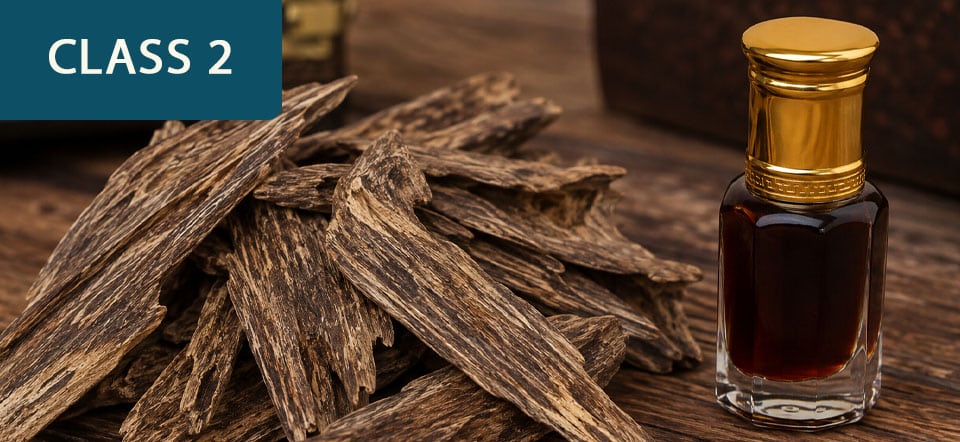
Understanding
Fine Aromatics
Quality, Discernment & Appreciating Natural Aromatic Materials
Develop your ability to evaluate, compare, & appreciate natural aromatics & what makes them truly exceptional.
This class is 80 mins
$65
Guardians of the
Aromatic Plants
Sustainability, Regeneration & the People Behind Our Aromatics
Explore sustainability, regeneration, & the people & ecosystems behind aromatics, & how to help protect their future.
This class is 70+ mins
$65
GET THE COMPLETE
3-PART SERIES
The Complete Aromatic Connoisseur Experience
SOURCE IT
Find exceptional aromatics & trustworthy sources.
KNOW IT
Develop discernment & understand what makes it exceptional.
PROTECT IT
Support the plants, people, & ecosystems behind aromatics.


30-Day Guarantee
I want you to feel completely confident joining me. Enroll, dive into the material, and see if it feels like the right fit for you. If within 30 days you decide it isn’t what you were hoping for, simply reach out and we’ll refund your enrollment in full.
The Aromatic World Gets Bigger the Closer You Look
Once you begin looking beyond the label, it's difficult to go back.
A piece of Frankincense is no longer simply Frankincense.
A piece of Sandalwood isn't simply Sandalwood.
You begin noticing the differences.
Asking better questions.
Recognizing quality you might once have overlooked—and questioning claims you might once have accepted without a second thought.
You begin understanding why one material costs $20 and another costs $200.
Why the cheapest source isn't always the best choice.
Why the most expensive isn't necessarily the best either.
And why knowing where something came from can completely change the way you feel about working with it.
There are thousands of aromatic plants growing throughout the world, each with its own ecology, aromatic character, relationship with the land, and journey into our hands.
The more we know about them and their story, the richer this world becomes.
And the more capable we become of making choices that support exceptional materials, responsible suppliers, the people behind them, and ultimately, the plants themselves.
That’s the heart of The Aromatic Connoisseur.
Choose the class that speaks to you, or experience the complete three-part journey.
One Class — $65
Complete Series — $165
Frequently Asked Questions:
Can I take just one class?
Absolutely. Each of the three classes stands on its own and can be purchased individually for $59. Or, you can get the complete three-part series for $139.
Do I need any previous experience with aromatics?
No. You don't need to be an herbalist, aromatherapist, incense maker, or aromatic professional. The series is designed for anyone who wants to deepen their knowledge of natural aromatic materials.
Is this series just for people with aromatic businesses?
Not at all. While business owners and product makers may find the sourcing information especially valuable, the series is equally relevant for herbalists, aromatherapists, incense and perfume enthusiasts, collectors, and anyone who purchases and works with natural aromatics.
Will this teach me where to purchase aromatic materials?
I'll teach you the methods I use to find exceptional aromatic materials, how to get closer to their original sources, what to look for in suppliers, and how to evaluate potential sources. I'll also share examples from my own sourcing experience throughout the series.
How long are the classes?
The classes are 80 mins long each, giving you around 4 hours of instruction if you take the complete series.
How long will I have access?
You’ll receive lifetime access, so you can watch the classes at your own pace and return to them whenever you'd like.
What is your refund policy?
You’re covered by a 30-day money-back guarantee. If the class or series isn’t the right fit, simply reach out within 30 days for a full refund.
Have A Question Or Concern?
We're more than happy to help you.
Send your questions to support@aromaticmedicineschool.com