Skip to content
The Northwest School of Aromatic Medicine
  • About
  • Courses
  • Resources
    • The Aromatic Medicine Blog
    • Video Library
  • Shop
  • Contact
  • Close Search Form
    Open Search Form
  • facebook
  • instagram
  • youtube
Student Login
Tag

traditions

Aromatherapy
Aromatic History & Lore
December 20, 20200Comments

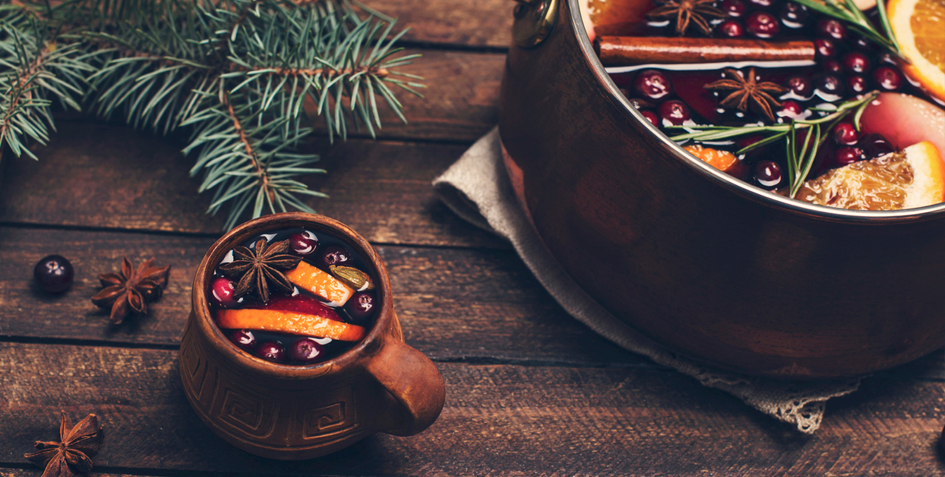
Holiday Smells: Aromatic Traditions from Winters Past

Fresh cut Pine and Spruce trees, Cedar boughs, pots of evergreen needles steaming on the wood stove. Aromas of Cinnamon and Clove rising from the oven. Orange peel and Star
by NW School of Aromatic Medicine
Bio-Regional Aromatic Medicine
Human/Plant Connection
July 23, 20200Comments

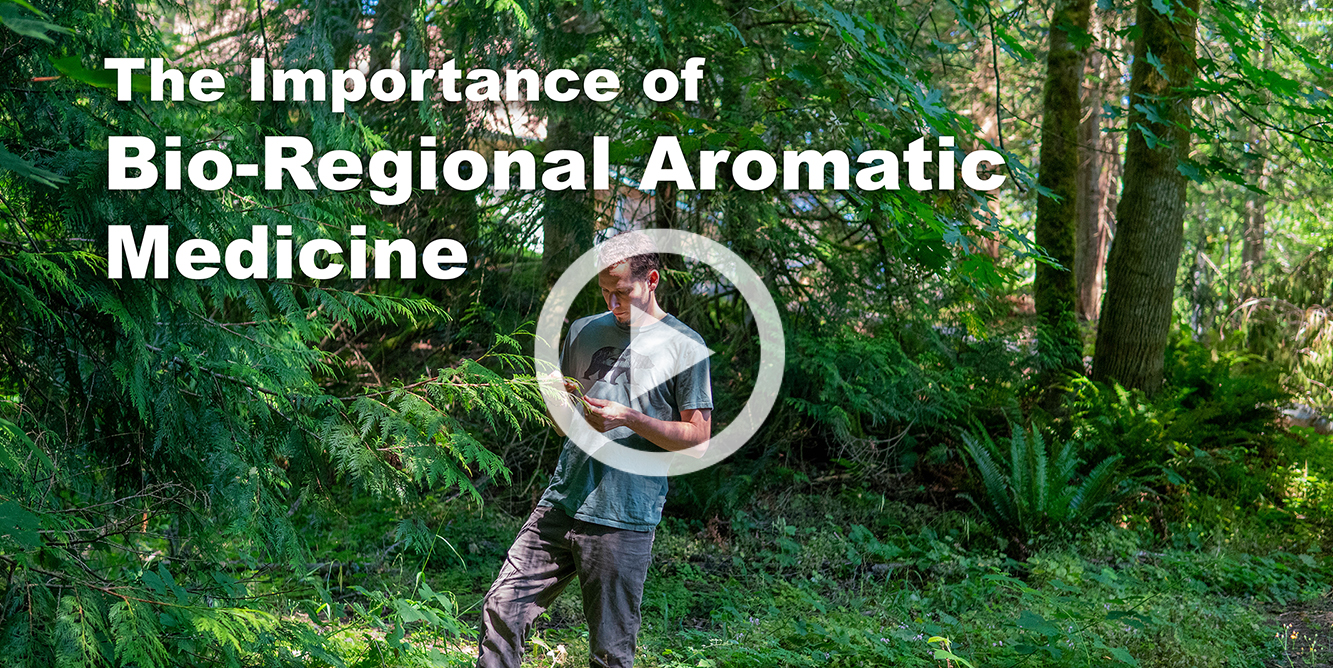
The Importance of Bio-regional Aromatic Medicine

So often today people rely on books and websites to learn information about plants and healing, which is totally fine. But when people limit themselves to these modes of learning,
by NW School of Aromatic Medicine

aromatic_medicine

🌿 Follow us on Instagram for daily inspiration, plant knowledge, aromatic wisdom, and one-of-a-kind courses 🌿

Blended fragrance is like music - there are many d Blended fragrance is like music - there are many different aromatic notes that make up an incense or perfume, just like there are many different musicians that make up a band.

When a musician plays alone, it’s beautiful, but when all of the musicians in a band play together in harmony, it’s purely magical.
The Pine tree is considered sacred in many culture The Pine tree is considered sacred in many cultures.

Pine trees are deeply revered and honored in Korean tradition. The trees are respected as wise entities and are sometimes worshiped as divine beings or spirits.

In China, Pine is considered a symbol of the New Year. 

Pine tree forests throughout Europe were the birthplace of many timeless fairytales and legends. 

Pine is found in countless stories of antiquity, from Greek and Roman tales of gods and goddesses, to Germanic and Nordic tales of dwarves, witches, elves, and werewolves. 

It was even the tree in which the wizard Merlin climbed, never to return to the world of Men. 

To many Native Americans and First Nations peoples, Pine has been an important tree resembling wisdom and longevity for ages.

Celtic and Northern European peoples believed Pine to protect them from harmful, negative energies and influences. 

Pine has long been used as incense in many cultures to promote courage, strength, protection, and prosperous health.

I share more about these ancient stories and traditions of Pine, from near and far, in our blog, The Medicine & Magic of Pine. 

Read more here: https://aromaticmedicineschool.com/the-medicine-magic-of-pine/
It’s harvest season! Want to make your herb stash It’s harvest season! Want to make your herb stash last longer? 

Our top tips for drying and storing herbs:

Harvest at the right time: Harvest only when you have the time and energy to fully process your herbs. It’s best to go straight from harvest to drying – if you have to store the plant material in the fridge for a bit, you might lose aromatics, damage the plant material, or even lose your whole harvest to mold.

Air-drying: Tie small bunches of herbs together with twine and hang them upside down in a cool, well-ventilated area away from direct sunlight. Alternatively, you can leave a small bunch of herbs in a brown paper bag in a cool, dry place and shake the bag every couple of days to reduce the risk of mold. Either way, make sure there is enough airflow and the herbs aren’t packed in too tight.

Dehydrator magic: If you have one, a dehydrator works wonders! Just be sure to put it on the lowest setting – heat causes volatile oils to evaporate, which means you will lose precious aromatics if the heat is too high.

Test for dryness: When the leaves crumble at the touch, they're ready. If the branches bend but don’t snap, they need more time. To preserve the flavor, aroma, and potency, keep the leaves whole until you're ready to use them.

Storage: Store dried herbs in airtight glass jars in a cool, dark place. Label them with the name and harvest date for easy identification. 

By following these steps, you'll have an amazing herbal apothecary that will last you all winter long.
“One thing I’ve learned in the woods is that there “One thing I’ve learned in the woods is that there is no such thing as random. Everything is steeped in meaning, colored by relationships, one thing with another.”

― Robin Wall Kimmerer, Braiding Sweetgrass: Indigenous Wisdom, Scientific Knowledge and the Teachings of Plants
Essential oils are a wonderful addition to your ho Essential oils are a wonderful addition to your holistic wellness journey, but it's crucial to use them safely to enjoy their benefits fully. 

Here are some essential oil safety tips to keep in mind:

Dilution is key: Always dilute essential oils with a carrier oil, like jojoba or coconut oil, before applying them to your skin. Skipping this step can cause sensitization, an allergic immune response to an essential oil on the skin that can cause irritation, redness, rash, or even blistering. 

Patch test: Before using a new essential oil, do a patch test on a small area of your skin to check for any adverse reactions or allergies.

Avoid sensitive areas: Keep essential oils away from your eyes, ears, etc. 

Photosensitivity: Some oils, like Citrus, can make your skin more sensitive to the sun. Avoid sun exposure for 12-24 hours after using these oils topically.

Quality matters: Use high-quality, pure essential oils from reputable sources. Read the label to make sure you are buying a pure essential oil and not a synthetic one. Avoid products that only list “fragrance” or “perfume” instead of a full ingredient list.

Less is more: A little goes a long way with essential oils. Start with a small amount and increase if needed.

Storage: Store essential oils in dark glass bottles in a cool, dark place, out of reach of children and pets. Many essential oils will last about 2-5 years if stored properly; some oils like Patchouli, Sandalwood, and Vetiver can last 6-8 years.

Pet safety: Dogs and cats have different sensitivities when it comes to essential oils. Keep this in mind when using an essential oil diffuser.

Consult an expert: Especially if you're pregnant, nursing, have a medical condition, or are on medication.

Remember, essential oils are potent plant extracts with incredible benefits, but they should be used thoughtfully and responsibly. 

For more detailed information, we have several blog posts on our website that focus on this topic: Essential Oil Safety Guide, Essential Oils and Pets, and Proper Essential Oil Dilution Chart & Guide.

You can search for them at aromaticmedicineschool.com/blog

---
 #essentialoils  #essentialoilsafetytips
As herbalists, aromatherapists, and lovers of arom As herbalists, aromatherapists, and lovers of aromatic plants, our relationship with the plant world is reciprocal.

We tend the plants, and in return, they tend us.

Part of walking an ethical, plant-centered path is knowing when to slow down, use less, and choose with greater care.

🌿 Aromatic plants on our “take care” list 🌿

These species face sustainability pressures due to overharvesting, habitat loss, or fragile ecosystems. They deserve reverence, restraint, and thoughtful sourcing:

Rosewood (Aniba rosaeodora)
Agarwood (Aquilaria malaccensis)
Frankincense (Boswellia carterii from Somalia)
Palo Santo (Bulnesia Sarmientoi)
Atlas Cedarwood (​​Cedrus atlantica)
Spikenard (Nardostachys jatamansi)
Sassafras (Ocotea pretiosa)
African Sandalwood (Osyris lanceolata)
White Sage (Salvia apiana)
Sandalwood (Santalum album, S paniculatum)

✨ Our guiding principle:

When the source isn’t clear, we slow down and pause before proceeding. When a supply feels questionable, we seek out thoughtful alternatives. And when a plant is known to be vulnerable, we allow respect and relationship to guide our choices, always placing care for the plant before our desire to use it.

Sustainability isn’t just about what we use—it’s about how and why we use it.

May our aromatic practices be rooted in care, relationship, and responsibility. 🌎

---
 #sustainability #plantsteward #plantstewardship #sustainablesourcing
🌿 Where do you source your herbs and aromatic plan 🌿 Where do you source your herbs and aromatic plants? Drop your location + recommendations below! 👇

Some of the most powerful plant allies don’t have to come from exotic locations halfway around the world… there are plenty being lovingly grown right in our own communities. 🌱

Local, small-scale herb farmers are helping preserve traditional plant knowledge while making high-quality, sustainably grown herbs more accessible.

Know an herbal farm near you that deserves more recognition? Tag them below. 

Let's build a map of where to find powerful plant medicine closest to home.

👇 Share your location + any farms/growers you love.
3 reasons to use non-combustible, low-smoke method 3 reasons to use non-combustible, low-smoke methods to burn incense:

🔥 Provides a slower burn that maintains the integrity of the incense
🔥 Helps lessen the charred aroma that often accompanies combustible methods
🔥 Self-lighting charcoal often contains chemicals that can be a health hazard

Discover the 3 virtually smokeless ways to enjoy incense in our blog. Link in bio ✨

---
 #smokelessincense #smokelessincenseburner #burningincense #incensecharcoal
Follow on Instagram

OFFERINGS

  • Aromatic Medicine Garden Monthly Membership
  • Incense Crafting Course
  • Botanical Resins & Gums Course
  • Materia Aromatica Ebook

QUICK LINKS

  • About
  • Courses
  • The Aromatic Medicine Blog
  • The School
  • Evan Sylliaasen
  • Contact
  • Privacy Policy
  • Terms & Conditions

FOLLOW US

  • Facebook
  • Instagram
  • Youtube

OUR NEWSLETTER

Stay in the know on new releases and special offers

Loading

support@aromaticmedicineschool.com

© 2026 The Northwest School of Aromatic Medicine, All rights reserved.