Skip to content
The Northwest School of Aromatic Medicine
  • About
  • Courses
  • Resources
    • The Aromatic Medicine Blog
    • Video Library
  • Shop
  • Contact
  • Close Search Form
    Open Search Form
  • facebook
  • instagram
  • youtube
Student Login
Category

Aromatic History & Lore

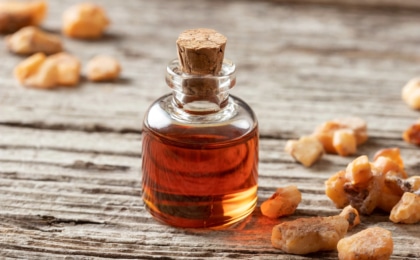
glass cork bottle of benzoin oil next to benzoin resin on a counter
Aromatherapy
Aromatic History & Lore
Incense as Medicine
Incense Crafting
Natural Perfumery
Plant Profiles
Ritual
August 13, 20250Comments

Why Benzoin Resin Belongs in Your Apothecary: Benefits & Ritual Uses

Imagine something that looks like a beautiful golden rock, but upon closer inspection, you're greeted with sweet, balsamic, resinous notes, with hints of vanilla that feel like a warm embrace.
by NW School of Aromatic Medicine
Aromatic History & Lore
Natural Perfumery
Ritual
June 30, 20250Comments

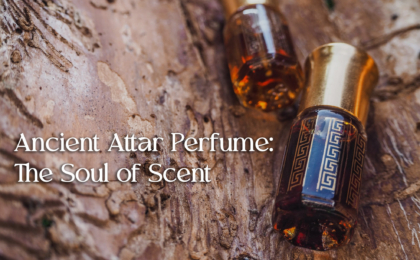
Attar Perfume: The Soul of Scent

Picture this: You open a small glass perfume vial and touch a drop of oil to your skin. The aroma doesn’t hit you all at once, it builds slowly, like
by NW School of Aromatic Medicine
Aromatherapy
Aromatic History & Lore
Herbal Medicine
Plant Profiles
April 25, 20250Comments

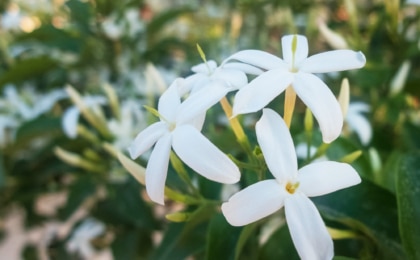
Jasmine Benefits for the Mind, Body, and Soul

The alluring aroma of Jasmine is more than just a scent – it’s an experience that lingers in the soul. Ethereal, intoxicating, and deeply evocative, Jasmine carries an almost sacred
by NW School of Aromatic Medicine
Aromatherapy
Aromatic History & Lore
Human/Plant Connection
Natural Perfumery
Ritual
March 13, 20250Comments

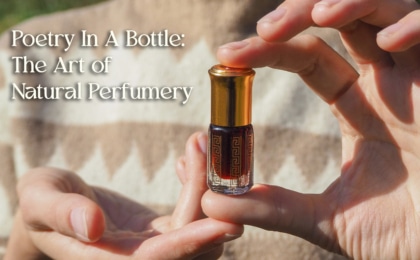
Poetry in a Bottle: The Art of Natural Perfumery

Natural perfumery is the art of the unseen, a symphony of botanicals and emotions, creating an aura that is uniquely yours. A great perfume is more than just a fragrance
by NW School of Aromatic Medicine
Aromatherapy
Aromatic History & Lore
Aromatic Recipes
Herbal Medicine
Incense as Medicine
Plant Profiles
Topical Medicine
February 20, 20250Comments

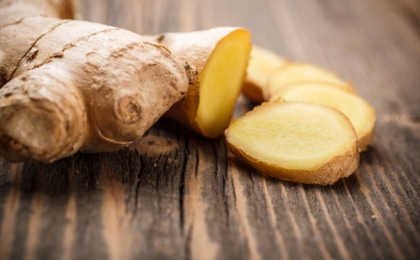
Ginger Root Benefits and Uses

Imagine walking through an ancient spice market, where the air is thick with the scent of exotic herbs and roots. Among the vibrant displays, one root stands out with its
by NW School of Aromatic Medicine
Aromatherapy
Aromatic History & Lore
Herbal Medicine
Incense as Medicine
Ritual
Topical Medicine
January 16, 20250Comments

Tree Resins: Unlock the Power of this Underappreciated Natural Remedy

There’s something very magical about tree resins. These golden, aromatic droplets are born from a tree’s natural healing process – a protective substance that seals wounds, guards against infection, and
by NW School of Aromatic Medicine
Aromatherapy
Aromatic History & Lore
Herbal Medicine
Human/Plant Connection
Incense as Medicine
Plant Profiles
Ritual
Sustainability
Topical Medicine
December 19, 20240Comments

The Power of Frankincense: Boosting Immunity and Overall Well-Being

Thousands of years ago, in ancient kingdoms, the air was thick with the rich, aromatic smoke of Frankincense. This sacred resin, harvested from Boswellia trees, played a central role in
by NW School of Aromatic Medicine
Aromatherapy
Aromatic History & Lore
Aromatic Recipes
Herbal Medicine
Plant Profiles
Topical Medicine
December 9, 20240Comments

The Many Benefits of Jasmine

If you’ve ever had the pleasure of smelling Jasmine, you know how captivating its scent is. Beyond its delightful fragrance and ornamental appeal, Jasmine offers a treasure trove of health
by NW School of Aromatic Medicine
Aromatherapy
Aromatic History & Lore
Aromatic Recipes
Bio-Regional Aromatic Medicine
Herbal Medicine
Human/Plant Connection
Plant Profiles
Sustainability
November 7, 20240Comments

Pine Needle Tea Benefits, Harvesting Tips & Recipe

In the bitter winter of 1536, deep in the wilds of North America, morale was low. The French explorer Jacques Cartier and his crew, weakened by months at sea, began
by NW School of Aromatic Medicine
Aromatherapy
Aromatic History & Lore
Aromatic Recipes
Human/Plant Connection
Incense as Medicine
Incense Crafting
Ritual
October 1, 20240Comments

Incense 101: Aromatic Medicine Beyond Incense Sticks

The scented swirls of incense smoke carry a profound story – the life cycle of each botanical ingredient, the journey from seedling to thriving herb, nurtured by the sun and
by NW School of Aromatic Medicine
« Older Articles Newer Articles »

aromatic_medicine

🌿 Follow us on Instagram for daily inspiration, plant knowledge, aromatic wisdom, and one-of-a-kind courses 🌿

Most of us were never actually taught how to smell Most of us were never actually taught how to smell.

We were taught what Lavender is for.

We learned the properties of Frankincense.

We memorized the constituents of essential oils, the uses of herbs, and the fragrance notes of perfumes.

But how much time have you spent actually training your nose to notice what's there?

The difference between sweet and balsamic, deep and resinous.

An aroma that reveals itself immediately... and one that continues unfolding the longer you sit with it.

I've found that the more you intentionally work with your sense of smell, the more the aromatic world starts opening up.

You begin noticing differences you simply couldn't perceive before.

And that's one of the things I'm most excited about with my new Aromatic Connoisseur Series.

Learning more information about aromatic plants is always good, but this is more about becoming better at actually experiencing them.

We'll be smelling, comparing, paying attention, and developing the sensory discernment that comes from spending real time with beautiful aromatic materials.
Because your nose can be trained.

And when it is, an entirely new layer of the aromatic world starts revealing itself.

🌿 The Aromatic Connoisseur Series is now open for enrollment.

Our first class airs this Friday.

→ Learn more + join us at the link in our bio

---
#Aromatherapy #EssentialOils #Perfumery #Botanicals #PlantMedicine 
#AromaticPlants #NaturalPerfumery #OlfactoryTraining #PlantWisdom
What does it mean to become an Aromatic Connoisseu What does it mean to become an Aromatic Connoisseur? 🌿

It means you don't simply want to USE beautiful aromatics.

You want to understand them.

You want to know where they come from, how to find extraordinary materials, and how to recognize a trustworthy source.

You want a nose that's been trained through experience—not one that needs a label or price tag to tell it what's exceptional.

You notice subtleties you once missed.

You become curious about species, origin, terroir, harvest, processing, age, and all the little details that give a natural aromatic its character.

You seek out the unusual. The remarkable. The beautifully made.

But you also remember that every aromatic treasure begins with a living plant.

So you care about the people who grow and harvest them.

You ask harder questions about sustainability.

And you make choices that help ensure these plants are still here for generations to come.

An Aromatic Connoisseur isn't someone who knows everything.

It's someone who has learned how to look closer. How to smell deeper. How to ask better questions.

Someone whose curiosity keeps growing alongside their knowledge.

Source with curiosity.

Know with discernment.

Protect with reverence. 🌿

That's the journey of The Aromatic Connoisseur Series. Click our bio link to learn more. 

#AromaticPlants #Aromatherapy #NaturalAromatics #Herbalism #NaturalPerfumery #Incense #BotanicalPerfumery #AromaticMedicine
SOURCE IT. → KNOW IT. → PROTECT IT. 🌿 If you real SOURCE IT. → KNOW IT. → PROTECT IT. 🌿

If you really want to understand the aromatic plants and materials you work with, I believe you need all three.

And that's the journey we're taking in the Aromatic Connoisseur Series.

🌎 CLASS 1 — SOURCE IT
 Sourcing the World's Aromatic Treasures

Where does that incredible Sandalwood actually come from? Who harvested that Frankincense?

How do you find the small growers, distillers, harvesters, and suppliers carrying extraordinary materials you'll never find through the obvious sources?

We're going behind the label to learn how to find exceptional aromatics, understand their origins, ask better questions, spot red flags, and find sources you can trust.

👃 CLASS 2 — KNOW IT
 Understanding Fine Aromatics

Finding it is one thing. Knowing what you're smelling is another.

Why can two specimens of the same plant smell worlds apart? How do terroir, age, processing, and storage affect aroma? What makes an aromatic complex and alive?
This class is about developing discernment—smelling, comparing, evaluating, and learning to recognize exceptional natural aromatics for yourself.

🌱 CLASS 3 — PROTECT IT
 Guardians of the Aromatic Plants

Some of the plants we treasure most are also under tremendous pressure: Sandalwood, Agarwood, Frankincense, Rosewood, Spikenard, and others.

Every aromatic begins with a living plant, an ecosystem, and often a person or community whose hands helped bring it to us.

We'll explore sustainability, regeneration, wild vs. cultivated materials, harvesting impacts, threatened plants, fair compensation, greenwashing, and the choices we can make to help protect these plants for generations to come.

Source it. Know it. Protect it.

That's what it means to me to become an Aromatic Connoisseur.

Not simply someone who owns beautiful aromatics...

 But someone who understands them.

🌿 The 3-part Aromatic Connoisseur Series is now open for enrollment.

Take each class individually or join me for the complete journey.

→ Explore all 3 classes + join us at the link in our bio.

---
 #aromatics #aromaconnoisseur #naturalperfumery #essentialoils #medicinemaking #aromaticherbs
Two bottles can have the exact same botanical name Two bottles can have the exact same botanical name on the label—and one can be extraordinary while the other is completely underwhelming.

Same thing with two pieces of Sandalwood. Two batches of Frankincense. Two Vetiver roots.

So what makes the difference?

And more importantly...

How do you learn to recognize a truly exceptional aromatic when you encounter one?

Today I'm excited to officially begin something new:

🌿 The Aromatic Connoisseur Series 🌿

Over the coming weeks, we'll venture deeper into the aromatic arts, developing our noses, exploring quality and sourcing, discovering the important nuances behind aromatic materials, and learning some of the finer details that can completely change the way we experience and understand natural aromatics.

Our first class airs this Friday, where we'll begin with a question I've thought about a LOT throughout my 15 years of sourcing aromatic materials from around the world:

Why are some aromatic materials so much better than others?

There's a lot more to the answer than the name printed on the package.

If you're an herbalist, aromatherapist, incense crafter, natural perfumer, or simply someone who wants to develop a deeper understanding and appreciation of the aromatic world, I'd love to have you join me.

🌿 The Aromatic Connoisseur Series is now open for enrollment.

→ See what's inside + join us at the link in our bio

Our first class goes live this Friday!

---
 #aromaconnoisseur #aromatics #herbalism #aromatherapist
After more than 15 years working deeply with aroma After more than 15 years working deeply with aromatic plants, something unexpected has happened...

Instead of this world becoming more familiar, it's become more fascinating.

I've spent years making medicine with aromatic plants, crafting incense, studying perfumery, sourcing materials from around the world, growing and wildcrafting herbs, teaching, and simply experiencing thousands of different aromatics.

And the deeper I've gone, the more I've discovered just how many layers there are 
to explore.

There's always another layer.

Why can two Sandalwoods bearing the same botanical name smell completely 
different?

What actually separates an exceptional aromatic from an average one?

How do you train your nose to notice things you might have completely missed 
before?

How can you tell if you're actually buying something of high quality, and where did 
that aromatic come from in the first place?

These are the kinds of questions I've become increasingly fascinated with over the 
years.

So starting tomorrow, I'm going to be sharing a new series that ventures deeper 
into this side of the aromatic arts.

We'll explore quality, sourcing, sensory development, rare and unusual aromatics, 
the plants and places behind the materials, and some of the finer details you only 
begin noticing when you spend enough time smelling, comparing, and paying closer attention.

Keep an eye out tomorrow for this brand new offering of knowledge..

But first, I'd love to know:

What's one thing about aromatic plants you've always wanted to understand more deeply? 🌿

#AromaticPlants #Aromatherapy #Herbalism #NaturalPerfumery #Incense #BotanicalPerfumery #PlantMedicine #MedicinalPlants #EssentialOils #NaturalAromatics #AromaticMedicine #HerbalMedicine #Wildcrafting #Botanicals #Sandalwood
Do you have a certain aroma that brings you back t Do you have a certain aroma that brings you back to a moment in time, or to a place? Or maybe a specific smell that stirs up emotions? 

For me, the sweet, earthy smell of the forest in Spring always gives me a sense of peace and grounding, almost like a hug from someone special. Whenever I’m feeling stressed or upset, a nature walk usually does the trick. 

What about you? What’s your aromatic go-to when you need support?

---

 #aroma #aromaticmedicine #aromaticmemory #olfaction
Have you ever purchased an aromatic material you w Have you ever purchased an aromatic material you were incredibly excited about, only to open the package and feel a little… underwhelmed? 

Maybe it was a Sandalwood that smelled faint and flat compared to another you'd worked with before, or a Frankincense that lacked the bright, complex aroma you remembered. 

Perhaps it was an essential oil that smelled perfectly pleasant, but somehow didn't have the same depth or vitality as another bottle bearing the exact same botanical name.

Then, every once in a while, the opposite happens. You open a package, take that first smell, and immediately know you've found something special.

I've experienced both sides of this more times than I can count. Over the past 15+ years, I've sourced hundreds of aromatic materials from around the world for medicine making, incense crafting, formulation, teaching, my own personal collection, and for my company @highermindincense

Some of those materials have been so extraordinary that I can still remember the first time I smelled them, while others have taught me just as much by showing me what isn't exceptional.

After spending so many years searching for beautiful natural aromatics, I've learned that there's usually much more behind their quality than we realize.

So what makes an aromatic truly exceptional? ✨

We explore this question and the fascinating world of natural variation, terroir, quality, and discernment in our new blog post.

🌿 Link in bio. 

_____________
#aromatics #aromaticplants #aromaticoils #essentialoil #essentialoils #aromatherapy #naturalperfume #naturalincense
We live in a world that has trained us to expect c We live in a world that has trained us to expect consistency. If you purchase the same product twice, you expect it to look, taste, smell, and perform exactly the same way.

But nature doesn’t work that way. 🌱

Wine lovers have a beautiful word for this: terroir.

The term refers to the environmental conditions that help give the grapes grown in a particular place their unique character. Soil, climate, rainfall, elevation, sunlight, the moon and stars, temperature, and countless other factors can all influence the plant growing there.

This is why serious wine enthusiasts don't simply want to know which variety of grape they're drinking; they want to know where those grapes were grown, sometimes down to the particular vineyard and year they were harvested!

A similar idea can be applied to aromatic plants. Think about Lavender growing beneath the intense Mediterranean sun compared with Lavender growing in the cooler, wetter climate of the Pacific Northwest. 

Or a Frankincense tree clinging to a dry mountainside in Oman compared with another Boswellia species growing within a completely different landscape in the Horn of Africa.

These plants aren't growing in laboratories under identical conditions. They're constantly responding and adapting to the world around them, and some of those differences eventually find their way into the aromatic materials we smell.

So when two aromatics with the same botanical name smell completely different, that isn’t necessarily a flaw. It may be part of what makes natural aromatics so extraordinary. ✨

We explore this idea of natural variation (and the many nuances of aromatics) in our new blog post: What Makes an Aromatic Truly Exceptional?

🌿 Read the full blog at the link in our bio. 

_____________
#aroma #aromatics #aromaticplants #aromaticherbs #aromaticspices #aromatherapy #aromaticmedicine
Follow on Instagram

OFFERINGS

  • Aromatic Medicine Garden Monthly Membership
  • Incense Crafting Course
  • Botanical Resins & Gums Course
  • Materia Aromatica Ebook

QUICK LINKS

  • About
  • Courses
  • The Aromatic Medicine Blog
  • The School
  • Evan Sylliaasen
  • Contact
  • Privacy Policy
  • Terms & Conditions

FOLLOW US

  • Facebook
  • Instagram
  • Youtube

OUR NEWSLETTER

Stay in the know on new releases and special offers

Loading

support@aromaticmedicineschool.com

© 2026 The Northwest School of Aromatic Medicine, All rights reserved.