Skip to content
The Northwest School of Aromatic Medicine
  • About
  • Courses
  • Resources
    • The Aromatic Medicine Blog
    • Video Library
  • Shop
  • Contact
  • Close Search Form
    Open Search Form
  • facebook
  • instagram
  • youtube
Student Login
Category

Incense as Medicine

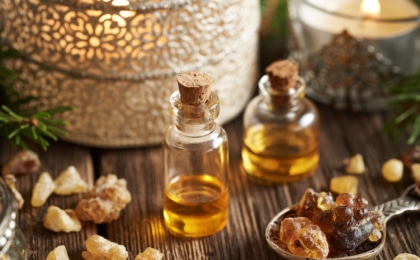
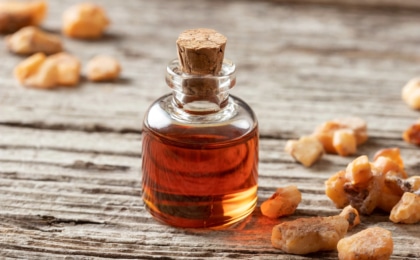
Bottles of essential oil with frankincense resin and candles
Aromatherapy
Incense as Medicine
April 10, 20250Comments

Aromatherapy for Stress Relief & Relaxation

Turn on the news, scroll through social media, or simply glance at your to-do list, and it’s clear – stress has become an unavoidable part of modern life. From the
by NW School of Aromatic Medicine
Aromatherapy
Aromatic History & Lore
Aromatic Recipes
Herbal Medicine
Incense as Medicine
Plant Profiles
Topical Medicine
February 20, 20250Comments

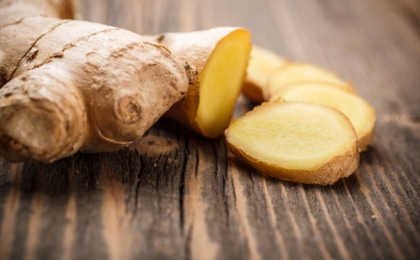
Ginger Root Benefits and Uses

Imagine walking through an ancient spice market, where the air is thick with the scent of exotic herbs and roots. Among the vibrant displays, one root stands out with its
by NW School of Aromatic Medicine
Aromatherapy
Aromatic Recipes
Incense as Medicine
Topical Medicine
February 11, 20250Comments

Aromatherapy Blends for Respiratory Health

It starts with a tickle in your throat, then a stuffy nose. Before you know it, you’re wrapped in blankets, battling congestion that makes it hard to breathe. Whether it’s
by NW School of Aromatic Medicine
Aromatherapy
Aromatic History & Lore
Herbal Medicine
Incense as Medicine
Ritual
Topical Medicine
January 16, 20250Comments

Tree Resins: Unlock the Power of this Underappreciated Natural Remedy

There’s something very magical about tree resins. These golden, aromatic droplets are born from a tree’s natural healing process – a protective substance that seals wounds, guards against infection, and
by NW School of Aromatic Medicine
Aromatherapy
Bio-Regional Aromatic Medicine
Herbal Medicine
Incense as Medicine
Plant Profiles
Sustainability
Topical Medicine
January 9, 20250Comments

The Benefits of Pine Resin & How to Harvest It

I will never forget meeting my friend Sam (name changed to spare them any embarrassment), a budding herbalist radiating excitement and curiosity about the wonders of the natural world. One
by NW School of Aromatic Medicine
Aromatherapy
Aromatic History & Lore
Herbal Medicine
Human/Plant Connection
Incense as Medicine
Plant Profiles
Ritual
Sustainability
Topical Medicine
December 19, 20240Comments

The Power of Frankincense: Boosting Immunity and Overall Well-Being

Thousands of years ago, in ancient kingdoms, the air was thick with the rich, aromatic smoke of Frankincense. This sacred resin, harvested from Boswellia trees, played a central role in
by NW School of Aromatic Medicine
Aromatherapy
Aromatic History & Lore
Aromatic Recipes
Human/Plant Connection
Incense as Medicine
Incense Crafting
Ritual
October 1, 20240Comments

Incense 101: Aromatic Medicine Beyond Incense Sticks

The scented swirls of incense smoke carry a profound story – the life cycle of each botanical ingredient, the journey from seedling to thriving herb, nurtured by the sun and
by NW School of Aromatic Medicine
Aromatherapy
Human/Plant Connection
Incense as Medicine
Plant Profiles
Ritual
September 25, 20241Comments

Aromatic Plants for Improving Indoor Air Quality

In a world where we often retreat to the comfort of our homes, the indoor air we breathe has never been more crucial to our health. Did you know that
by NW School of Aromatic Medicine
Eucalyptus Benefits for Sinus Congestion and Allergies
Aromatherapy
Aromatic History & Lore
Herbal Medicine
Incense as Medicine
Plant Profiles
Topical Medicine
August 22, 20240Comments

Eucalyptus Benefits for Sinus Congestion and Allergies

It’s the middle of the night, and you’re tossing and turning in bed, unable to sleep because you can’t breathe through your nose. Whether it's due to a cold, seasonal
by NW School of Aromatic Medicine
Image of myrrh an aromatic resin
Aromatherapy
Aromatic History & Lore
Herbal Medicine
Incense as Medicine
Plant Profiles
Ritual
Topical Medicine
August 1, 20241Comments

Uncovering the Ancient Magic & Mystery of Myrrh

From the embalming rituals of ancient Egypt to the sacred altars of religious ceremonies, Myrrh has captivated the imagination and reverence of civilizations for millennia. This aromatic resin, derived from
by NW School of Aromatic Medicine
« Older Articles Newer Articles »

aromatic_medicine

🌿 Follow us on Instagram for daily inspiration, plant knowledge, aromatic wisdom, and one-of-a-kind courses 🌿

Did you know that essential oils should always be Did you know that essential oils should always be diluted before applying to your skin? 💧 Many people skip this step, which can lead to irritation, rashes, or even sensitization – a delayed allergic reaction that develops after repeated exposure.

Not sure how to dilute safely? We’ve got you covered! 

Our free Dilution Chart & Reference Guide breaks down exact ratios for everything from face and body care to herbal baths and first-aid use.

✨ Comment “DILUTION” below, and we’ll send the guide straight to your DMs!

Here’s to safe, happy, and effective essential oil use! 🌿

___________
#essentialoil  #essentialoilsafety  #essentialoildilution  #essentialoiltips #essentialoiltipsandtricks  #essentialoiluses #aromatherapy
Ginger (Zingiber officinale) is a tropical perenni Ginger (Zingiber officinale) is a tropical perennial from the same botanical family as Turmeric and Cardamom. And here’s a fun fact: what we all know as Ginger root isn’t actually a root at all – it’s a rhizome (a horizontal underground stem that sends up new shoots and spreads the plant outward). 🌱

Even more fascinating? Culinary Ginger is considered a cultigen, meaning it exists only through its thousands of years of human cultivation. This species doesn’t grow wild anywhere in the world, though its cousin, Wild Ginger, does. 

The plant reaches about 3-4 feet tall with glossy, lance-shaped leaves, and its rhizomes are harvested once the foliage yellows and dies back (about 8-10 months after planting). From there, Ginger can be used fresh or is transformed into dried slices, powder, preserves, or essential oil.

This classic aromatic spice has been used for thousands of years across cultures – there’s evidence of it being used in China and India over 2,000 years ago! 

Ginger is one of the only herbal remedies seen in the main 4 ancient traditional medicine systems: Chinese, Ayurvedic, Unani Tibb, and Greek. All 4 systems recognize Ginger as a warming herb traditionally used to support cold conditions in the body. That kind of universal consensus is rare in herbal history.

🔥 Swipe through to explore the aromatic medicine of this fiery, fragrant spice.
In nature, energy moves downward in winter. Plants In nature, energy moves downward in winter. Plants instinctively know this isn't the time to grow outward – it's time to ground inward. 

Sap withdraws from branches and leaves and sinks into the roots. Plants release their leaves, cease their blooming, and focus entirely on conserving energy deep beneath the soil. 

Life concentrates itself underground, where warmth is steadier, nourishment is stored, and strength is sustained. The root becomes the plant's anchor and its storehouse through the cold months.

Animals follow this same wisdom: bears curl into dens, insects burrow into bark and soil, amphibians sink into mud, and countless species enter states of dormancy or hibernation, conserving their life force until the light returns.

As animals of Earth, we humans mirror this cycle too, whether we realize it or not. 

Winter invites us inward, into our homes, into our bodies, into our inner landscapes. It asks us to slow down, to root ourselves, and to nourish what sustains us beneath the surface. We are called to tend our inner fire and honor the ancient winter wisdom of rest and regeneration. 

And just as plants draw strength from their roots, we too can draw upon the medicine of aromatic roots to support us through winter’s depths.

Aromatic roots are uniquely suited for winter support: anchoring us when we feel scattered, strengthening us when we grow weary, and protecting us when our defenses run thin. They carry the plant's deepest intelligence – the part that knows not just how to survive, but how to thrive.

In our new article, we explore how specific aromatic roots can help you build warmth, resilience, and grounding through the winter months…

You’ll discover:

❄️ How to work with winter’s energetics instead of pushing against them
🌱 The top 5 aromatic roots for winter wellness and grounding
🔥 How to support your body and nervous system through the darkest months of the year

✨ Read “Aromatic Roots for Winter” by clicking the link in our bio.

___________
#herbalroots #plantroots #herbalwisdom #aromatherapy #energeticherbalism #energetics #aromaticmedicine
What aromatics do you call on for love? 💞🌸 We coul What aromatics do you call on for love? 💞🌸 We couldn’t choose just one, so here are 4 of our favorite heart-opening botanicals. 

🌹 Rose is the timeless emblem of love. In folklore, it has been used to attract and protect true love, opening the heart and softening emotional walls. Its aroma nurtures both romantic devotion and deep self-compassion.

💜 Lavender carries a calming magic. Traditionally associated with peace and reconciliation, its soothing scent relieves tension and restores harmony in relationships – including the one you have with yourself.

🌿 Jasmine is a popular aphrodisiac, long revered for awakening sensuality, intimacy, and joy. It can promote passion, creativity, and confidence in all parts of your life.

🕯️ Vanilla is a warm, grounding aromatic that has commonly been used to promote feelings of love and friendship.

Whether you’re cultivating deeper self-love or inviting more passion and connection into your life, these plants have long been allies in matters of the heart. ✨

Which one resonates with you today?

___________
 #valentinesdayscents  #heartopening  #selfloveisthebestlove #selfcare #aromaticmedicine #rose #lavender #jasmine #vanilla
You've likely heard yoga teachers or wellness prac You've likely heard yoga teachers or wellness practitioners speak of "grounding" – but what does this word truly mean? 

Energetically, grounding means bringing awareness, energy, and presence back into the body, into the moment, and into relationship with the Earth. It’s the opposite of dissociation, fragmentation, anxiety, or excessive mental activity. 

To understand grounding, let’s look to the roots of plants. Roots anchor plants into the earth, holding them steady against wind, rain, and the changing seasons. Without roots, a plant would topple or drift. 

Roots provide stability, connection, and a literal link to nourishment. 

Similarly, aromatic roots anchor us into our bodies and into the present moment. When we feel scattered, anxious, overwhelmed, or disconnected from ourselves, we become ungrounded – like a plant without roots, vulnerable to every passing storm. 

Grounding brings us back into balance, and working with aromatic roots helps restore this sense of rootedness. They remind us that we belong to the earth, we have a place here, and we can draw strength from the ground beneath our feet.

In our new blog article, we’ll:

🌿 Uncover why roots carry the deepest wisdom and resilience for winter
❄️ Journey into the energetics of winter through aromatic medicine
🔥 Learn about the top 5 aromatic roots that can help us stay warm, grounded, and vital all winter long

✨ Read “Aromatic Roots for Winter” by clicking the link in our bio.

_____________
#aromaticroots #herbalroots #winterherbs #herbalist #aromatherapist #energetics #angelicaroot
Winter is the season of rooting. 🌱 When the light Winter is the season of rooting. 🌱 When the light fades and the world grows cold and quiet, life doesn’t disappear – it moves underground. Into roots. Into reserves. Into what will carry us through.

In our newest blog, we explore why roots are winter’s most powerful plant allies, and how aromatic roots like Ginger, Vetiver, Angelica, and more support warmth, grounding, resilience, and emotional balance through the cold months.

If you’ve been feeling tired, scattered, heavy, or simply called inward… this one is for you.

❄️ Read “Aromatic Roots for Winter” by clicking the link in our bio.

_______________
#winteraromas #winterherbs #aromatherapy #herbalism #herbalroots #ginger #vetiver #angelica
How long do essential oils last? The answer depen How long do essential oils last?

The answer depends on how it’s made. Essential oils are produced in mainly 3 different ways: steam distillation, solvent extraction, and cold press distillation. 

Most essential oils are made using steam distillation, with an exception of Citrus oils which are primarily created using cold press distillation (also known as expression). In this process, mechanical pressure is used to rupture the volatile oil-containing glands in the plant material, then the resulting mixture is filtered to obtain just the essential oil. 

Absolutes are made using solvent extraction, where plant materials are submerged in a solvent such as ethanol, hexane, or carbon dioxide, to release their aroma, and then the solvent is removed, leaving behind the volatile oils.

Most steam-distilled essential oils generally have a shelf life of 3 years.

Citrus oils have the shortest shelf-life, about 2 years. 

And absolutes have a shelf-life of around 5 years.

There are a few plants that are an exception to this rule and actually get better with age – like a fine wine – such as Patchouli and Vetiver. The older these plant oils get, the more the aroma shifts and expands over time. 

To get the most out of your essential oils, always store them in amber-colored bottles and away from direct sunlight. The standard recommendation is to store the bottles in a cool, dark place like a cabinet or closet. Always keep the lids on to reduce oxidation. 

____________
#essentialoils #aromatherapy  #essentialoils101 #essentialoileducation  #absolutes  #co2extract #naturalperfumery
Chamomile has an energetic influence on our solar Chamomile has an energetic influence on our solar plexus – the complex network of nerves located in your stomach area. Lying halfway between the area where we get our “gut instinct” and the empathetic heart, the solar plexus represents the center of our psychological needs and wants. 

It’s an important part of your sympathetic nervous system, which controls your body’s “fight or flight” response to danger or stress. 

Chamomile has an affinity for soothing nervous tension and anxiety felt in the solar plexus, particularly in times when our emotional needs and wants feel intensified or unmet. This can come out in many ways, such as actions of overbearing, over-controlling, self-criticism, irritability, frustration, depression, or resentment. 

Chamomile is the plant of calm composure and easy embrace. Chamomile can help us let go of fixed expectations, calmly see and acknowledge our limitations, and open up to receive the support that others have to give. 

Just as the flower resembles the sun, it inspires a more sunny disposition inside our emotional and mental realms. 

______________
#chamomile  #chamomileoil #chamomilebenefits  #chamomiletea #ChamomileCalm #aromatherapy #aromaticmedicine
Follow on Instagram

OFFERINGS

  • Aromatic Medicine Garden Membership
  • Incense Crafting Course
  • Botanical Resins & Gums Course
  • Materia Aromatica Ebook

QUICK LINKS

  • About
  • Courses
  • The Aromatic Medicine Blog
  • The School
  • Evan Sylliaasen
  • Contact
  • Privacy Policy
  • Terms & Conditions

FOLLOW US

  • Facebook
  • Instagram
  • Youtube

OUR NEWSLETTER

Stay in the know on new releases and special offers

Loading

support@aromaticmedicineschool.com

© 2026 The Northwest School of Aromatic Medicine, All rights reserved.