Skip to content
The Northwest School of Aromatic Medicine
  • About
  • Courses
  • Resources
    • The Aromatic Medicine Blog
    • Video Library
  • Shop
  • Contact
  • Close Search Form
    Open Search Form
  • facebook
  • instagram
  • youtube
Student Login
Tag

aromatherapy

Aromatherapy
Incense as Medicine
March 14, 20230Comments

Addressing Stress & Anxiety with Aromatic Medicine & Mindfulness

You can’t treat plants like pills. Too often, aromatherapy is used as a quick fix for our problems, when it doesn’t really work that way. If you have a headache,
by NW School of Aromatic Medicine
Aromatherapy
Aromatic History & Lore
Aromatic Recipes
Bio-Regional Aromatic Medicine
Incense as Medicine
Plant Profiles
Topical Medicine
December 21, 20229Comments

The Magic and Medicine of Douglas Fir

With autumn behind us, many plants have shed their leaves in preparation for winter and wild-harvesting opportunities can feel sparse. But there is one particular type of plant you can
by NW School of Aromatic Medicine
Aromatherapy
Incense as Medicine
December 9, 20229Comments

Aromatic Plants for Colds and Flu

‘Tis the season – of cold and flu. Now more than ever is a great time to focus on strengthening your immune system. As you may already know, winter tends
by NW School of Aromatic Medicine
Aromatherapy
Sustainability
November 29, 20228Comments

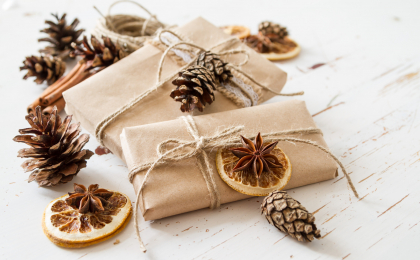
Herbal-Minded Holiday Gift Guide

The holiday season has arrived, and this is often a time when we think of giving something special to those we love and care for. However, the idea of picking
by NW School of Aromatic Medicine
Aromatherapy
Aromatic History & Lore
Plant Profiles
November 15, 20227Comments

The Benefits of Clary Sage

Clary Sage has been revered for ages for its ability to both nourish and uplift, on a physical, mental, and emotional level. This majestic plant has lovely heart-shaped leaves and
by NW School of Aromatic Medicine
Aromatherapy
Aromatic History & Lore
Incense as Medicine
August 25, 20229Comments

10 Aromatic Plants for Overcoming Anxiety

The world can feel overwhelming at times. There are so many herbs that can help ease anxiety, it’s almost as if the plants know how chaotic life can feel and
by NW School of Aromatic Medicine
Aromatherapy
Aromatic Recipes
Topical Medicine
Uncategorized
August 9, 20225Comments

Aromatic Plants for Bug Repellent

Summer is one of my favorite times of year – the wild plants are thriving and the weather is perfect for being immersed in nature. Camping, hiking, swimming, lounging by
by NW School of Aromatic Medicine
Aromatherapy
Ayurveda
Incense as Medicine
Topical Medicine
August 2, 20228Comments

8 Must-Know Herbs for First Aid

Herbal plants have many gifts to offer, and aromatic plants offer far more than just a beautiful scent. In fact, there are many powerful aromatic herbs and resins that have
by NW School of Aromatic Medicine
Aromatherapy
Aromatic History & Lore
Aromatic Recipes
Plant Profiles
July 11, 20227Comments

The Many Benefits of Lemon Balm

If you have ever had the luxury of smelling fresh Lemon Balm, you know how refreshing it can be. A blend of sweet, Citrus, and Mint, all in one inhale
by NW School of Aromatic Medicine
Aromatherapy
Ayurveda
Human/Plant Connection
June 2, 20225Comments

Energetics in Plants and People

Have you ever wondered why exactly it is, that an aromatic remedy may work great for you, but not for your neighbor?This is because every person is incredibly unique, and
by NW School of Aromatic Medicine
« Older Articles Newer Articles »

aromatic_medicine

🌿 Follow us on Instagram for daily inspiration, plant knowledge, aromatic wisdom, and one-of-a-kind courses 🌿

SAME PLANT. DIFFERENT PREPARATIONS. DIFFERENT PURP SAME PLANT. DIFFERENT PREPARATIONS. DIFFERENT PURPOSES. 🌿

Take lavender, for example.

Most people know lavender for its beautiful aroma and calming qualities. But depending on how you prepare it, you can work with this plant in very different ways.

🌿 Lavender-infused oil: Massage into tired muscles, use in body care, or turn into a soothing herbal salve.

🌿 Lavender tincture: Traditionally used to help ease nervous tension, mild stress, and restlessness.

🌿 Lavender hydrosol: A gentle aromatic water that can be used as a refreshing facial mist or incorporated into skincare preparations.

Three preparations from the same plant, each extracting and delivering different constituents in different ways.

And that's one of the most important things to understand about herbal medicine-making.

It's not just about knowing which plants to use. It's about knowing how to prepare them, and why.

When you understand the principles behind different extraction methods, you're no longer limited to following recipes. You can start making informed decisions about which preparations best suit your needs.

This is exactly what we're teaching inside The Art of Aromatic Preparations Course, with clinical herbalist and aromatherapist Erika Galentin.

Across seven hands-on video lessons, you'll learn to make herbal oils, salves, tinctures, hydrosols, teas, herbal honeys, and more, using accessible tools and ingredients.

Enrollment is currently $50 off through November 17.

Explore the course through the link in our bio!

#AromaticMedicine #Herbalism #HerbalMedicine #HerbalPreparations #Lavender #HerbalEducation #Aromatherapy #HerbalApothecary #MedicinalPlants #PlantMedicine
🌿 THE ART OF AROMATIC PREPARATIONS COURSE — ENROLL 🌿 THE ART OF AROMATIC PREPARATIONS COURSE — ENROLLMENT IS OPEN!

Our online course is now available at a special price for one week!

Join clinical herbalist and aromatherapist Erika Galentin as she guides you through the traditional art of making herbal preparations, from infused oils and salves to tinctures, hydrosols, herbal honeys, and more.

Through 7 in-depth video lessons, you'll learn how to create 6 foundational types of herbal preparations, using simple ingredients and equipment you may already have in your kitchen.

But this course goes beyond simply following recipes.

You'll learn the methods behind each preparation, how different techniques extract different plant constituents, how to choose the right preparation for the plants you're working with, and nearly 2 decades of expert tips and tricks.

Whether you're an aromatherapist looking to expand beyond essential oils, an herbal enthusiast building your home apothecary, or someone who wants to make beautiful botanical products and handmade gifts, these are skills you can return to for years.

🌿 SPECIAL ENROLLMENT OFFER

For the next 8 days, we're taking $50 off tuition!

Regular price: $197
Your price: $147

And for the first time ever, we're offering a payment plan of 2 payments of $77!

Ends November 17.

👉 Visit the link in our bio to explore the course and enroll!

#AromaticMedicine #HerbalMedicineMaking #Herbalism #Aromatherapy  #HerbalRemedies #HerbalEducation #HerbalMedicine
How many different ways can you work with a single How many different ways can you work with a single plant? 🌿

Take Chamomile, for example.

You could steep the flowers into a fragrant herbal tea, infuse them into oil for skincare, turn that oil into a soothing salve, make an herbal tincture, prepare a honey extract, or even distill a delicate aromatic hydrosol.

Six different preparations from one familiar plant. And each one offers something a little different.

This is one of the things I love about traditional aromatic medicine. Essential oils are only one part of the picture.

When we learn how to work with plants through different preparations, we begin to understand them in new ways. We discover different constituents, different applications, and new possibilities for bringing these plants into our everyday lives.

And you don't need a fancy laboratory or expensive equipment to get started. Many of these preparations can be made right in your own kitchen.

Tomorrow, we're sharing a special opportunity to learn six foundational types of herbal preparations through our Art of Aromatic Preparations Mini-Course, taught by Erika Galentin.

If you've been wanting to expand your herbal skills beyond essential oils, keep an eye out tomorrow! 🌿
Imagine walking into your garden, gathering a hand Imagine walking into your garden, gathering a handful of herbs, and turning them into something beautiful with your own hands. 🌿

A fragrant herbal oil. A soothing botanical salve. A jar of herb-infused honey. Or a bundle of aromatic herbs to dry and enjoy throughout the winter.

These are things you can make right in your own kitchen, often with plants you already have growing around you.

Rosemary, Lavender, Calendula, Chamomile, and so many others.

And if you don't have a garden, a visit to your local herb shop can be just as good a place to start.

For generations, people have gathered, dried, infused, and preserved plants to create useful preparations for their homes and families.

Somewhere along the way, many of us became more accustomed to buying these things than making them ourselves.

But the skills haven't disappeared.

You can still learn to make beautiful herbal preparations from simple ingredients, without an elaborate laboratory or a cabinet full of expensive equipment.

And once you learn how, an ordinary handful of herbs starts to look a little different.

The next time you're out in your garden, take another look at the plants growing around you. There's so much you can create with a handful of herbs, a few simple ingredients, and the knowledge of how to bring them together.

#Herbalism #AromaticMedicine #HerbalPreparations #HomeApothecary #HerbalEducation #MedicinalPlants #HerbalCrafting #BotanicalMedicine
Have you ever wondered where the aroma of Vetiver Have you ever wondered where the aroma of Vetiver comes from? 🌿

Vetiver is often referred to as the “Fragrance of the Soil” because of its earthy, woody scent profile.

This aromatic grass, native to India, possesses a distinctive aroma reminiscent of damp earth, roots, and freshly turned soil. Its fragrance is rich, smoky, slightly sweet, and deeply grounding.

The nickname “Fragrance of the Soil” captures Vetiver's unique aroma, which comes from the fragrant compounds found in its roots, growing deep beneath the earth.

Vetiver has an extensive root system, and the plants are often grown for erosion control and bioremediation.

When the roots are harvested for essential oil production, the grasses are traditionally repurposed by local communities, woven into cooling shades, roof thatching, window screens, blinds, and hand fans.

These fragrant shades are regularly doused with water, helping transform hot, scorching summer air into cool, moist, aromatic breezes.

Pretty incredible, isn't it?

Vetiver's earthy fragrance has also made it a prized ingredient in perfumery for centuries, where it adds depth, complexity, and a sense of connection to the natural world.

Its ability to evoke a sense of rootedness and stability has earned it a special place in the world of natural perfumery.

Swipe through to discover why Vetiver is so much more than a fragrance.

#Vetiver #VetiveriaZizanioides #ChrysopogonZizanioides #AromaticMedicine #NaturalPerfumery #BotanicalPerfumery #Herbalism #AromaticPlants #PlantEducation #SustainableBotanicals
NOT EVERY PLANT GIVES UP ITS MEDICINE THE SAME WAY NOT EVERY PLANT GIVES UP ITS MEDICINE THE SAME WAY. 🌿

You can take the exact same plant and prepare it three different ways, and end up with three very different herbal preparations.

A tea. A tincture. An infused oil.

Each preparation draws out different constituents from the plant, depending on their solubility, the solvent being used, and the method of extraction.

Some constituents dissolve readily in water. Others are better extracted with alcohol or oil. Some require heat, while others are sensitive to it.

And certain aromatic compounds can be lost during preparation if we're not paying attention.

This is why understanding how to prepare plants is just as important as knowing which plants to work with.

It's also why traditional herbalists developed so many different preparations over the centuries. They weren't simply making things in different forms for convenience.

They were learning how to work with the unique properties of each plant.

The preparation changes what you're working with.

This is a pretty important distinction when we're making herbal medicine.

What's your favorite way to prepare plants these days? Teas, tinctures, infused oils, salves, hydrosols, or something else?

#HerbalMedicine #Herbalism #PlantMedicine #HerbalPreparations #AromaticMedicine #TraditionalHerbalism
There are things we can only learn from the plants There are things we can only learn from the plants themselves.

Not from books or from classrooms, but from spending time with them. Observing, listening, and paying close attention.

Sometimes the greatest teacher is the one growing right outside your door. 🌿

#PlantWisdom #Herbalism #PlantConnection #AromaticMedicine #NatureAsTeacher
🌿 Why do some herbal infused oils go bad? You've 🌿 Why do some herbal infused oils go bad?

You've carefully selected your herbs, covered them with a beautiful carrier oil, and waited patiently for the infusion to finish.

But when you open the jar, something isn't quite right.

Maybe the oil smells rancid, there's unexpected cloudiness, or you've discovered signs of spoilage.

There are several reasons this can happen, and understanding them is an important part of making herbal preparations successfully.

1. Moisture: Fresh plant material contains water, which can create conditions favorable to microbial growth. This is especially important with oils intended for longer storage.

2. Oxidation: Some carrier oils are more susceptible to rancidity than others. Exposure to heat, light, and oxygen can accelerate the process.

3. Storage: Even a beautifully prepared oil can deteriorate when stored improperly.

And here's something that's good to remember: an oil can look and smell perfectly fine and still be unsafe if it was prepared or stored incorrectly.

That's why making different herbal preparations involves more than simply following a recipe. Understanding your ingredients, methods, and preservation considerations is important.

Fresh herbs do have their place in traditional oil preparations, but they require particular care and appropriate processing.

Save this for your next herbal oil infusion, and share it with someone who loves making their own botanical preparations.

#Herbalism #HerbalInfusedOil #HerbalPreparations #HomeApothecary #AromaticMedicine #HerbalEducation #HerbalCrafting
Follow on Instagram

OFFERINGS

  • Aromatic Medicine Garden Membership
  • Traditional Incense Crafting Course
  • Botanical Resins & Gums Course
  • The Natural Perfumery Course
  • All Courses & Offerings

QUICK LINKS

  • About
  • Courses
  • The Aromatic Medicine Blog
  • Become an Affiliate
  • Contact
  • Privacy Policy
  • Terms & Conditions

FOLLOW US

  • Facebook
  • Instagram
  • Youtube

OUR NEWSLETTER

Plant wisdom, aromatic inspiration, free lessons, and occasional special offers. Delivered to your inbox.

support@aromaticmedicineschool.com

© 2026 The Northwest School of Aromatic Medicine, All rights reserved.