Skip to content
The Northwest School of Aromatic Medicine
  • About
  • Courses
  • Resources
    • The Aromatic Medicine Blog
    • Video Library
  • Shop
  • Contact
  • Close Search Form
    Open Search Form
  • facebook
  • instagram
  • youtube
Student Login
Tag

sustainability

Aromatherapy
Aromatic History & Lore
Incense as Medicine
Plant Profiles
Ritual
Sustainability
Topical Medicine
June 20, 20241Comments

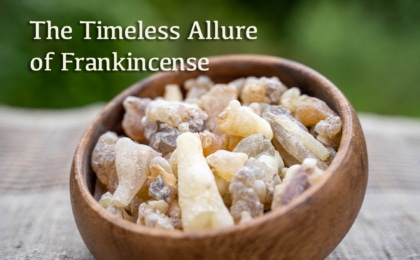
The Timeless Allure of Frankincense

For thousands of years, the fragrant swirls of Frankincense incense have woven their way through the entirety of human civilization, leaving an undeniable mark on our cultural, spiritual, and medicinal
by NW School of Aromatic Medicine
Aromatherapy
Aromatic History & Lore
Human/Plant Connection
Incense as Medicine
Natural Perfumery
Ritual
Sustainability
May 9, 20240Comments

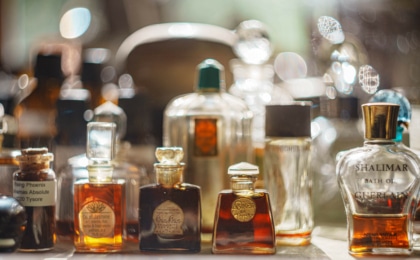
From Nature to Nose: Unveiling the Art of Natural Perfumery

Have you ever felt a deep desire to have your beloved aromatic plants accompany you throughout your day? That’s what it’s like to wear natural perfume. Unfortunately, many modern perfumes found
by NW School of Aromatic Medicine
Aromatherapy
Sustainability
November 29, 20228Comments

Herbal-Minded Holiday Gift Guide

The holiday season has arrived, and this is often a time when we think of giving something special to those we love and care for. However, the idea of picking
by NW School of Aromatic Medicine
Aromatherapy
Aromatic History & Lore
Incense as Medicine
August 25, 20229Comments

10 Aromatic Plants for Overcoming Anxiety

The world can feel overwhelming at times. There are so many herbs that can help ease anxiety, it’s almost as if the plants know how chaotic life can feel and
by NW School of Aromatic Medicine
Aromatherapy
Bio-Regional Aromatic Medicine
Human/Plant Connection
Sustainability
April 14, 202210Comments

13 Aromatic Plants You Can Easily Grow at Home

Have you thought about growing a garden this spring? Now is a great time to start preparing! Whether you're a complete beginner, or a master in aromatic medicine making, there is
by NW School of Aromatic Medicine
Aromatic History & Lore
Plant Profiles
Sustainability
October 27, 20219Comments

Saving Spikenard: The Sustainability Struggle

Some might say that the words sustainable and essential oil can never be in the same sentence. Essential oils have dynamic health benefits, however, they’re also resource-intensive products. Hundreds to
by NW School of Aromatic Medicine
Aromatic History & Lore
Human/Plant Connection
Ritual
Sustainability
July 19, 20210Comments

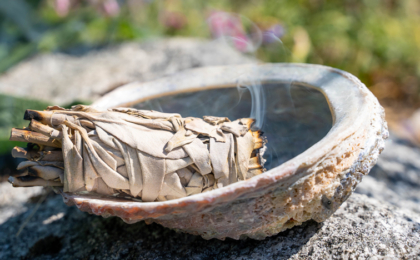
Smudging: An Issue of Ethics and Sustainability

Have you ever scrolled past a social media ad with an image of someone burning a smudge stick of White Sage with the caption reading something like, “Say Bye-Bye to
by NW School of Aromatic Medicine
Plant Profiles
Sustainability
November 25, 20190Comments

A Distress Call from the Sacred White Sage Plant

Oftentimes when trends spread like wildfire around the world, there is a great deal of misinformation or lack of understanding around them. Unfortunately, many trends these days include the use
by NW School of Aromatic Medicine
Aromatherapy
Aromatic History & Lore
Ayurveda
Plant Profiles
Sustainability
January 23, 20180Comments

The Ancient Divinity and Healing of Sandalwood

One of the most widely used metaphysical plants in the world is the renowned Sandalwood tree. The use of this sacred tree in spirituality and ritual dates back thousands of
by NW School of Aromatic Medicine
Aromatherapy
Aromatic History & Lore
Incense as Medicine
Plant Profiles
Sustainability
May 13, 201741Comments

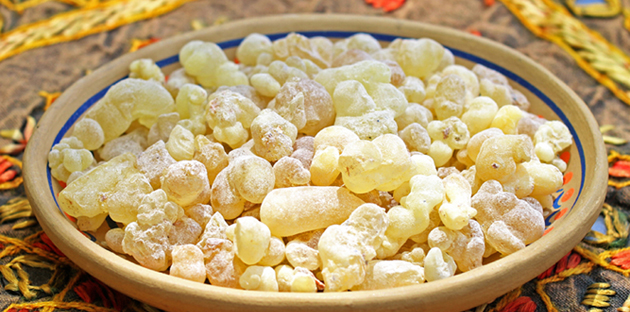
Frankincense – Divine Communion

Frankincense: the name echoes throughout the fragrant histories of the world as a champion of aromatics. One of the most popular incense materials of the ages, it has nourished many
by NW School of Aromatic Medicine
Newer Articles »

aromatic_medicine

🌿 Follow us on Instagram for daily inspiration, plant knowledge, aromatic wisdom, and one-of-a-kind courses 🌿

As herbalists, aromatherapists, and lovers of arom As herbalists, aromatherapists, and lovers of aromatic plants, our relationship with the plant world is reciprocal.

We tend the plants, and in return, they tend us.

Part of walking an ethical, plant-centered path is knowing when to slow down, use less, and choose with greater care.

🌿 Aromatic plants on our “take care” list 🌿

These species face sustainability pressures due to overharvesting, habitat loss, or fragile ecosystems. They deserve reverence, restraint, and thoughtful sourcing:

Rosewood (Aniba rosaeodora)
Agarwood (Aquilaria malaccensis)
Frankincense (Boswellia carterii from Somalia)
Palo Santo (Bulnesia Sarmientoi)
Atlas Cedarwood (​​Cedrus atlantica)
Spikenard (Nardostachys jatamansi)
Sassafras (Ocotea pretiosa)
African Sandalwood (Osyris lanceolata)
White Sage (Salvia apiana)
Sandalwood (Santalum album, S paniculatum)

✨ Our guiding principle:

When the source isn’t clear, we slow down and pause before proceeding. When a supply feels questionable, we seek out thoughtful alternatives. And when a plant is known to be vulnerable, we allow respect and relationship to guide our choices, always placing care for the plant before our desire to use it.

Sustainability isn’t just about what we use—it’s about how and why we use it.

May our aromatic practices be rooted in care, relationship, and responsibility. 🌎

---
 #sustainability #plantsteward #plantstewardship #sustainablesourcing
🌿 Where do you source your herbs and aromatic plan 🌿 Where do you source your herbs and aromatic plants? Drop your location + recommendations below! 👇

Some of the most powerful plant allies don’t have to come from exotic locations halfway around the world… there are plenty being lovingly grown right in our own communities. 🌱

Local, small-scale herb farmers are helping preserve traditional plant knowledge while making high-quality, sustainably grown herbs more accessible.

Know an herbal farm near you that deserves more recognition? Tag them below. 

Let's build a map of where to find powerful plant medicine closest to home.

👇 Share your location + any farms/growers you love.
3 reasons to use non-combustible, low-smoke method 3 reasons to use non-combustible, low-smoke methods to burn incense:

🔥 Provides a slower burn that maintains the integrity of the incense
🔥 Helps lessen the charred aroma that often accompanies combustible methods
🔥 Self-lighting charcoal often contains chemicals that can be a health hazard

Discover the 3 virtually smokeless ways to enjoy incense in our blog. Link in bio ✨

---
 #smokelessincense #smokelessincenseburner #burningincense #incensecharcoal
There’s a difference between owning a lot of aroma There’s a difference between owning a lot of aromatics... and truly knowing aromatics.

I think most of us begin the same way.

We collect.

Another essential oil. Another resin. A beautiful piece of aromatic wood. An unusual extract we've never smelled before. I started collecting incense when I was 16, not knowing much about it, the traditions, or the plans behind it at all. 

And there's nothing wrong with that—I still get ridiculously excited when a package of new aromatics shows up at my door. 😆

But eventually, something changes.

You don't just want more.

You want to understand what you already have.

You want to know things like why one Frankincense smells completely different from another.

Why that Sandalwood was so expensive compared to another.

Where your Agarwood actually came from.

Whether wildcrafted really means better.

How to recognize exceptional quality with your own nose.

Who grew, harvested, distilled, or traded the materials you're working with.

And whether the plants you love are actually being cared for in a way that allows them to continue thriving.

That's when collecting aromatics starts becoming connoisseurship.

And that's really why I created The Aromatic Connoisseur Series.

To help you become more knowledgeable, discerning, and intentional with the aromatics you already love.

To know how to find them, how to understand them, and how to protect them.

🌿 The Aromatic Connoisseur Series

Three special classes & one deeper journey into the aromatic world.

Enrollment is only open until tomorrow night, so if this deeper journey into the aromatic world is calling to you, come take a look.

Explore the complete series + join us in our bio

---

 #Aromatherapy #NaturalAromatics #AromaticPlants #EthicalSourcing #NaturalPerfumery #Herbalism
That little bottle of essential oil on your shelf That little bottle of essential oil on your shelf was once a field of living plants.

That piece of Sandalwood was once inside a tree.

Your Frankincense resin once flowed from the bark of a living Boswellia.

Vetiver oil began underground, in the roots of a grass.

And that precious piece of Agarwood may represent years—or even decades—of growth before it ever found its way into your hands.

It's surprisingly easy to forget this.

We buy aromatics in bottles, bags, jars, and boxes. We learn their properties. We formulate with them, burn them, diffuse them, make medicine and perfume with them...

And somewhere along the way, the plant can disappear behind the product.
I've been thinking about this a lot.

Because becoming more knowledgeable about aromatics shouldn't only mean learning how to find the rarest materials or developing a more sophisticated nose.
It should also deepen our understanding of what it took for those materials to exist in the first place.

Some aromatic plants regenerate readily after harvest.

Others are uprooted entirely.

Some aromatic woods require trees that have grown for decades.

Some plants are thriving.

Others are facing enormous pressure from habitat loss, overharvesting, increasing global demand, and unsustainable trade.

And behind these materials are also growers, harvesters, distillers, families, and communities whose livelihoods can be intertwined with the plants we treasure.

This is why the third class in The Aromatic Connoisseur Series is called:

🌿 Guardians of the Aromatic Plants

Because I believe true connoisseurship comes with responsibility.

The more we appreciate these plants, the more we should want to understand where they came from—and help ensure they're still here for the generations that come after us.

From commodities... back to plants.

Click the link in our bio to explore The Aromatic Connoisseur Series.

---
#AromaticPlants #Herbalism #Aromatherapy #EthicalSourcing #NaturalAromatics #NaturalPerfumery #Incense #AromaticMedicine
“Wildcrafted” does NOT automatically mean sustaina “Wildcrafted” does NOT automatically mean sustainable. 🌿

Neither does organic. And words like ethical or sustainably harvested don't always tell us as much as we might think.

Harvesting Lavender flowers is very different from digging up a root system. 

Gathering leaves is different from removing bark. And harvesting fragrant heartwood that may have taken decades to develop asks something entirely different of the plant.

Then there's something else we often forget:

Plants don't grow at the speed of markets.

An obscure aromatic plant can suddenly explode in popularity after a health influencer with millions of followers shines a spotlight on it. 

But a tree that takes 30 years to mature still takes 30 years to mature.

So what does “sustainably sourced” actually mean—and how can those of us who genuinely love aromatic plants learn to look beyond the words on the label?

That's what I explore in my newest article:

🌿 What Does “Sustainably Sourced” Actually Mean for Aromatic Plants?

→ Read the new article at the link in our bio

---
#AromaticPlants #Herbalism #Aromatherapy #EthicalSourcing #NaturalAromatics #NaturalPerfumery #Incense #AromaticMedicine
Some of the best aromatic materials I've ever foun Some of the best aromatic materials I've ever found were NOT sitting on the websites everyone in the aromatic world already knows about.

I've found them by digging.

Following obscure leads. Searching botanical names and countries of origin. Talking with importers, distillers, growers, harvesters, wholesalers, and people much closer to the source.

Sometimes a search leads nowhere.

Other times, you find a little-known source halfway around the world carrying a material so extraordinary that you immediately think...

Where has THIS been hiding?!

Over the past 15+ years, I've spent countless hours going down these aromatic rabbit holes—sourcing materials for medicine making, incense, perfumery, teaching, my own collection, and Higher Mind Incense.

And today, I'm opening up that world to you.

🌿 CLASS ONE: Sourcing the World's Aromatic Treasures airs today!

We're going behind the scenes of how I actually search for exceptional aromatics—including how to look beyond the usual retailers, follow a material closer to its source, evaluate potential suppliers, compare samples, recognize red flags, and ask the questions that reveal what you're actually buying.

I'll also share some of my own sourcing stories, mistakes, successes, and lessons learned along the way.

Because once you learn how to look, the aromatic marketplace becomes a much bigger world.

And you might be surprised by what you find.

🌿 Sourcing the World's Aromatic Treasures

The first class in The Aromatic Connoisseur Series airs today.

→ Join us at the link in our bio

---
 #Aromatherapy #NaturalPerfumery #EssentialOils #PlantWisdom #Botanicals #PlantMedicine #aromaconnoisseur
Most of us were never actually taught how to smell Most of us were never actually taught how to smell.

We were taught what Lavender is for.

We learned the properties of Frankincense.

We memorized the constituents of essential oils, the uses of herbs, and the fragrance notes of perfumes.

But how much time have you spent actually training your nose to notice what's there?

The difference between sweet and balsamic, deep and resinous.

An aroma that reveals itself immediately... and one that continues unfolding the longer you sit with it.

I've found that the more you intentionally work with your sense of smell, the more the aromatic world starts opening up.

You begin noticing differences you simply couldn't perceive before.

And that's one of the things I'm most excited about with my new Aromatic Connoisseur Series.

Learning more information about aromatic plants is always good, but this is more about becoming better at actually experiencing them.

We'll be smelling, comparing, paying attention, and developing the sensory discernment that comes from spending real time with beautiful aromatic materials.
Because your nose can be trained.

And when it is, an entirely new layer of the aromatic world starts revealing itself.

🌿 The Aromatic Connoisseur Series is now open for enrollment.

Our first class airs this Friday.

→ Learn more + join us at the link in our bio

---
#Aromatherapy #EssentialOils #Perfumery #Botanicals #PlantMedicine 
#AromaticPlants #NaturalPerfumery #OlfactoryTraining #PlantWisdom
Follow on Instagram

OFFERINGS

  • Aromatic Medicine Garden Monthly Membership
  • Incense Crafting Course
  • Botanical Resins & Gums Course
  • Materia Aromatica Ebook

QUICK LINKS

  • About
  • Courses
  • The Aromatic Medicine Blog
  • The School
  • Evan Sylliaasen
  • Contact
  • Privacy Policy
  • Terms & Conditions

FOLLOW US

  • Facebook
  • Instagram
  • Youtube

OUR NEWSLETTER

Stay in the know on new releases and special offers

Loading

support@aromaticmedicineschool.com

© 2026 The Northwest School of Aromatic Medicine, All rights reserved.