Skip to content
The Northwest School of Aromatic Medicine
  • About
  • Courses
  • Resources
    • The Aromatic Medicine Blog
    • Video Library
  • Shop
  • Contact
  • Close Search Form
    Open Search Form
  • facebook
  • instagram
  • youtube
Student Login
Category

Aromatic History & Lore

Aromatic History & Lore
Human/Plant Connection
Ritual
Sustainability
July 19, 20210Comments

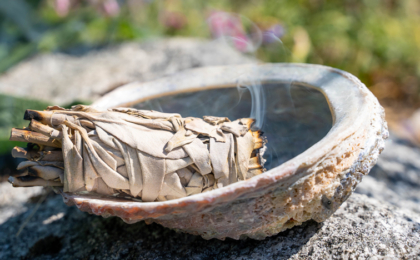
Smudging: An Issue of Ethics and Sustainability

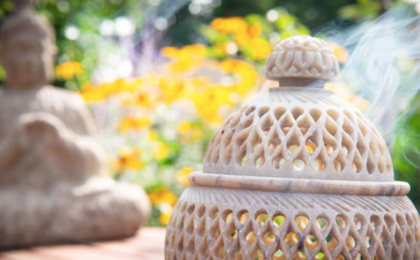
Have you ever scrolled past a social media ad with an image of someone burning a smudge stick of White Sage with the caption reading something like, “Say Bye-Bye to
by NW School of Aromatic Medicine
Aromatherapy
Aromatic History & Lore
Ritual
March 21, 20210Comments

The Spirit of Aroma & The Sacred Sense of Smell

The other night I had a super weird thing happen between my dream life and waking life that was the inspiration for this blog. In my dream I was smelling
by NW School of Aromatic Medicine
Aromatic History & Lore
Ayurveda
March 2, 20210Comments

Herbal Smoking as Medicine

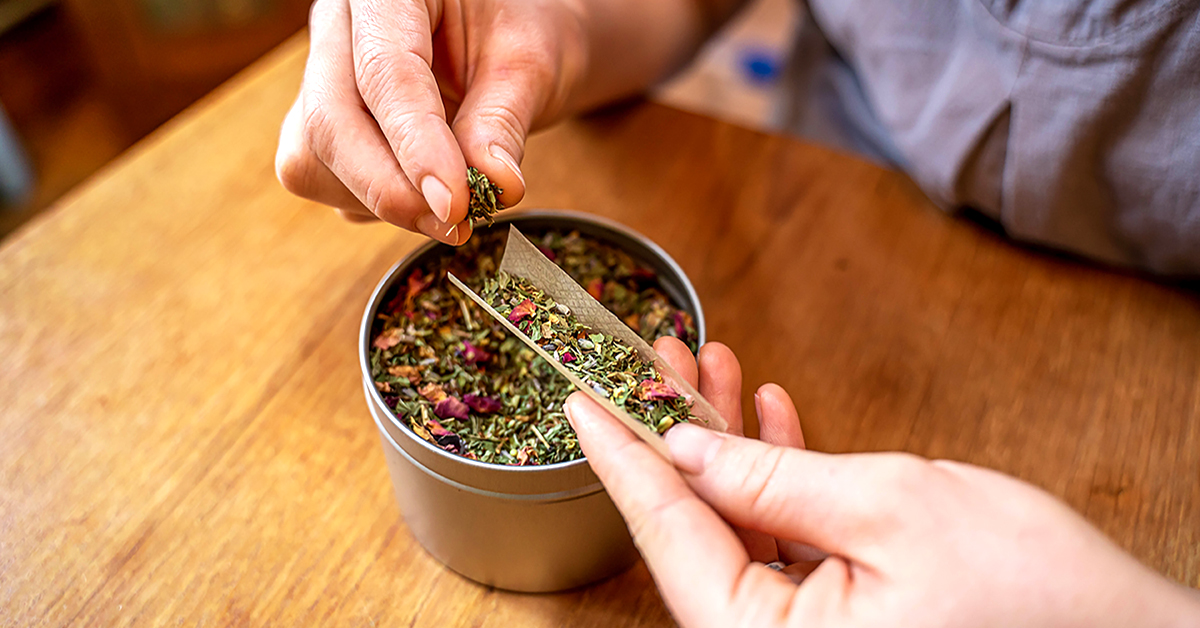
You might never have thought that smoking can actually have positive effects on your health, but this may be the case, depending on what you’re smoking. Now, don’t get me
by NW School of Aromatic Medicine
Aromatic History & Lore
Bio-Regional Aromatic Medicine
Plant Profiles
January 25, 202134Comments

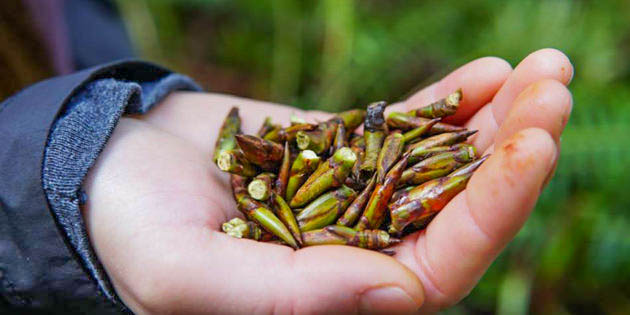
The Medicine & Magic of Pine

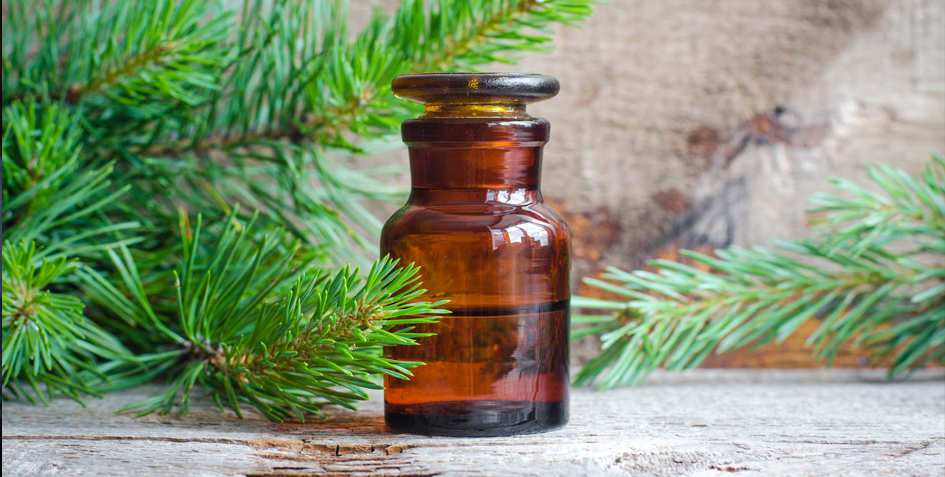
Article written by Evan SylliaasenFor ages, humans across the Earth have maintained a special and magical relationship with evergreen trees of all kinds. The multifaceted wisdom in their growth patterns,
by NW School of Aromatic Medicine
Aromatherapy
Aromatic History & Lore
December 20, 20200Comments

Holiday Smells: Aromatic Traditions from Winters Past

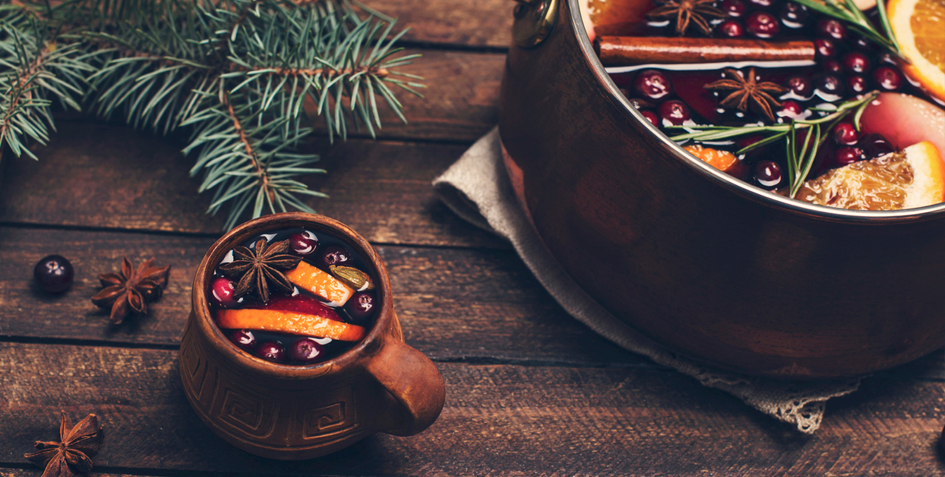
Fresh cut Pine and Spruce trees, Cedar boughs, pots of evergreen needles steaming on the wood stove. Aromas of Cinnamon and Clove rising from the oven. Orange peel and Star
by NW School of Aromatic Medicine
Aromatic History & Lore
Plant Profiles
March 10, 202011Comments

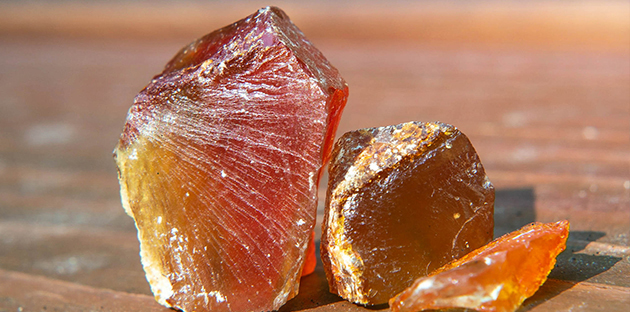
Copal Plant Profile – Ancient Incense & Mystical Medicine

Copal, it's one of the most well-known and oldest names in the world of incense. If you're into incense, surely you've heard of it and likely have burned some before.
by NW School of Aromatic Medicine
Aromatic History & Lore
Plant Profiles
August 26, 201912Comments

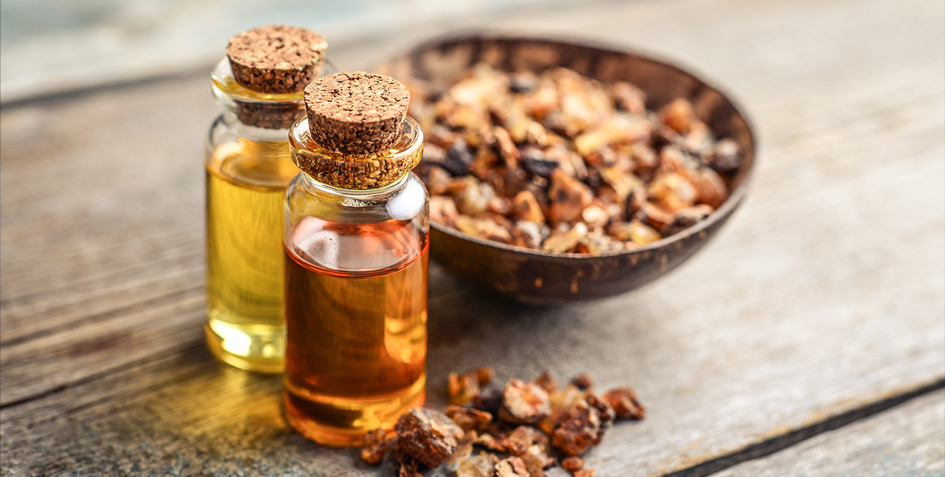
Myrrh Plant Profile – The Sacred Bitter Medicine of Antiquity

Have you ever noticed how Frankincense and Myrrh are commonly mentioned together by herbalists and incense connoisseurs, yet Frankincense somehow receives all the attention in the media and medical journals these days? Why
by NW School of Aromatic Medicine
Aromatherapy
Aromatic History & Lore
Ayurveda
Incense as Medicine
May 25, 20190Comments

Incense As Medicine

In addition to their pleasant and uplifting aromas, nearly all aromatic plants used in incense also have medicinal qualities. Whether burned for therapeutic, spiritual, or aesthetic purposes, everyone who burns
by NW School of Aromatic Medicine
Alchemy
Aromatherapy
Aromatic History & Lore
Incense as Medicine
March 24, 20190Comments

The Roots of Aromatherapy & The Soul of Plants

Modern aromatherapy, the therapeutic use of botanical essential oils, is one of the fastest growing healing modalities of our time, and its name is widely known around the world today.
by NW School of Aromatic Medicine
Aromatic History & Lore
Plant Profiles
Ritual
Topical Medicine
January 1, 20190Comments

Balm of Gilead, Comfort for the Soul

Considered to be among the most sacred of herbs throughout many ancient Eastern cultures, the renowned Balm of Gilead was once used in various forms of holy incense and anointing
by NW School of Aromatic Medicine
« Older Articles Newer Articles »

aromatic_medicine

🌿 Follow us on Instagram for daily inspiration, plant knowledge, aromatic wisdom, and one-of-a-kind courses 🌿

What if your favorite herb is trying to tell you s What if your favorite herb is trying to tell you something? 🌿

Why are some people naturally drawn to warming herbs like Ginger and Cardamom, while others can't get enough Lavender, Rose, or Peppermint?

Is it just personal preference...or could there be something deeper?

For thousands of years, traditional healing systems observed that both plants and people express unique energetics. They suggest that, at times, we naturally gravitate toward the qualities our bodies and minds need most. 

While this isn't always the case, many herbalists, aromatherapists, and holistic practitioners have observed that the plants we're repeatedly drawn to can sometimes offer clues about what we're experiencing physically, emotionally, or energetically.

In our latest blog, we explore:
✨ Why we're naturally drawn to certain herbs or aromas
✨ How plants + people express their own unique energetics
✨ The wisdom shared across ancient healing traditions
✨ Why understanding these patterns can deepen the way you work with herbs

Read the full article at the link in our bio.

👇 We'd love to know: Which herb or aroma do you find yourself returning to again and again?

________________
 #energetics #herbalenergetics #herbalism #aromatherapy #herbalist #aromatherapist #plantwisdom
Have you heard of the Doctrine of Signatures? Thi Have you heard of the Doctrine of Signatures?

This traditional herbal concept suggests that a plant's appearance (like its shape, color, aroma, growth habit, or even where it grows) can offer clues to its medicinal actions. 

Take Wild Celery, for example. It thrives in environments where water meets salt: salt marshes, estuaries, riverbanks, damp coastal meadows. These mineral-rich, ever-changing landscapes can reflect something essential about the plant itself.

Wild Celery's preference for moist, fertile ground mirrors its traditional use as a remedy for the body's fluid systems, supporting circulation, cleansing, and elimination the same way water constantly moves through the wetlands it calls home. Its connection to salt hints at its sodium-rich stalks and its traditional role in supporting the kidneys and fluid balance in the body.

When we study a plant's native habitat, we learn not only where it grows, but how it lives and thrives. And sometimes, that story offers profound insight into how the plant may support us.

That's why studying a plant’s botany, ecology, and history is every bit as important as learning a plant's therapeutic actions. 

A plant's greatest teachings aren't just found in a benefits list…they're found in its story. ✨

🎥 This clip is an excerpt from our in-depth Wild Celery Plant Talk inside the Aromatic Medicine Garden.

🌱 Learn more about our online educational hub at the link in our bio.

_____________
#herbalism #herbalist #aromatherapy #doctrineofsignatures #herbaleducation  #learningaboutplants
Did you know there are actually several distinct t Did you know there are actually several distinct types of Frankincense trees that are popularly harvested for resin? Each species offers its own aromatic fingerprint, with subtle shifts in brightness and depth.

Some varieties have more golden hues and piney, citrusy notes, while others display a darker, woody appearance, releasing deep, earthy aromas with undertones of balsamic spice.

Each resin offers a different, unique experience to connect with this sacred aromatic plant.

But these trees aren't an endless resource.

Several species of Boswellia are now considered endangered, threatened by climate stress, over-harvesting, and grazing pressure.

This is why sustainable and ethical sourcing matters more than ever.

Higher Mind Incense offers Frankincense that is sustainably and ethically harvested through tribal co-ops in Somalia and from responsible harvesters in India, who are trained to care for the trees and ensure the long-term preservation and regeneration of native populations.

🌿 Experience the unique character of each Frankincense variety through the link in our bio.

___________
#frankincense #frankincenseresin #incense #incenseresin #sustainablesourcing #endangeredspecies #boswellia #sacredritual
Do you like making herbal tea? 🚧 Make sure you don Do you like making herbal tea? 🚧 Make sure you don’t forget this important step…

Cover your mug! This helps keep all the valuable volatile oils (aka aromatic compounds) in your tea. 

Volatile oils are extracted from plants to produce essential oils and have many therapeutic benefits. They evaporate very easily, so if you don’t cover your container while your tea is brewing, some of the medicinal benefits of the herbs could vaporize with the rising steam!

There are two common ways of making herbal tea: herbal infusions and decoctions.

In an herbal infusion, to get the most therapeutic compounds out of your herbs, steep 1 TBSP of herb per 8 oz. of hot water in a cup or teapot for at least 15 minutes, covered.

You can make an herbal decoction by placing dried herbs in a pot on your stovetop and heating the water to a gentle simmer for 20-45 minutes while covered. 

A decoction is ideal for more hardy herbs, like roots, berries, barks, seeds, and mushrooms, with a few exceptions. Delicate herbs like leaves and flowers should be prepared with a hot water infusion.

Then strain and enjoy! Cheers ☕🌿

__________
#herbaltea #aromatictea #aromaticherbs #aromaticmedicine #herbalinfusion #decoction  #brewingtea
Have you ever used herbal tinctures? Tinctures, a Have you ever used herbal tinctures?

Tinctures, an important form of herbal alcohol extraction, have existed for thousands of years. Many believe that they’ve been around since the discovery of alcoholic beverages. 

A recent discovery suggests that the earliest alcoholic drink in the world was a type of fermented grape wine, including rice, honey, and Hawthorn berry. 

The remnants of this beverage were found on pottery from Jiahu, an ancient village in China, that dates back to 7000–6600 BCE.

Many medicinal and aromatic plants can be infused into alcohol to make tinctures for internal or topical use.

Many resins can also be extracted with alcohol. Oleo-gum-resins like Frankincense and Myrrh can also, though more careful calculations are required for them to be a success. 

Resin tinctures end up being very potent and strong-tasting, and often require a lower dosage or are added to water to take the edge off. 

What’s your favorite botanical tincture? 👇

____________
#herbaltincture #herbalism #herbalist #naturalremedy #tinctures #herbalremedy
☀️ If I could only keep one thing with me all summ ☀️ If I could only keep one thing with me all summer, it wouldn't be a portable fan, or even a popsicle.

It would be a homemade cooling aromatic body spray. 🌿💦

A few spritzes of cooling botanicals like Peppermint, Eucalyptus, or Rose can cool the skin on contact, perfect after long summer days gardening, hiking, hanging by the river, or just trying to get through a heat wave.

And it's fast and easy to make.

In our new blog, we share our favorite Cooling Body Spray recipe along with a guide to the best cooling herbs for summer. 🌸

✨Link in bio.

____________
#coolingspray #essentialoilspray #aromatherapyspray #DIYrecipe #DIYherbalism #coolingbodyspray #naturalremedy #herbalremedy
☀️ Comment DIY to get the full recipe guide! 🌿💦 S ☀️ Comment DIY to get the full recipe guide! 🌿💦

Summer is officially heating up! At the start of the season, there's nothing better than getting outside and soaking up every bit of sunshine. 

It's usually right about now though… once the season's worn in a little, that I (and everyone I know) start hunting for ways to keep cool. 

There’s something about the hot weather that can leave you feeling sluggish and sun-tired, stuck in that overheated, can't-quite-shake-it-off fog…making it a little harder to stay energized (or patient 😅).

One of my favorite ways to cut through that feeling is with an uplifting, cooling aromatic body spray. Just a few spritzes of cooling botanicals like Peppermint, Lemon Balm, Lavender, and Rose, and your body (and mind) feel refreshed again. 

In our newest blog post, we're sharing:
🌿 Our favorite cooling aromatic herbs
❄️ How these plants naturally help you beat the heat
🧴 A simple DIY Cooling Body Spray recipe you can make at home

Comment DIY below, and we'll send the complete recipe guide straight to your inbox!

_____________
#coolingspray #DIYherbalism #DIYrecipe #herbalrecipe #herbalremedy #naturalremedy  #essentialoilrecipe
Did you know some plants can trick your body into Did you know some plants can trick your body into feeling cooler? ❄️

Peppermint doesn't actually lower your body temperature, but thanks to its natural compound menthol, it activates cold receptors in your skin, creating an instant cooling sensation. 

Pair it with other naturally cooling and soothing botanicals like Lavender and Rose, and they create one incredibly refreshing summer body spray.

In our new blog, we explore our favorite cooling aromatic herbs and how they work, plus a DIY Cooling Body Spray recipe you can make in minutes.

☀️ Link in bio.

_______________
#peppermint #menthol #coolingherbs #coolingspray #diyherbalism #diyrecipe #essentialoils #beattheheat🔥
Follow on Instagram

OFFERINGS

  • Aromatic Medicine Garden Monthly Membership
  • Incense Crafting Course
  • Botanical Resins & Gums Course
  • Materia Aromatica Ebook

QUICK LINKS

  • About
  • Courses
  • The Aromatic Medicine Blog
  • The School
  • Evan Sylliaasen
  • Contact
  • Privacy Policy
  • Terms & Conditions

FOLLOW US

  • Facebook
  • Instagram
  • Youtube

OUR NEWSLETTER

Stay in the know on new releases and special offers

Loading

support@aromaticmedicineschool.com

© 2026 The Northwest School of Aromatic Medicine, All rights reserved.