Skip to content
The Northwest School of Aromatic Medicine
  • About
  • Courses
  • Resources
    • The Aromatic Medicine Blog
    • Video Library
  • Shop
  • Contact
  • Close Search Form
    Open Search Form
  • facebook
  • instagram
  • youtube
Student Login
Category

Incense Crafting

Aromatherapy
Aromatic History & Lore
Ayurveda
Herbal Medicine
Incense as Medicine
Incense Crafting
Natural Perfumery
Plant Profiles
November 7, 20256Comments

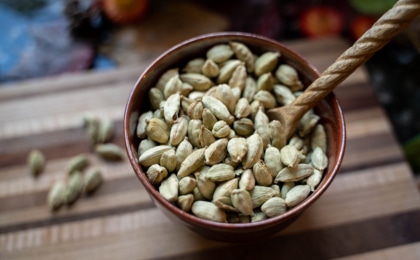
Cardamom Benefits: The Ancient Spice for Digestion, Clarity, and Vitality

Imagine a single seed pod, no larger than your fingertip, holding within it the power to kindle digestive fire, clear stagnant breath from congested lungs, and lift the fog of
by NW School of Aromatic Medicine
Incense Crafting
October 9, 20250Comments

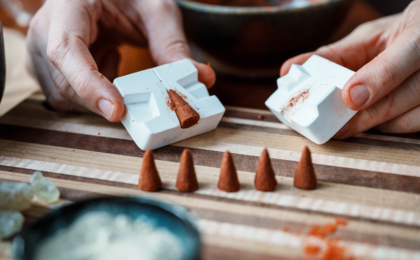
4 Powerful Reasons to Make Your Own Incense

Close your eyes for a moment and imagine: a thin ribbon of smoke rising from a hand-rolled cone of incense, its earthy-sweet scent unfurling through the room like a gentle
by NW School of Aromatic Medicine
glass cork bottle of benzoin oil next to benzoin resin on a counter
Aromatherapy
Aromatic History & Lore
Incense as Medicine
Incense Crafting
Natural Perfumery
Plant Profiles
Ritual
August 13, 20250Comments

Why Benzoin Resin Belongs in Your Apothecary: Benefits & Ritual Uses

Imagine something that looks like a beautiful golden rock, but upon closer inspection, you're greeted with sweet, balsamic, resinous notes, with hints of vanilla that feel like a warm embrace.
by NW School of Aromatic Medicine
Aromatherapy
Bio-Regional Aromatic Medicine
Herbal Medicine
Human/Plant Connection
Incense Crafting
Natural Perfumery
Ritual
May 22, 20250Comments

The Energy You Bring to the Craft: Intention as an Ingredient

Have you ever followed a recipe exactly, only to have it fall flat, while someone else makes the same thing and it comes alive? Or crafted an herbal or aromatic
by NW School of Aromatic Medicine
Aromatherapy
Aromatic History & Lore
Aromatic Recipes
Human/Plant Connection
Incense as Medicine
Incense Crafting
Ritual
October 1, 20240Comments

Incense 101: Aromatic Medicine Beyond Incense Sticks

The scented swirls of incense smoke carry a profound story – the life cycle of each botanical ingredient, the journey from seedling to thriving herb, nurtured by the sun and
by NW School of Aromatic Medicine
Aromatic History & Lore
Incense Crafting
Ritual
February 21, 20240Comments

The Ancient Story of Incense Clocks

How would you tell time without your iPhone, watch, or digital clock? Before the invention of electricity and modern technology, ancient peoples would often use the elements of the natural
by NW School of Aromatic Medicine
Aromatherapy
Herbal Medicine
Incense as Medicine
Incense Crafting
October 17, 20230Comments

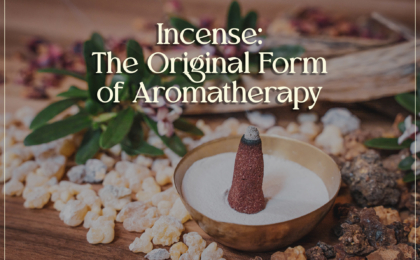
Incense: The Original Form of Aromatherapy

The world of holistic healing is a deep ocean of ancient wisdom and practices. Within the treasure chest of wonderful traditional remedies that have been passed down over time, incense
by NW School of Aromatic Medicine
Incense as Medicine
Incense Crafting
September 22, 202211Comments

Incense Crafting: A Path to Healing & Personal Fulfillment

The Art of Incense CraftingImagine walking through the depths of the forest; it’s so quiet that all you hear are the treetops swaying from the light breeze, it smells like
by NW School of Aromatic Medicine
Incense as Medicine
Incense Crafting
April 26, 20224Comments

Incorporating Incense Into Your Herbal Practice

Incense as medicine has been utilized for ages in cultures around the world, but has unfortunately been forgotten by most modern herbalists. We often hear from our students that they
by NW School of Aromatic Medicine
Aromatherapy
Incense as Medicine
Incense Crafting
Topical Medicine
March 16, 20225Comments

Your Guide to the Topical & Internal Herbal Preparations for Healing & Beauty

When it comes to working with plants, knowing where to start can feel intimidating. However, don’t let the vast amount of information available overwhelm you, or stop you from giving
by NW School of Aromatic Medicine
« Older Articles

aromatic_medicine

🌿 Follow us on Instagram for daily inspiration, plant knowledge, aromatic wisdom, and one-of-a-kind courses 🌿

Long before modern perfumery… before incense shops Long before modern perfumery… before incense shops… before aromatherapy… there was Labdanum. ✨

Considered one of the oldest aromatic materials used by the ancients, Labdanum carries a history as rich and resinous as its scent.

As described by Herodotus, Arabian shepherds first harvested this sacred resin by chance. Their goats, drawn to the Rockrose shrubs, grazed among the thickets, emerging with fragrant resin clinging to their beards.

The shepherds combed the sticky treasure from their coats, unknowingly gathering what would become one of the most prized aromatic substances in history.

In ancient Egypt, Labdanum was believed to be born from the “Tears of Osiris,” fallen from the heavens onto the Cistus bush. Pharaohs adorned themselves with ceremonial beards made from goat fur soaked in Labdanum, a symbol of divine authority and celestial connection.

Labdanum became a cornerstone of sacred perfumery and incense traditions.

​​​​​​​It was a key ingredient in Kyphi, the revered Egyptian temple incense, and in Ketoret, the holy incense offering described in the Hebrew Bible, its rising smoke symbolizing prayers ascending toward the heavens.

It was also used in Egyptian royal cosmetics and perfumes, praised for its richness and depth.

When burned, it releases a deep, earthy, luxurious aroma – warm amber, soft leather, woody undertones – both grounding and mysteriously expansive.

Labdanum is a resin that connects you to ancient temples, arid land winds, sacred ritual, and the lineage of perfumers and incense artisans who came before us.

🌿 Our sister company, Higher Mind Incense, offers sustainably grown and harvested Labdanum resin from the sunny hills of Spain. Check it out at the link in our bio.

✨ Want to learn more about Labdanum’s story? Comment RESIN and we’ll send the full blog straight to your inbox.

______________
#labdanum #incenseresin #treeresin #cistus  #rockrose #naturalperfumery  #ancientegypt
Do you have anything special planned to honor the Do you have anything special planned to honor the arrival of Spring? 🌱

On this day, we celebrate ​​the sun crossing the equator from south to north, bringing warmth and light back to the Northern Hemisphere.

As this happens, the hours of day and night are almost equal. In fact, the word “equinox” comes from the Latin words meaning “equal” and “night.” 

The days will continue to grow longer, lighter, and warmer as we celebrate the sun's return. ☀

___________
#spring #springequinox  #springishere🌸  #celebratespring  #firstdayofspring
What are chemotypes? And why do they matter? 🌿✨ N What are chemotypes? And why do they matter? 🌿✨

Not all essential oils are created equal, even when they come from the same plant species.

A chemotype refers to the dominant chemical profile of an essential oil. In other words, it describes which compounds show up most prominently in that oil, and that changes how the oil smells, feels, and works in the body.

Climate, altitude, soil, season, and even stress on the plant all influence which constituents rise to the surface. The result? One plant… multiple personalities.

For example, a single plant species may yield:
✨A chemotype that is calming and gentle
✨Another that is stimulating or antimicrobial
✨And another that is best used with extra caution

This is why reading the full botanical name and chemotype on labels is so important, especially when working with essential oils for wellness or clinical use. 

Chemotypes aren’t just for essential oils, too – they reflect the plant’s chemistry itself. While essential oils highlight these differences most clearly due to their potency, chemotypes also influence hydrosols, dried herbs, and other plant preparations, affecting aroma, flavor, and therapeutic properties. 

Knowing a plant’s chemotype helps you work with it more safely and effectively, whether you’re blending oils, crafting incense, or making herbal remedies. 🌱 

___________
#chemotypes #essentialoils #aromatherapy #herbalremedies #aromaticmedicine #hydrosols #herbalism
I started burning incense when I was 16. I remembe I started burning incense when I was 16. I remember tagging along on a business trip with my parents to Australia (lucky kid). My mom & I wandered the streets of Sydney, popping into little shops along the way.

I bought 2 things that day: a giant pinecone carved into a mushroom & an incense burner with a secret compartment for storing incense sticks. Of course, I bought a pack of incense to go with it.

I still remember the smell. At the time, I had no idea that simple purchase would spark what would later become a pretty serious obsession with scent.

About 6 years later, I discovered Tibetan incense. From the very first inhale, something shifted. It felt like something deeper than just a “nice smell.”

Naturally, I started digging. And what I found fascinated me.

Traditional Tibetan incense is often crafted using 100% wild plant material, following formulas preserved on scrolls thousands of years old. Some of the most authentic blends are still made in monasteries by monks who recite prayers & mantras over the incense for days, weeks, sometimes months.

These formulas weren’t created just for pleasant aromas. Many were used as medicine or sacred tools: early forms of aromatherapy.

That discovery changed the trajectory of my life.

It inspired me to explore traditional incense methods and revealed a much larger world of plants, healing, ritual, and consciousness.

I was so moved, I felt called to share. This led to my first course, Listening to Incense. Later came the Traditional Incense Crafting Course. And eventually something that grew even larger than incense itself.

Looking back, it’s wild to think that such a small moment could grow into something that would shape my life’s work. But in a way, it makes sense.

Just as the practice of burning aromatic plants gave rise to many of the aromatic arts, incense is also where my own journey with aromatics began.
​​​​​​​
​​​​​​​It all (literally) started with a spark.

And now I get to share that fragrant path with you.

These days I hear stories like this all the time: a scent, a plant, or a simple moment that opened a door into this world...

Can you remember what first drew you in?
Feeling tired? Can’t sleep? You’re not alone. In Feeling tired? Can’t sleep? You’re not alone.

In our modern era, it’s so common to feel overworked, overwhelmed, and burnt out. 

Try burning these 5 aromatic plants to help you sleep better and recharge… 

🍊 Bergamot can help your body prepare for sleep, supporting a decreased heart rate and lower blood pressure. While most Citrus oils are energizing, Bergamot is calming, has some sedative qualities, and is believed to help reduce stress and anxiety.

🌹 Rose is naturally relaxing, mentally, physically, and emotionally. Recent studies suggest that its aromatics can help reduce stress levels.

💜 Lavender is well-known for being calming and sedating to the nervous system. It helps relax the body and ease the mind from overactive thinking that can keep you up at night. It’s also believed to help deepen and slow down your breath, activating the parasympathetic nervous system.

✨ Frankincense is naturally calming, anti-inflammatory, and can be pain-relieving, which can help relax tense muscles after a long day of stress and anxiety.

🌿 Jasmine is well-known for its sleep-promoting properties. According to a recent study, the aroma of Jasmine has the same neurochemical mechanism as barbiturates, which are sedative prescription medications that act as central nervous system soothers.

____________
#aromatherapy  #aromatherapyforsleep #aromaticmedicine  #essentialoilsforsleep  #naturalsleepremedy #naturalsleepaid #naturalstressrelief
Yarrow is one of the incredible plants we explore Yarrow is one of the incredible plants we explore in depth in our new blog, “Aromatic Herbs for Women’s Health.” 

In this blog, you’ll discover:

 ▪ 6 aromatic plants traditionally used to support women’s health
 ▪ The physical, emotional, and energetic benefits of these herbs for the body, mind, and heart
 ▪ Simple self-care rituals using teas, topicals, baths, steams, hydrosols, EOs, and more
 ▪ A DIY belly massage oil recipe to support cycles, menopause, postpartum recovery, or daily self-care

🌿 Blog link in bio. 

*This video is an excerpt from our Aromatic Medicine Garden membership

_____________
#yarrow #womenshealth #herbsforwomen #menstrualrelief #MenopauseWellness #postpartumsupport #aromatherapyforwomen
“There is no place within nature for observers, fo “There is no place within nature for observers, for conservative thinkers. The door that is sought never opens for the reductionist. 

Because we are taught so many untruths about what we can know, about what Nature is and is not, the first step in gathering knowledge from the heart of the world is to go into the world on your own, abandoning your preconceptions. 

No expert can tell you what is there. No book knows the living reality of it. 

It is a living experience that you will find, not a mental construct. 

The things you think you know, that you have been taught, will get in your way if you do not agree, at least for now, to abandon them. 

The door is IN nature, but only by giving up what you think you know about nature, by being willing to know nothing, is the door found.” 

- Stephen Harrod Buhner

__________
 #stephenharrodbuhner #stephenbuhner #nature  #natureisbeautiful  #plantintelligence  #plantteachers
If there’s one plant cherished for women’s health If there’s one plant cherished for women’s health across cultures, it’s Rose. 🌹

More than a symbol of love, Rose has long protected the emotional heart, soothing and nourishing the spirit. Like a soft embrace, it can ease grief, calm distress, and bring comfort during emotional stress.

Its gentle, cooling energetics make it especially helpful when emotions run hot: anger, irritability, frustration, heartbreak, or the kind of overwhelm that makes you want to cry without knowing exactly why.

But in traditional herbal medicine, Rose also supports the physical body: its nervine qualities help soothe the nervous system, while its astringent and antispasmodic actions help tone and calm the reproductive organs, easing menstrual cramps. Traditionally, it has been used for irregular menstruation, heavy bleeding, PMS irritability, menstrual discomfort, and postpartum emotional support.

In fact, the ancient physician Hippocrates recommended Rose oil as a remedy for any uterine concerns.

One of the beautiful things about aromatic medicine is its versatility – it's where aromatherapy meets herbalism. A single plant’s benefits can be experienced through scent, topical preparations, and herbal remedies.

Rose is one of the plants we explore in depth in our new blog, “Aromatic Herbs for Women’s Health.” 

In this blog, you’ll discover:

🌿 6 aromatic plants traditionally used to support women’s health
🌿 The physical, emotional, and energetic benefits of these herbs for the body, mind, and heart
🌿 Simple self-care rituals using teas, topicals, baths, steams, hydrosols, EOs, and more
🌿 A DIY belly massage oil recipe to support cycles, menopause, postpartum recovery, or daily self-care

 🌸 Link in bio.

___________
#womenshealth #rose #roseoil #roseoilbenefits #menstrualhealth #postpartumsupport #emotionalhealth
Follow on Instagram

OFFERINGS

  • Aromatic Medicine Garden Membership
  • Incense Crafting Course
  • Botanical Resins & Gums Course
  • Materia Aromatica Ebook

QUICK LINKS

  • About
  • Courses
  • The Aromatic Medicine Blog
  • The School
  • Evan Sylliaasen
  • Contact
  • Privacy Policy
  • Terms & Conditions

FOLLOW US

  • Facebook
  • Instagram
  • Youtube

OUR NEWSLETTER

Stay in the know on new releases and special offers

Loading

support@aromaticmedicineschool.com

© 2026 The Northwest School of Aromatic Medicine, All rights reserved.