Skip to content
The Northwest School of Aromatic Medicine
  • About
  • Courses
  • Resources
    • The Aromatic Medicine Blog
    • Video Library
  • Shop
  • Contact
  • Close Search Form
    Open Search Form
  • facebook
  • instagram
  • youtube
Student Login
Tag

DIY

Aromatherapy
Aromatic Recipes
Herbal Medicine
Ritual
Topical Medicine
March 12, 20260Comments

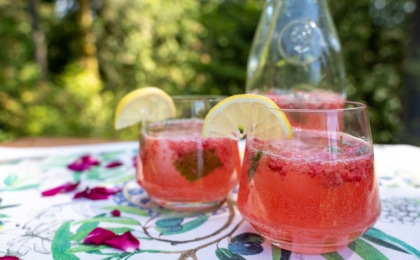
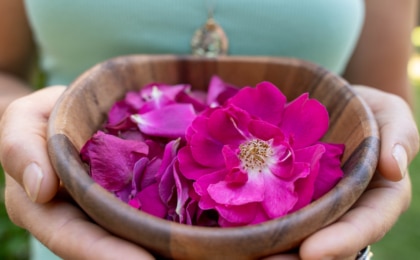
Aromatic Herbs for Women’s Health

For thousands of years, aromatic plants have been an important part of women's lives. Their fragrances have filled kitchens where stews and herbal teas simmered on the stove, herbal baths
by NW School of Aromatic Medicine
Alchemy
Natural Perfumery
January 15, 20260Comments

Creating Harmony: The Composition of Natural Perfumes

We live in a world saturated with scent. Our air fresheners, laundry detergents, cosmetics, body products, and even most perfumes are infused with synthetic fragrance compounds designed to imitate nature.
by NW School of Aromatic Medicine
Aromatherapy
Aromatic History & Lore
Aromatic Recipes
Incense as Medicine
Ritual
December 11, 20250Comments

Plant Allies for Returning the Light: Aromatic Herbs for Hope & Renewal

On the morning of the Winter Solstice, something subtle – but powerful – happens. The world seems to slow down. The sun lingers at its lowest point on the horizon,
by NW School of Aromatic Medicine
Aromatherapy
Aromatic Recipes
Herbal Medicine
Topical Medicine
November 13, 20250Comments

DIY Aromatic Gifts: 8 Recipes for a Heartfelt Holiday

As the holiday season approaches, what better way to share the spirit of warmth and love than through handmade, aromatic herbal gifts? In this DIY holiday gift blog, we've compiled a
by NW School of Aromatic Medicine
Incense Crafting
October 9, 20250Comments

4 Powerful Reasons to Make Your Own Incense

Close your eyes for a moment and imagine: a thin ribbon of smoke rising from a hand-rolled cone of incense, its earthy-sweet scent unfurling through the room like a gentle
by NW School of Aromatic Medicine
Aromatic Recipes
Herbal Medicine
Ritual
August 21, 20250Comments

How to Make an Aromatic Herbal Oxymel (+ Why You Should)

Honey and vinegar have been mixed together for thousands of years, creating what the ancient Greeks called an oxymel (from the Greek words for “acid” and “honey”). Add in a
by NW School of Aromatic Medicine
Aromatherapy
Aromatic Recipes
Topical Medicine
July 7, 20250Comments

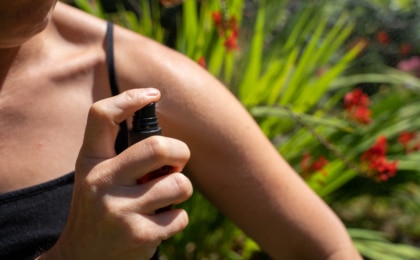
Top Essential Oil Blends for Bug Repellent

Summer is finally here! And with it, the sweet return of long, golden days spent outdoors. Whether you're hiking through sunny trails, swimming in crystal-clear lakes, camping under the stars,
by NW School of Aromatic Medicine
Aromatic History & Lore
Natural Perfumery
Ritual
June 30, 20250Comments

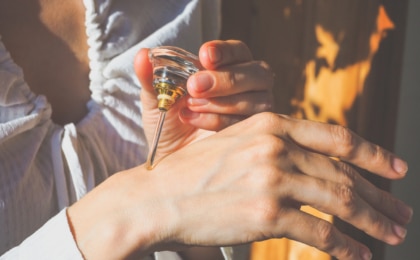
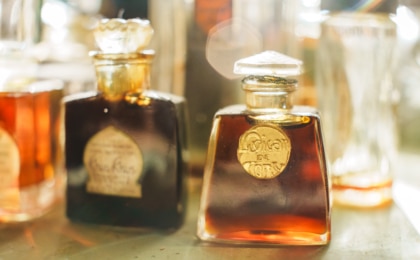
Attar Perfume: The Soul of Scent

Picture this: You open a small glass perfume vial and touch a drop of oil to your skin. The aroma doesn’t hit you all at once, it builds slowly, like
by NW School of Aromatic Medicine
bottle of Rosemary essential oil
Aromatherapy
Herbal Medicine
Incense as Medicine
Plant Profiles
Topical Medicine
June 20, 20250Comments

How to Use Rosemary for Holistic Health

Sure, Rosemary makes a great addition to roasted potatoes and Mediterranean dishes, but its true power lies far beyond the kitchen. For centuries, healers, herbalists, and aromatherapists have turned to
by NW School of Aromatic Medicine
Aromatherapy
Aromatic Recipes
Herbal Medicine
Ritual
Topical Medicine
May 30, 20250Comments

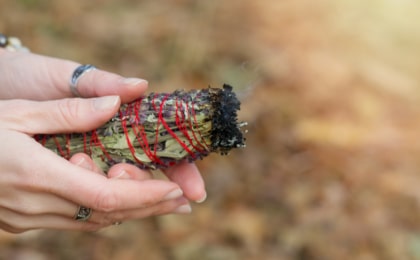
Making Your Own Aromatic & Herbal Remedies

As a plant person, you likely already know this: Aromatic plants and herbs hold incredible healing potential. Beneath their beautiful scents and vibrant leaves lies a world of medicine, just
by NW School of Aromatic Medicine
« Older Articles

aromatic_medicine

🌿 Follow us on Instagram for daily inspiration, plant knowledge, aromatic wisdom, and one-of-a-kind courses 🌿

~ Gums vs Resins ~ Do you know the difference? ~ Gums vs Resins ~

Do you know the difference? 

It’s pretty common to mix up the two, or think they’re the same thing!

Resin and gum are sticky, protective, healing substances that ooze out from a shrub or tree’s bark, each with its own unique chemical composition.

The main differences between gums and resins is that:

- Resins aren’t water soluble, gums are
- Gums are not oil or alcohol soluble, resins are
- Resins contain a high content of volatile aromatics (essential oils) and other constituents
- Gums have a small amount of aromatics, but have their own therapeutic properties, to a lesser degree

Resins are most commonly used in herbalism, aromatherapy, beauty and cosmetic products, perfumery, incense, and other aromatic and therapeutic preparations. 

Gums are mainly used for emulsification, thickening, and for their adhering properties in the pharmaceutical, cosmetics, incense, perfumery, food and beverage, and textile industries.

There are also gum-resins, which are a natural mixture of both gum and resin, that possess the properties of both groups. Examples of gum-resins are Frankincense and Myrrh.
~ Gums vs Resins ~ Do you know the difference? ~ Gums vs Resins ~

Do you know the difference? 

It’s pretty common to mix up the two, or think they’re the same thing!

Resin and gum are sticky, protective, healing substances that ooze out from a shrub or tree’s bark, each with its own unique chemical composition.

The main differences between gums and resins is that:

- Resins aren’t water soluble, gums are
- Gums are not oil or alcohol soluble, resins are
- Resins contain a high content of volatile aromatics (essential oils) and other constituents
- Gums have a small amount of aromatics, but have their own therapeutic properties, to a lesser degree

Resins are most commonly used in herbalism, aromatherapy, beauty and cosmetic products, perfumery, incense, and other aromatic and therapeutic preparations. 

Gums are mainly used for emulsification, thickening, and for their adhering properties in the pharmaceutical, cosmetics, incense, perfumery, food and beverage, and textile industries.

There are also gum-resins, which are a natural mixture of both gum and resin, that possess the properties of both groups. Examples of gum-resins are Frankincense and Myrrh.
Ever wondered how trees heal themselves, and what Ever wondered how trees heal themselves, and what we can learn from them? 🌲

When a storm snaps a branch, the bark splits, and suddenly the tree is vulnerable…but almost immediately, the tree's wisdom begins to stir, creating a golden, aromatic substance. It makes its way through intricate networks of tiny canals towards the wound, sealing it off, protecting it from infection, and slowly restoring what was broken.

This substance is resin. It's the tree’s medicine and means of protection. Its way of surviving in a world that doesn't stop throwing things at it. 

Thousands of years ago, humans were paying close attention to this process. Through simple observation, they began to understand something profound: the same substance trees use to heal and protect themselves could be used in much the same way for us.

In ancient times, resins were applied to wounds, used to guard against infection, and valued for their ability to support the body’s natural healing processes. Over time, people also began to notice these aromatic substances had a powerful effect on the mind and emotions, helping to calm the nervous system, sharpen awareness, and support a deeper sense of presence. 

It’s almost as if resins offered protection for the body, mind, and soul. This is why resins have been used for generations in rituals, ceremonies, and therapeutic practices around the world.

So how do you take this raw, sacred material and turn it into something practical for healing, ritual, and everyday use?

In our Magic & Medicine of Botanical Resins video blog series, we explore exactly that! You'll learn about the vast therapeutic benefits of tree resins, their ritual uses, and creative ways you can begin incorporating them into your own herbal remedies or aromatic creations.

🌲✨ Comment RESIN to get the full video blog series sent straight to your inbox.

Parts 1 and 2 are now live!
“Over every mountain there is a path, although it “Over every mountain there is a path, although it may not be seen from the valley.” 

– Theodore Roethke

__________
#poetry #TheodoreRoethke  #lifeisamountain  #theodoreroethkequote  #climbthemountain  #naturemetaphors
Across cultures and continents, tree resins have p Across cultures and continents, tree resins have played a central role in spirituality, ritual, and sacred ceremony for thousands of years. But why have these substances been so universally revered?

In many spiritual and healing traditions around the world, resins have been viewed as the living essence, or spirit, of the tree itself. When we work with resins, especially when they’re burned as incense, it’s often considered as an invitation for the spirit of the tree to join and support whatever intention we bring to the ritual.

In other traditions, including ancient Indigenous cultures and even Biblical teachings, burning incense or resin is believed to create a direct connection to the spirit world. The rising smoke is seen as carrying prayers and offerings upward, drawing the attention of God, gods, or spiritual forces. 

In fact, many cultures referred to these resins as the “Food of the Gods.” Their aromas were believed to please and appease divine beings more than any other offering.

Because of this, resins have long stood at the heart of sacred ceremonies around the world. The fragrant smoke released from these substances – drawn from the very heart of trees – is offered through fire as a bridge between the earthly and spiritual realms. 

In many traditions, this act is not merely symbolic. The smoke of incense is believed to open a pathway of communication, helping prayers and intentions reach the spirit world more clearly.

*This is an excerpt from our new video blog, The Magic and Medicine of Botanical Resins. 

In the vlog, you’ll discover: 

• What tree resins actually are (and how they differ from sap)
• Why cultures around the world consider them sacred
• Their powerful therapeutic properties
• How they’re used in incense, perfumery, and herbal medicine
• A simple way to begin working with resins at home

🌲 Read the full blog and watch the video at the link in our bio.

--
#treeresin #incenseresin  #harvestingtips  #wildharvesting #sustainableharvest  #incensecrafting  #botanicalresin
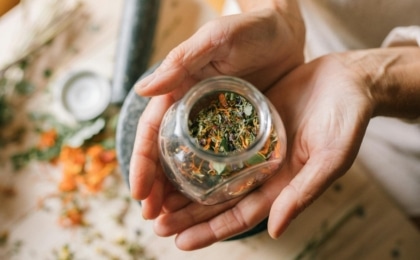
Evan Sylliaasen, founder of the NW School of Aroma Evan Sylliaasen, founder of the NW School of Aromatic Medicine and Higher Mind Incense, explores the Magic and Medicine of Botanical Resins in our new video blog.
You'll discover: 

• Why cultures around the world consider resins sacred
• Their powerful history and therapeutic properties
• How they’re traditionally used in incense, perfumery, and herbal medicine
• Simple steps you can use at home to meditate and tune into the medicine of resins 

🌲 Visit the full vlog at the link in our bio.
How to Harvest Tree Resin 🌲 Did you know you can How to Harvest Tree Resin 🌲

Did you know you can harvest tree resin any time of year? Spring is when it’s often the most abundant.

In North America, the easiest resin-producing trees to find are conifers, including Pine, Fir, Spruce, Juniper, Cedar, Hemlock, and Larch. (Be sure to confidently identify the tree before harvesting!)

The easiest resin to work with is hardened resin that has already dried on the tree. Fresh resin can also be collected, but it’s very sticky and a bit messier to handle. If you do harvest fresh resin, try using a piece of foil (or something similar) to collect it, then allow it to dry for several weeks to months, depending on the species and your climate.

You can also blend fresh resin directly into an incense formula without drying it first.

When harvesting, always gather resin that has flowed away from the tree’s wound. The tree produced that resin to protect itself, so leaving what’s closest to the injury helps keep pests and infection out.

Most importantly, have a good time going out into the forest!

______________
 #treeresin #incenseresin  #harvestingtips  #wildharvesting  #sustainableharvest  #incensecrafting  #botanicalresin
What do ancient Egyptian temples, the art of incen What do ancient Egyptian temples, the art of incense, Aztec healing applications, natural perfumery, topical medicines, and modern meditation practices all have in common?

Tree resins.

For thousands of years, these fragrant substances have been burned as ritual incense, used as traditional medicine, and treasured as sacred offerings across cultures around the world.

But what exactly are tree resins… and why have they been revered for so long?

In our new video and blog, we explore:

🌲 What tree resins are (and how they differ from sap)
🌲 Their powerful therapeutic properties
🌲 Their sacred history across cultures
🌲 A simple way to work with resin incense at home

If you love aromatic herbs, sacred incense, or plant medicine, this is a fascinating world to explore.

Read the blog and watch the full video at the link in our bio.

---
 #treeresin #incenseresin  #harvestingtips  #wildharvesting  #sustainableharvest  #incensecrafting  #botanicalresin
Follow on Instagram

OFFERINGS

  • Aromatic Medicine Garden Membership
  • Incense Crafting Course
  • Botanical Resins & Gums Course
  • Materia Aromatica Ebook

QUICK LINKS

  • About
  • Courses
  • The Aromatic Medicine Blog
  • The School
  • Evan Sylliaasen
  • Contact
  • Privacy Policy
  • Terms & Conditions

FOLLOW US

  • Facebook
  • Instagram
  • Youtube

OUR NEWSLETTER

Stay in the know on new releases and special offers

Loading

support@aromaticmedicineschool.com

© 2026 The Northwest School of Aromatic Medicine, All rights reserved.