
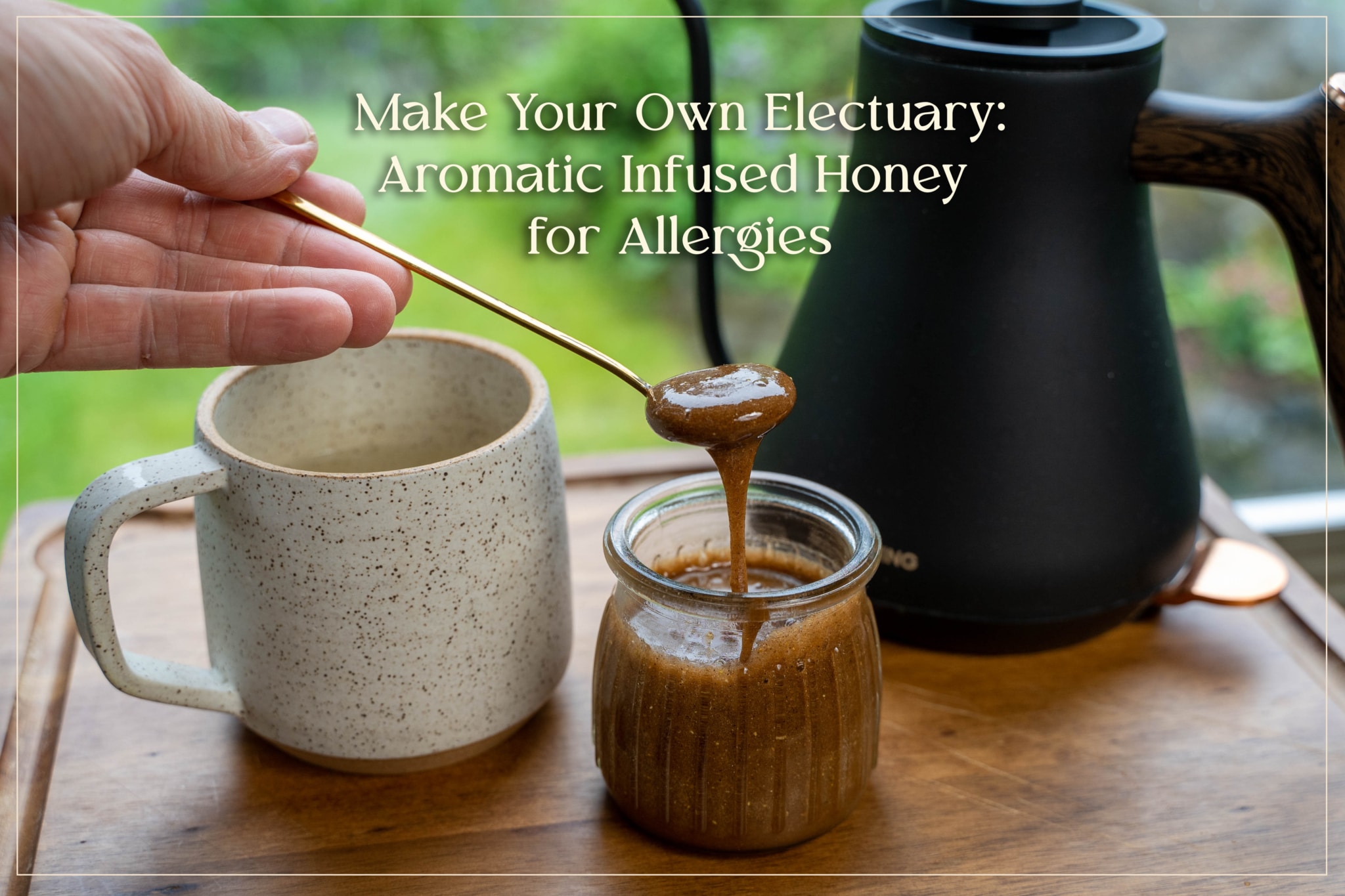
Spring is one of my favorite times of year: tulips, lilacs, cherry blossoms, and that particular quality of sunlight that makes it hard to stay indoors. But alongside all that beauty comes something less welcome: pollen. Lots and lots of pollen.
For many people, the first warm weeks of spring mean watery eyes, a scratchy throat, and sneezing that just won't quit. These are the signs of an immune system working a little too hard against harmless particles floating in the air. And this is where aromatic herbs come in. With their natural affinity for the respiratory system and rich volatile oils, they offer soothing support during allergy season.
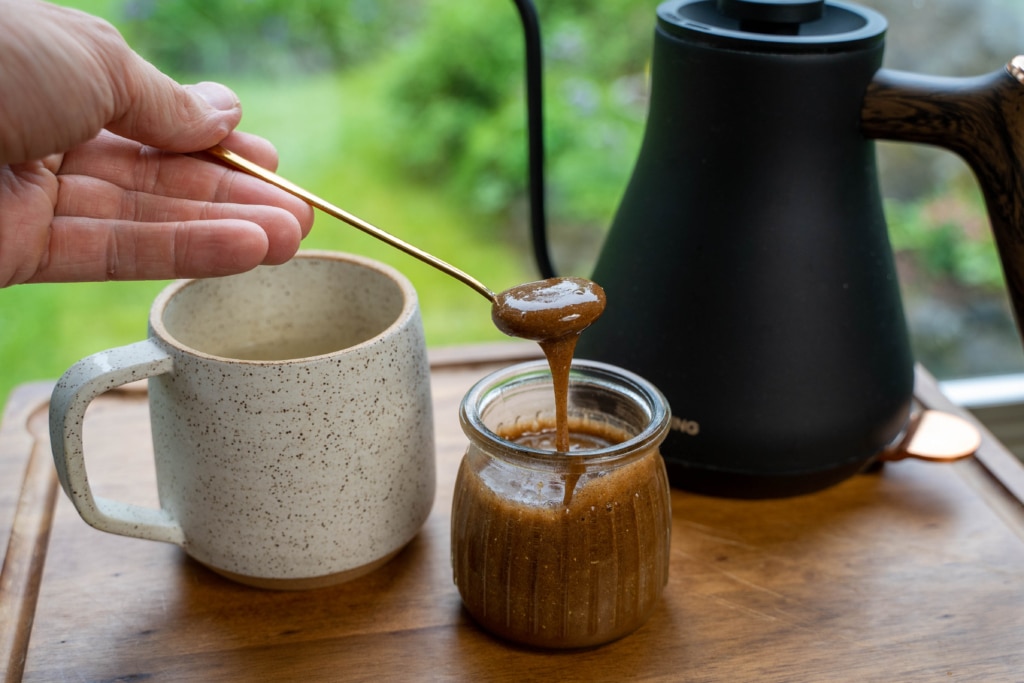
In this guide, we're sharing our favorite aromatic herbal honey recipe for allergies, also known as an electuary (and honestly, it might become your new daily ritual!). It's a simple food-as-medicine remedy that's easy to make, truly delicious, and versatile enough to stir into tea, swirl into breakfast, or blend into mocktails and beyond.
What is an Electuary?
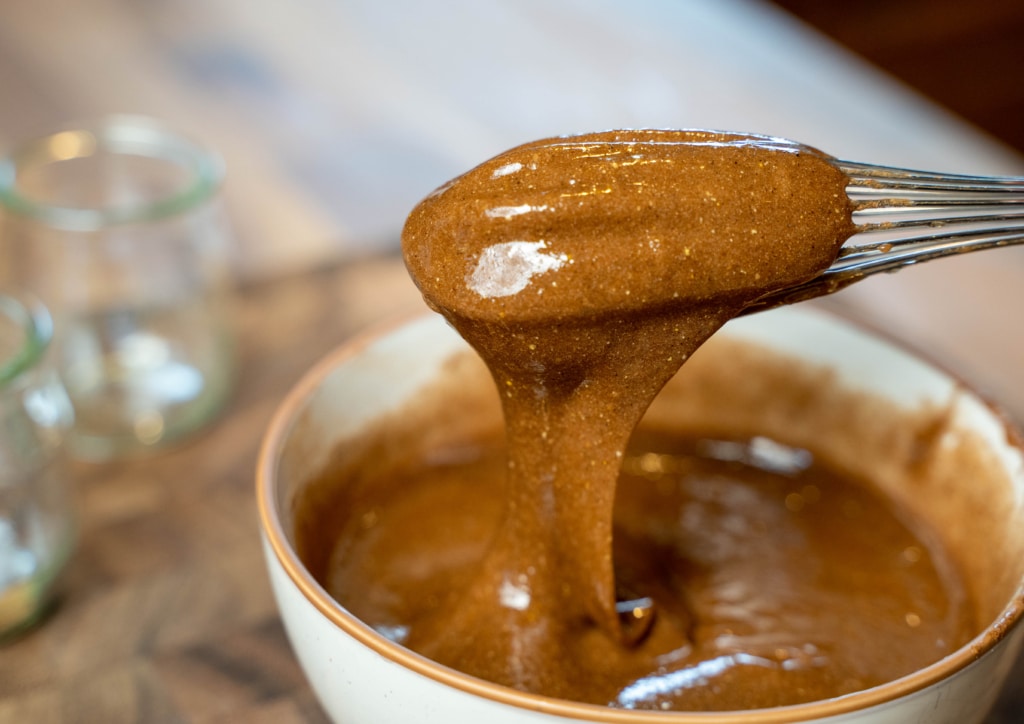
An electuary is really quite simple: it’s a traditional herbal preparation made by mixing dried, powdered herbs with honey. The dried part is important to remember because fresh herbs naturally contain water, and introducing any amount of water or moisture into honey can shorten its shelf life.
The use of electuaries dates back to the 14th century. The word itself comes from the Greek word ekleichein, meaning “to lick up” (and yes, it's that good!). Honey is a natural preservative, and it’s especially good at drawing out and holding onto aromatic compounds, making it a perfect match for scent-rich herbs. It also has a way of transforming bitter or otherwise intense herbs into something surprisingly delicious.
When it comes to choosing your honey, I highly recommend using raw honey! Raw, local honey is traditionally used in herbalism for seasonal allergies, based on the idea that trace amounts of local pollen may help the body adapt over time. While the science is still mixed on that specific claim, raw honey is rich in antioxidants, enzymes, and micronutrients compared to heavily filtered conventional honey, so it’s a great choice in this recipe either way.
Inside the Recipe: Aromatic Herbs for Allergies
Cinnamon
Cinnamon has been treasured in traditional medicine for centuries, from ancient China and Europe to the foundational teachings of Ayurveda, where it has long been used to address everything from colds and flu to digestive and respiratory ailments. In Ayurvedic practice, it is a go-to remedy for soothing coughs, colds, and sore throats, valued as a warming expectorant that helps clear congestion from the chest and restore balance to the lungs. Modern science is beginning to catch up with this ancient wisdom: several studies have identified antihistamine properties in Cinnamon, likely tied to its well-known anti-inflammatory actions (though researchers agree that further investigation is needed). [1][2]
Ginger
Ginger brings the heat! Its warming, stimulating qualities help open the airways and encourage deeper breathing, while its well-documented anti-inflammatory properties work to clear congestion and calm irritated tissue. It's also an expectorant, meaning it helps your body move mucus out, and as a bonus, it's antiviral, making it one of the few herbs that pulls double duty for seasonal allergies and colds. Studies suggest it has natural antihistamine qualities (without the drowsiness that often accompanies OTC medications!). [3]
Cardamom
The warm, spicy-sweet aroma of Cardamom has long been used to support the respiratory system. Its mucolytic and expectorant properties help loosen and clear phlegm, congestion, and excess mucus from the lungs and airways. In traditional medicine and aromatherapy, it is commonly used to ease coughs, colds, bronchitis, asthma, hoarseness, and even loss of taste. It also adds a lovely touch of piney, fruity, and almost minty flavor to this recipe.
Orange Peel
Orange peel does more than add a bright, uplifting energy and citrusy notes; it can also be helpful during allergy season. Its aromatic compounds act as mild expectorants, helping to loosen and move mucus so things don’t feel quite so stuck or congested. It also brings some interesting chemistry to the table. The peel is rich in vitamin C and polyphenols, which support immune function and may help regulate histamine response. On top of that, it contains limonene, a volatile oil studied for its anti-inflammatory effects, which can help soothe irritated airways. Altogether, it works in a few different ways at once, supporting clearer breathing while taking some of the edge off inflammation.
Raw Honey
Honey earns its place in this recipe beyond just making everything taste good! It's a classic natural remedy for coughs and sore throats, thanks to its thick, soothing texture that gently coats the throat. It also has natural antimicrobial and anti-inflammatory properties, which can help calm irritation and reduce swelling from pollen exposure.
For more allergy aromatherapy tips, check out our blog: How to Use Aromatic Plants for Allergies.
Unlock Your Free Issue Of...
🌿 The Aromatic Medicine Garden Membership 🌿
Are you ready for a deeper, holistic dive into the world of aromatic plants? Explore our online educational hub with a free sneak peek issue, including an hour-long Plant Talk & 21-page Plant Monograph pdf full of recipes & step-by-step tutorials for making herbal and aromatic remedies.

Spring Allergy Electuary Recipe
The exact ratio of dried herbs to honey you choose to use will depend on the desired strength and consistency you’re aiming for in the final product. More herbs mean a stronger and thicker electuary, and fewer herbs will result in a thinner texture, and lighter aroma and flavor. Experiment with different ratios to find what you prefer!
The beauty of making an electuary is that you simply leave the herbs in the honey––there’s no need to strain them out! You’ll want to use a large mason jar with a wide mouth so that there’s enough room for all of the ingredients and stirring. Alternatively, you can transfer all ingredients to a large mixing bowl, then use a spatula to scoop your electuary into a glass jar for storage.
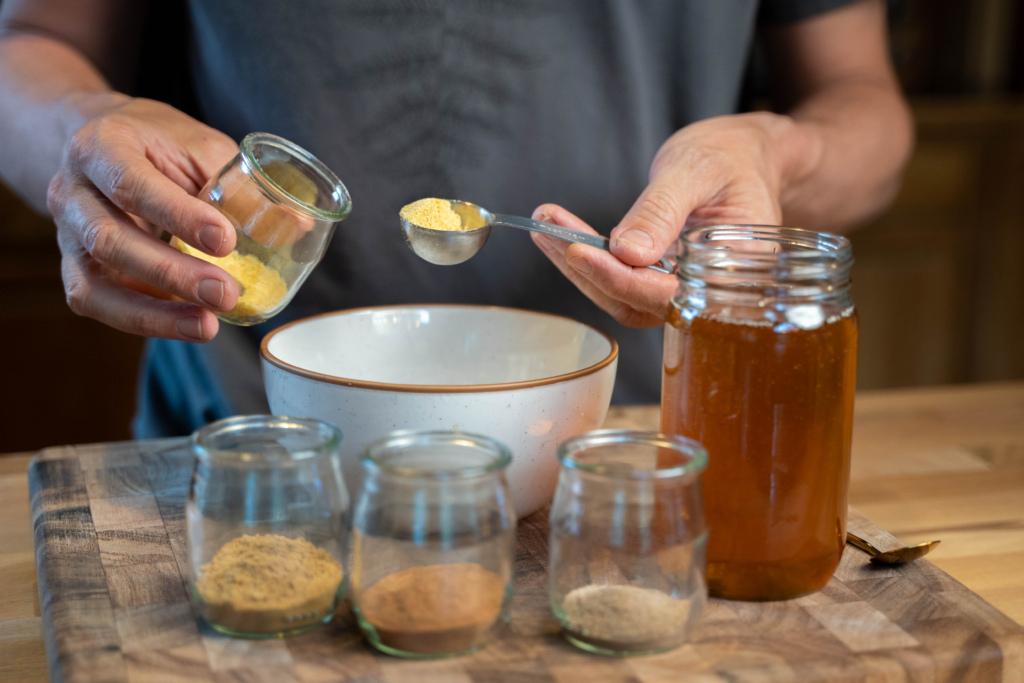
Ingredients*
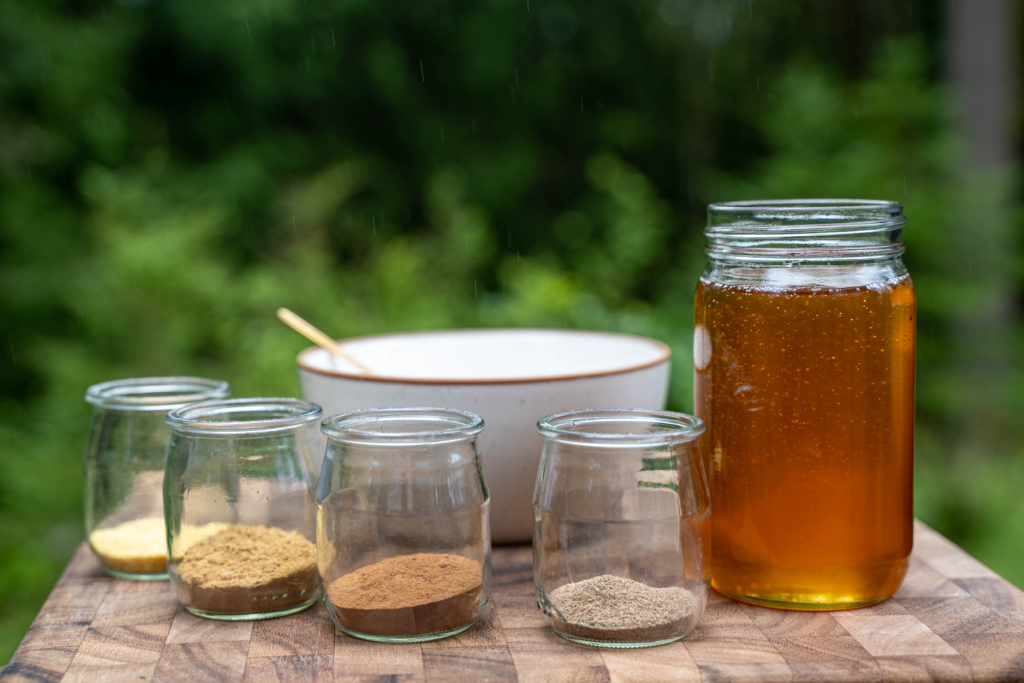
2 cups raw honey
2 tablespoons dried Cinnamon powder
2 tablespoons dried Ginger powder
1 tablespoon dried Orange peel powder (organic)
1 tablespoon dried Cardamom pod powder
Tools:
Stirring spoon, whisk, or spatula
Measuring spoons
Mixing bowl
Clean, wide-mouth glass mason jar with lid
Mortar & pestle, spice grinder, or small blender (optional, for powdering herbs)*
Small pot (optional, for warming honey)
Washcloth (optional, for warming honey)
Label & pen
Notebook
Instructions:
- Pour the honey into a clean, sanitized glass jar, and place the lid on the jar.
- If your honey is thick, you'll want to gently warm it so it's easy to blend in the herbs. Place a washcloth at the bottom of a pot of water, then place the jar on top of the cloth. Make sure the water line is a couple of inches below the lip of the jar (so there’s enough water to adequately warm the honey but not too much that it risks getting water in the jar). Gently warm the honey over low heat, just enough to make the honey more fluid-like to easily mix the herbs in. (If your honey is already quite fluid, you can skip this step entirely.)
- Carefully remove the jar of honey from the pan and remove the lid. Wipe off the water from the sides of the jar before moving on to the next step.
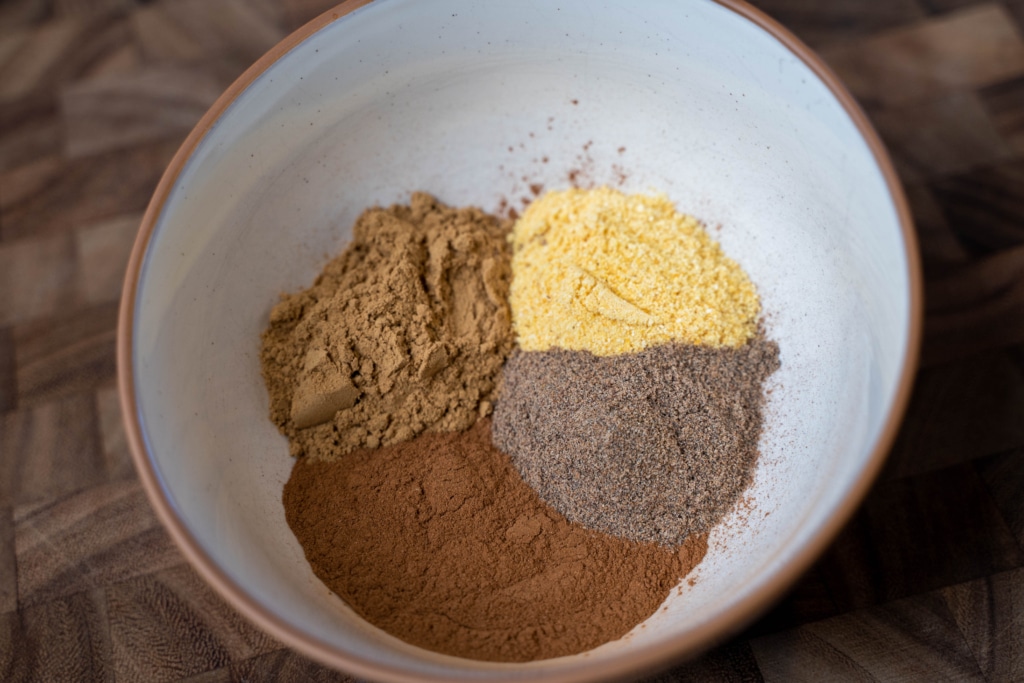
- Measure and add all of the powdered herbs into a mixing bowl and mix them together with a spoon or whisk.
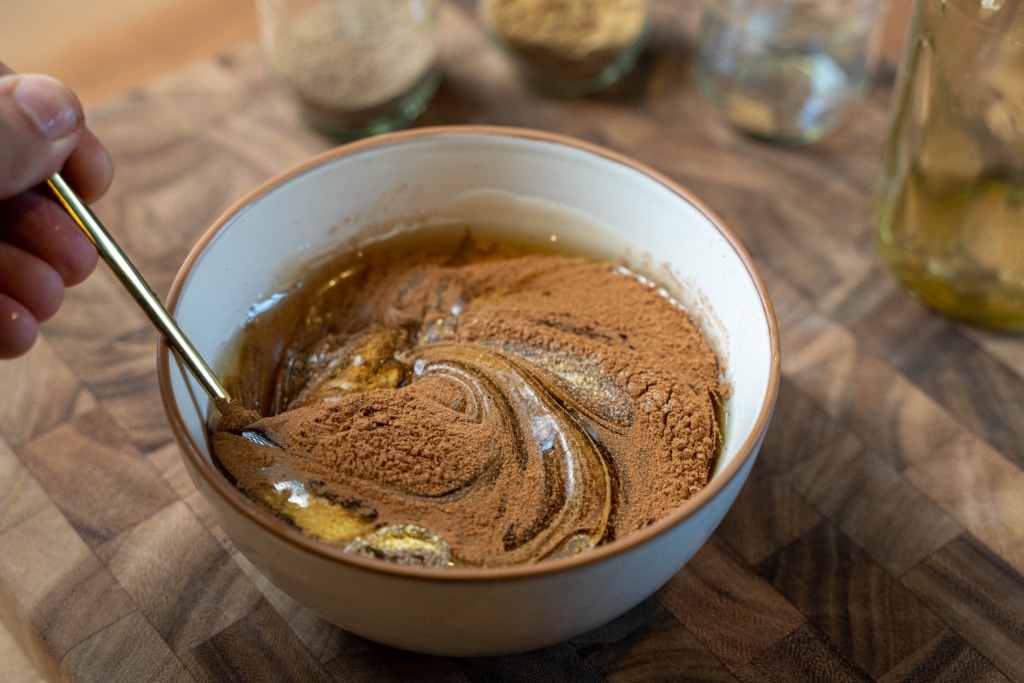
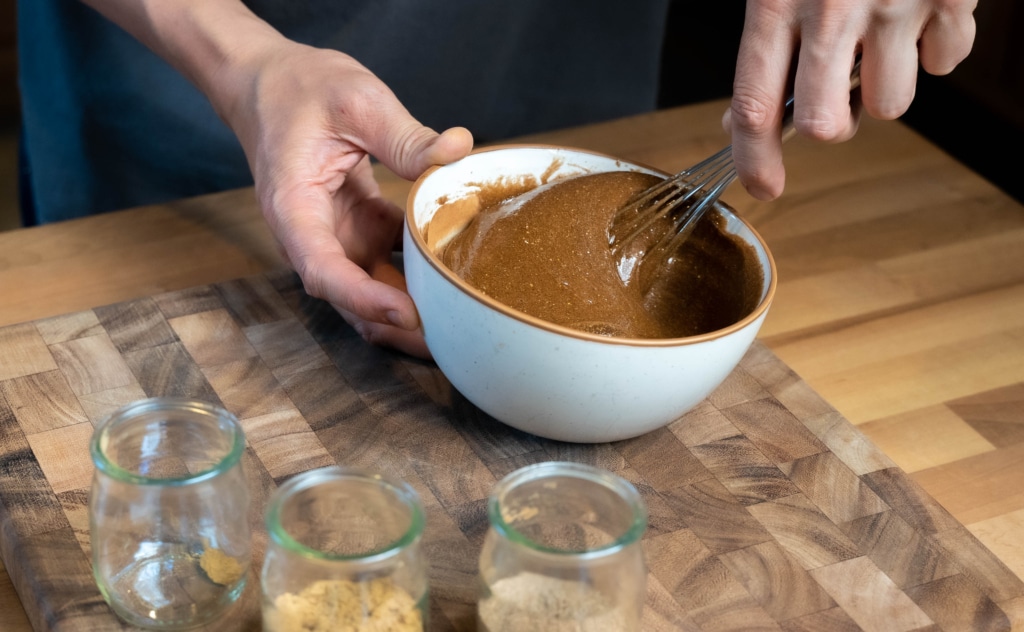
- Slowly add about 1/4 of the powdered herbs into the honey and mix thoroughly. Then add a little more of the powdered herbs and mix. Continue adding herbs and mixing until you no longer see any unmixed powder in your electuary.
- If you warmed up the honey to ease the mixing process, allow the honey to cool, then place the lid on the jar. If you used a mixing bowl, carefully transfer your electuary using a spatula into a glass mason jar for storage.
- Don’t forget to label your jar with the ingredients and the date!
- Store your electuary away from direct light and heat in a cool, dark place, and it should last for 12 months or more (you’ll likely eat it all before then!).
*If you only have dried, chopped plant material to work with (or you’d rather powder the ingredients yourself for a “fresher” taste), you can totally do that! Transfer the dried herbs to a clean spice grinder or mortar & pestle and grind them into a fine powder.
Feel free to play around with the recipe and substitute ingredients! Other aromatic herbs that would work great for allergies and respiratory support include Thyme, Rosemary, Lemon peel, Sage, Pine needles, Licorice root, Peppermint, and more.
How to Use Your Electuary
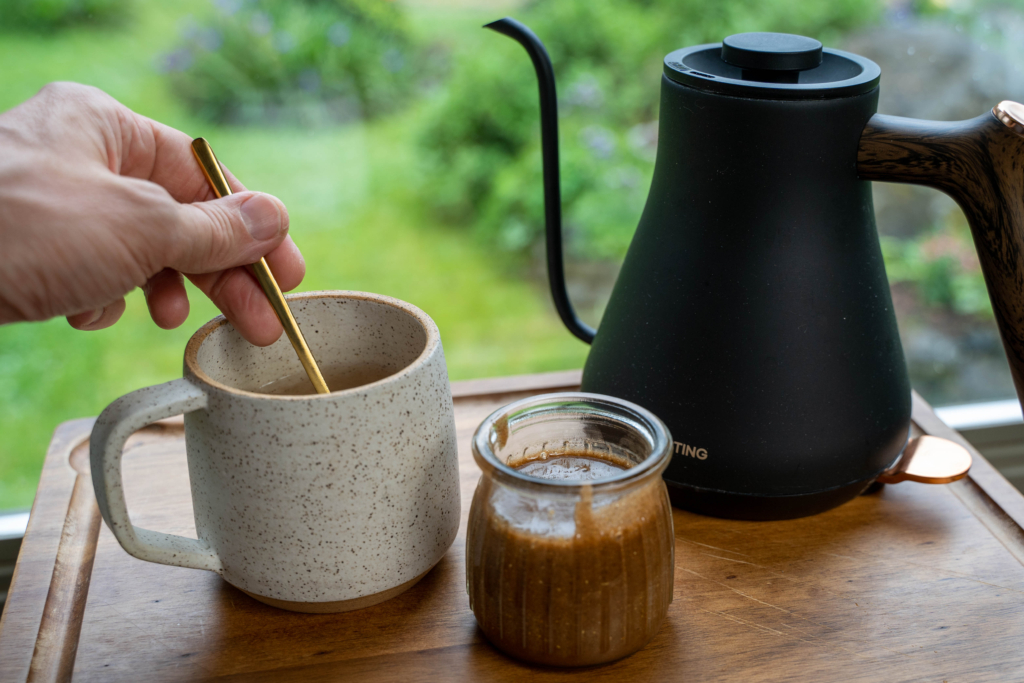
Use your electuary by the teaspoon in hot water for an instant cup of tea, as a sweet herbal spread on top of food or inside culinary recipes, or just eat it by the spoonful! The possibilities are truly endless.
Here are some of our favorite ways to use electuaries:
- Take it straight off the spoon as a daily tonic
- Stir into warm tea, matcha, hot cocoa, or golden milk
- Stir into coffee or lattes
- Use in mocktails or cocktails as an herbal sweetener
- Drizzle over oatmeal, porridge, or chia pudding
- Spread on toast or crackers, or as a dip on a charcuterie board
- Add to yogurt with nuts and fruit
- Use as a topping for pancakes, waffles, or crepes
- Mix into smoothies for both sweetness and herbal benefits
- Drizzle over roasted vegetables (like carrots, squash, or sweet potatoes)
- Use as a glaze for meats or plant-based dishes
- Incorporate into salad dressings, sauces, or vinaigrettes
- Swirl into homemade granola before baking
- Mix into nut butters or seed butters
- Use in any baking recipe that calls for honey
This recipe was inspired by our Aromatic Medicine Garden membership. Inside this immersive online educational hub, you’ll unlock a complete library of plant wisdom, including:
🌿 In-depth Plant Talk video lessons
🌿 Detailed downloadable plant monographs
🌿 Step-by-step herbal preparation tutorials & recipes
🌿 Deep dives in traditional uses, clinical insights, folklore & plant science
🌿 Cultivation and wild-harvesting guidance
🌿 Foundational teachings in aromatherapy & herbalism
Whether you’re just beginning or deepening your practice, the Garden is a space to grow your knowledge and connection with plant medicine.
Join the waitlist to be the first to know when the garden doors open next!
References
1. Lim S, Jeong I, Cho J, Shin C, Kim KI, Shim BS, Ko SG, Kim B. The Natural Products Targeting on Allergic Rhinitis: From Traditional Medicine to Modern Drug Discovery. Antioxidants (Basel). 2021 Sep 26;10(10):1524. doi: 10.3390/antiox10101524.
2. Ose R, Tu J, Schink A, Maxeiner J, Schuster P, Lucas K, Saloga J, Bellinghausen I. Cinnamon extract inhibits allergen-specific immune responses in human and murine allergy models. Clin Exp Allergy. 2020 Jan;50(1):41-50. doi: 10.1111/cea.13507. Epub 2019 Oct 21. PMID: 31573731.
3. Yamprasert R, Chanvimalueng W, Mukkasombut N, Itharat A. Ginger extract versus Loratadine in the treatment of allergic rhinitis: a randomized controlled trial. BMC Complement Med Ther. 2020 Apr 20;20(1):119. doi: 10.1186/s12906-020-2875-z.
Article Written By Melissa Szaro

© 2026 The Northwest School of Aromatic Medicine. All rights reserved.
*The statements above have not been evaluated by the FDA, and are for educational purposes only. This article is not intended to diagnose, treat, cure, or prevent any disease. This article should not be taken as medical advice. Please consult your physician before you use this information for health purposes.
