
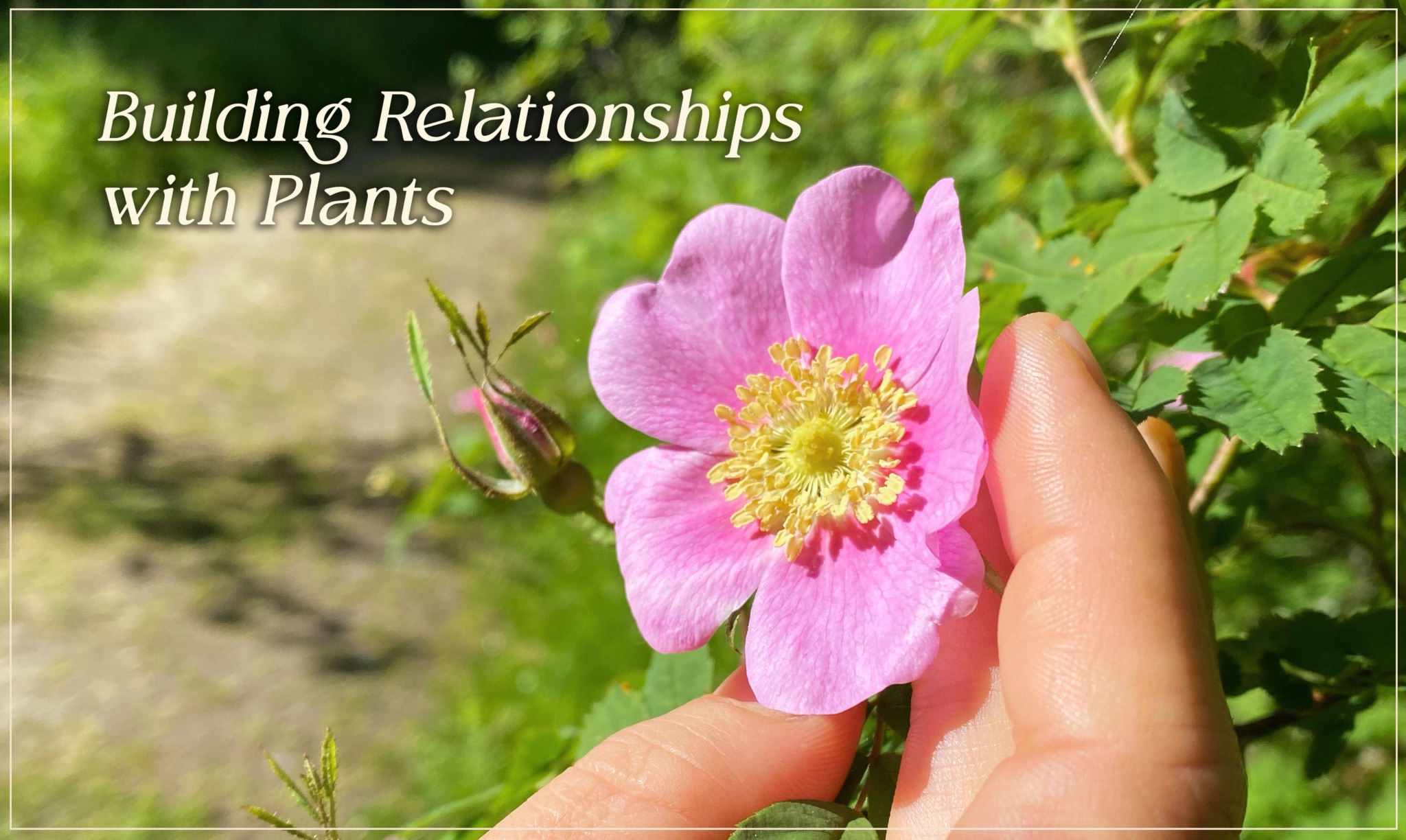
When I was in herbal school, I had the privilege of learning about medicinal plants in many different ways, through hikes, wild-harvesting camping trips, and long, detailed classroom lectures. Each experience opened new pathways into the endless wisdom of the botanical world.
One day, our herbal teacher guided us through a plant meditation. Sitting in a circle, we each tasted a fresh plant tincture without knowing what herb it was. Then we sat quietly for several minutes, asking ourselves a simple question: How does this herb make me feel? We wrote down our observations as sensations, emotions, memories, and imagery arose.
Afterwards, classmates began sharing their experiences. One person described feeling as though a warm hug had enveloped their entire body, bringing comfort and ease. Another said they finally felt able to take a deep breath. Someone else shared that they felt joyful, seeing visions of honeybees buzzing through a warm spring field. Another said their grief felt lighter, like the feeling of walking along the ocean as a cool breeze washes over your soul.
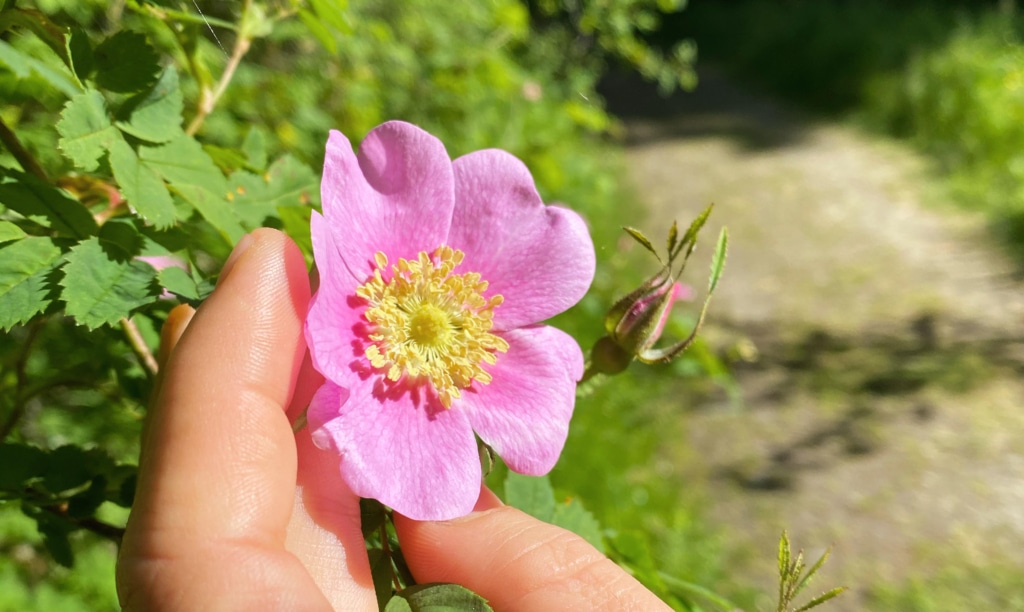
At the end of the meditation, our teacher revealed the plant we had been sitting with was Wild Rose. The tincture had been made from fresh petals harvested along the cliffs of the Oregon coast — where honeybees were actively pollinating the flowers at that very moment.
Little did I know, my teacher was giving us a gift that would forever shape the way I work with plants: the understanding that one of the most powerful ways to truly know a plant is through direct sensory experience.
In a world that often treats plants as products or commodities, aromatic medicine invites us into something deeper, a way of learning rooted not only in collecting information but in cultivating knowledge through lived experience, observation, and relationship. Let’s explore ways you can deepen your relationship with plants, and in the process, learn more about the natural world beyond what any book can teach you.
Moving Beyond "What Can This Plant Do for Me?"
Modern herbal education often begins with utility: What is this herb good for? What are its actions? What symptoms does it address? While these are important questions, they can also unintentionally shape the way we relate to plants, reducing them to products or commodities existing solely for human use. But deep down, we know plants are far more than that.
Plants are living, intelligent beings participating in vast and intricate ecosystems. They communicate with one another through underground fungal networks and airborne chemical signals, warning nearby plants of incoming pests or environmental stress. They release aromatic terpenes not only to attract pollinators, but also to protect themselves, adapt to their surroundings, and interact with the living world around them.
They nourish ecosystems, stabilize soil, create oxygen, provide shelter, and sustain countless forms of life — including us. When we begin to see plants only through the lens of “What can this do for me?”, we risk losing sight of this.
The same is true in human relationships. We can’t truly know someone simply by learning their name, occupation, or what they can offer us. (Nor is that a way to develop a healthy, reciprocal relationship!) There is something deeper beneath the surface level: their personality, energy, and way of being in the world. Plants are no different. This is why cultivating relationships is so important.
When the relationship is lost, respect is often lost too. But when we shift our perspective from asking “What is this plant good for?” to “Who is this plant?”, we move away from commodity and into connection. We begin to approach the plant kingdom with curiosity, presence, humility, and wonder. We shift from consumer to student, with plants as our teachers. And perhaps that is where true herbal wisdom begins.
We talk more about this in our blog: Why True Plant Wisdom Goes Beyond Facts & Recipes
Gathering Information vs. Cultivating Knowledge
Learning the Latin names of plants, memorizing medicinal actions, studying botany, and understanding aromatic constituents are all valuable parts of plant education, but information alone is not wisdom. True plant knowledge is cultivated through lived experience, direct interaction, and relationship over time. It develops when we sit beside a plant season after season, observe how it grows, notice how it smells after the rain, taste its bitterness or sweetness, meditate with it, and begin to recognize how it makes us feel in both body and soul.
Information builds a strong foundation, and cultivating knowledge is a lifelong practice of deepening plant wisdom. Through this process, plants slowly move from a monograph into real life, and begin to reveal themselves as teachers with distinct personalities and stories to share.
Unlock Your Free Issue Of...
🌿 The Aromatic Medicine Garden Membership 🌿
Are you ready for a deeper, holistic dive into the world of aromatic plants? See what our membership is all about with your free sneak peek issue, including an hour-long plant talk and a 21-page plant profile pdf full of recipes and insights.

Learning About Plants Through the Senses
So, how do we begin cultivating deeper relationships with plants? How do we shift our perspective from asking, “What is this plant good for?” to “Who is this plant?” One of the most powerful ways is through direct sensory experience, slowing down to tap into our senses and be present with the living world around us.
Sight: Witnessing Plants in Their Ecosystem
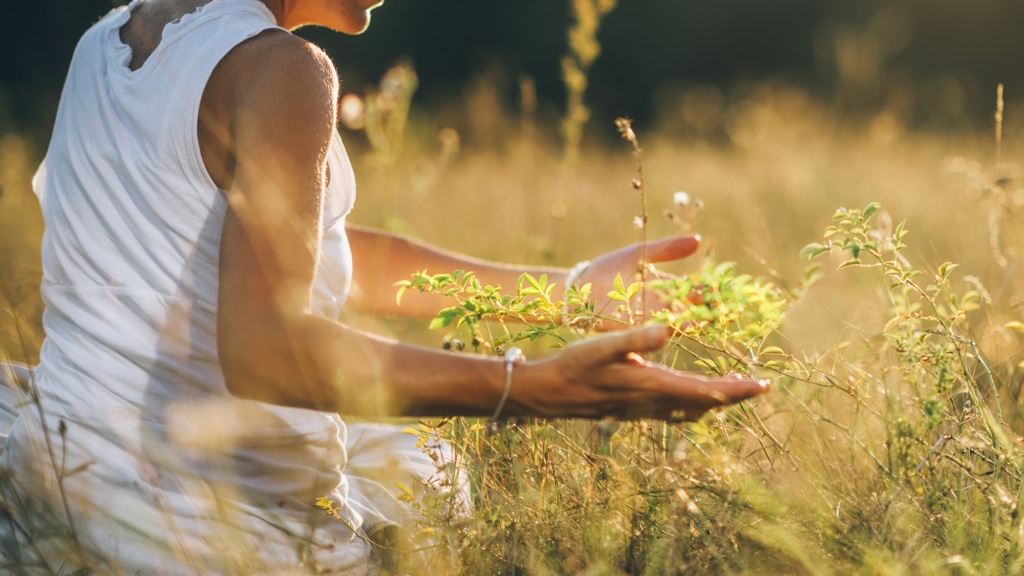
One of the best ways to cultivate a relationship with a plant is to simply spend time with it! Sit beside it in the garden, visit it in the wild, or observe it closely throughout the seasons. Notice the quality of the soil it grows in, the amount of sunlight it receives, the shape of its leaves or flowers, the way it moves in the wind, and the conditions it needs to thrive. Watch which pollinators are drawn to it and which companion plants grow nearby. Every detail offers insight into the plant’s personality and ecological role.
Plants cannot walk away from their environment — the places they thrive tell us a lot about who they are. Their adaptations tell a story. Juniper, for example, can flourish in harsh, dry climates where other plants struggle to survive, reflecting its traditional use in aromatic medicine as a plant associated with resilience, protection, and inner strength.
Vetiver roots are strong and burrow deep beneath the soil, and the plants are often grown for erosion control and bioremediation. It is no coincidence that the rich, grounding aroma of Vetiver is one of the most stabilizing in aromatic medicine, helping us feel rooted and steady amid life's turbulence. Lemon Balm, on the other hand, thrives in lush gardens with rich soil and gentle sunlight, mirroring its soothing nature and long-standing reputation for calming the nervous system and lifting the spirit.
Sight: Observation & Drawing
Even if you don’t have access to a living plant, you can still cultivate a relationship through observation and drawing. Sketching a plant invites us to slow down and notice details we might otherwise overlook: the shape of a leaf, the structure of its flowers, the texture of the stem, or the way the plant grows toward the light. This process helps us internalize the plant’s structure and presence in a different way.
And don’t worry — you do not need to be an artist! The goal is not perfection, but attention. You may be surprised by how much more intimately you begin to know a plant simply by taking the time to observe it carefully.
Try This:
Spend 10-15 minutes sketching a plant from life, a photograph, or even from memory. As you draw, pay close attention to:
- Leaf shape
- Flower patterns
- Texture
- Growth habit
- Color variations
- The overall feeling or expression of the plant
Learning Through Taste & Aroma
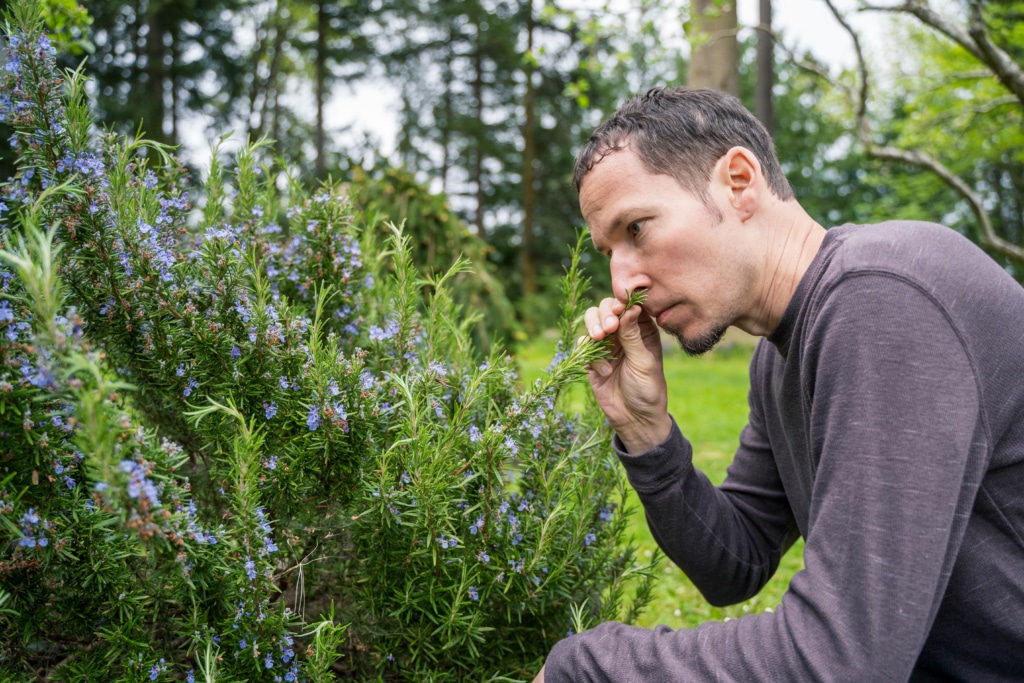
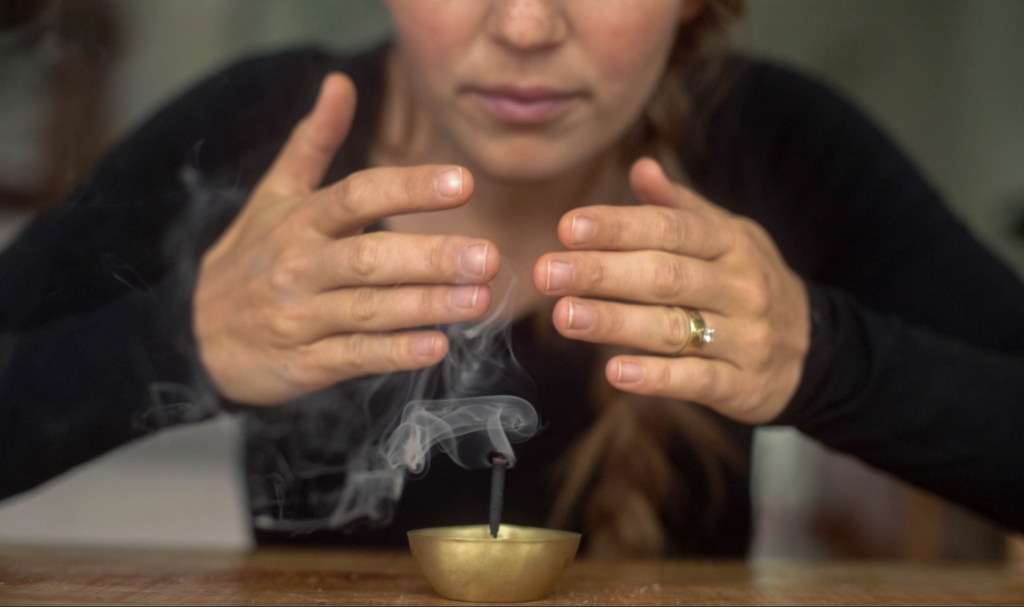
Taste and aroma are direct pathways into relationship with aromatic plants, revealing not only practical information about a plant, but also personal insights into how that herb interacts with our own unique body, emotions, and constitution. This process can be super simple, like crushing a fresh sprig of Mint between your fingers, or rubbing the leaves of Lemon Balm and inhaling its bright citrusy aroma. Ask yourself: What aromatic notes do I sense? How does this aroma make me feel? Observe not only what you feel physically in the body, but also emotionally and energetically.
If the plant is safe for consumption, take a nibble and notice how its scent evolves and unfolds into a flavor profile. As you taste, slow down and pay attention to the experience fully: the texture, moisture, bitterness, sweetness, pungency, or other sensations that arise. Does the plant feel uplifting, grounding, clarifying, cooling, comforting, energizing, calming, or something else entirely?
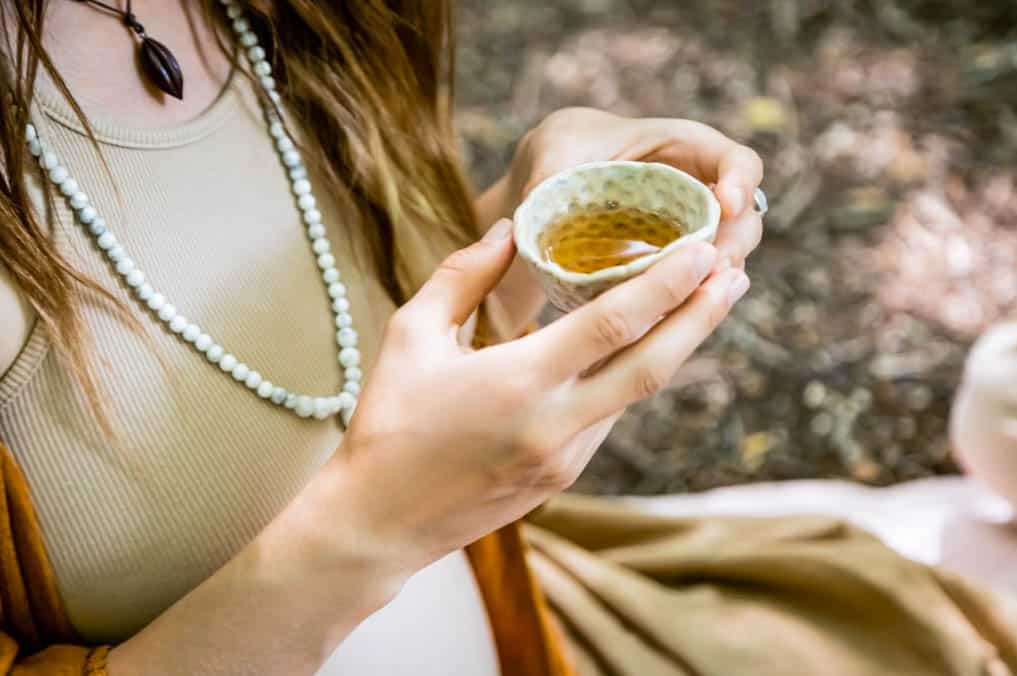
Over time, you might deepen this sensory exploration through tincture tastings and aromatic tea meditations. You can also explore the plant’s aroma in its many forms: fresh plant material, essential oil, hydrosols, infused oils, incense, and more. Each preparation reveals a slightly different expression of the plant’s personality and teaches us something new about its nature. Keeping a journal of your observations can become an invaluable part of this practice, helping you notice patterns, differences, and map out your personal connection with each plant.
For more details on these practices, check out our Aromatic Tea Meditation Guide here.
Note: Always properly identify plants and confirm they are safe for consumption before ingesting them. We do not recommend taking essential oils internally, as they are highly concentrated extracts that can be irritating or harmful when consumed.
The Plant Path is a Lifelong Journey
One of the most beautiful parts of learning about plants in this way is discovering how our direct experience can validate — and sometimes even expand upon — traditional herbal knowledge. You may notice effects or emotional impressions that are not written in any textbook, yet still feel profoundly true. Approaching plants in this way, with openness and curiosity, invites them to become our teachers, revealing layers of understanding that can only emerge through relationship and experience.
This is, at its heart, a lifelong journey. There will never be a morning when you wake up and feel you have learned everything there is to know about plants. But this is not a limitation; it is a gift. As Erika reminds us, plant learning is not a destination. It unfolds across years and seasons, and the further you walk, the richer the terrain becomes. New seasons bring new observations, and familiar plants might surprise you. The plants have been here long before us, and they are patient, generous teachers when we slow down, pay attention, and show up with an open mind and open heart.

Deepen Your Relationship With Plants
If you feel called to truly connect with plants, the Aromatic Medicine Garden was created for you. This is our immersive online educational hub where plant learning becomes relationship: one herb and one preparation at a time.
Inside the Garden, you’ll learn directly from Erika Galentin, herbalist, aromatic medicine practitioner, and Executive Director of the American Herbalists Guild, with teachings on plants, preparations, and traditional wisdom through the lens of herbalism & aromatherapy.
You’ll explore in-depth Plant Talks, detailed monographs, sensory learning practices, remedy tutorials, science, folklore, cultivation guidance, recipes, rituals, and live Q&A calls all within a supportive learning community.
Video features Erika Galentin

Words written by Melissa Szaro

© 2026 The Northwest School of Aromatic Medicine. All rights reserved.
*The statements above have not been evaluated by the FDA, and are for educational purposes only. This article is not intended to diagnose, treat, cure, or prevent any disease. This article should not be taken as medical advice. Please consult your physician before you use this information for health purposes.
