
My friend and I were sitting together recently, enjoying the warm spring afternoon light in the park, talking about everything and nothing. At some point, the conversation turned, as it often does, to aging. "I swear I found three new gray hairs this week," I said, half-laughing, half-not. I remarked about how the faint lines around my eyes had somehow suddenly become so… noticeable.
I'll be honest: I felt a small pang of something. Discouragement, maybe? Like time was slipping by. But then my friend said something I haven't been able to stop thinking about: "I cherish my wrinkles and laugh lines. They tell the stories of my years of joy and laughter." And just like that, something in me shifted.
That single moment was enough to reframe my perspective. It was a gentle reminder that aging isn't a problem to be solved, but a natural, dynamic process unfolding in us, as it has in every human who has ever lived a full and meaningful life. Many of us, and especially women, are taught to believe that aging is the enemy. Advertisements for expensive skincare products and Botox reinforce that narrative. But aging is not our opponent; it's a natural part of being alive, something to support rather than fight.
In the world of aromatic medicine, this similar mantra is something we return to again and again: plants don't "treat problems," they support bodies. And when it comes to aging skin, aromatic plants have so much to offer in that spirit; not to reverse the clock or erase the evidence of a life well-lived, but to nourish, strengthen, and bring radiance to skin that is constantly, beautifully renewing itself.
In this post, we’ll explore how aromatic plants support skin vitality, elasticity, and regeneration, highlight some of the most effective anti-aging aromatic herbs and essential oils (and how they work), and share a few beautiful anti-aging remedies, including one of my favorite facial oil recipes that has become a staple in my own skincare ritual.
Understanding Aging Skin
To understand how aromatic plants can support aging skin, it helps to understand what's actually happening beneath the surface as we age.
Over time, proteins like collagen and elastin (the ones responsible for keeping skin firm and supple) begin to gradually decline, leading to what we recognize as fine lines and wrinkles. Oil glands slow their production, leaving skin feeling drier and less resilient. The skin itself becomes thinner and more delicate, more vulnerable to the elements. Sun exposure accumulates over the years, showing up as uneven pigmentation and sun spots. And as cellular turnover begins to slow, that luminous, youthful glow can feel a bit more elusive.
Much of this is influenced by oxidative stress—something that’s nearly impossible to avoid entirely in the modern world. It occurs when free radicals outpace the body’s antioxidant defenses, fueled by everyday exposures like environmental toxins, UV radiation, chronic stress, alcohol, and tobacco. Over time, this contributes to the visible changes in the skin’s structure and function. And yet, these shifts are a natural part of being human.
The lifestyle choices we make (like protecting our skin from the sun, eating well, and staying hydrated) can help support the skin along the way. But ultimately, it’s important to remember that this is part of the body’s natural rhythm. The goal isn’t to stop the process, but to support the skin as it evolves. And this is where aromatic plants truly shine.
How Aromatics Support Skin Health
Aromatic herbs and essential oils work in alignment with the body, offering support and balance through the changes life brings. They can provide antioxidant protection, support skin regeneration, soothe inflammation, and help maintain the skin’s natural resilience.
Let’s break down some of the most common actions of aromatic herbs and how they can help support the skin:
- Astringent: Astringent herbs tone and tighten the skin by gently contracting the tissues. This action helps to minimize the appearance of enlarged pores, improve skin texture, and support overall firmness. Astringents are particularly helpful for aging skin that has begun to lose some of its elasticity, offering a natural way to restore a sense of lift and tone without stripping the skin of its natural balance. Astringents can be drying, and work well when balanced with moisturizers.
- Anti-inflammatory: Chronic, low-grade inflammation, sometimes called "inflammaging," is now recognized as one of the key drivers of skin aging. Aromatic plants with anti-inflammatory properties help calm irritation, reduce redness, and quiet the inflammatory processes that, over time, contribute to the breakdown of collagen and healthy skin tissue. Soothed skin is skin that can focus its energy on repair and renewal.
- Antioxidant: Antioxidants are the body's answer to oxidative stress. Many aromatic herbs are rich in antioxidant compounds like polyphenols, flavonoids, and volatile oils that help neutralize free radicals before they can cause damage to skin cells and connective tissue. Regular antioxidant support is one of the most powerful ways to boost skin vitality.
- Emollient: Emollient herbs and plant oils soften and smooth the skin by forming a protective layer that seals in moisture and supports the skin's natural barrier function. As oil production slows with age, this kind of nourishing support becomes increasingly important. Emollients help skin feel supple, balanced, and resilient, restoring some of the dewy softness that tends to diminish over time.
- Skin regeneration: Perhaps the most remarkable thing aromatic plants can offer aging skin is support for its innate ability to renew itself. Certain herbs and essential oils encourage cell turnover, stimulate circulation, and promote the production of collagen and new skin tissue. Rather than masking the signs of aging, regenerative aromatics work at a deeper level, gently encouraging the skin to do what it has always known how to do. These plants encourage the skin’s natural regenerative processes, helping to maintain vitality, smoothness, and a healthy, radiant appearance.
- Aroma & emotional support: The aromatic experience itself is an essential part of the equation. Many essential oils have a calming effect on the nervous system, helping to ease stress, anxiety, and tension while bringing a sense of balance to the emotional body. Supporting the nervous system in this way doesn’t just benefit the skin; it helps the entire body move through the aging process with more ease. And just as importantly, it softens our relationship to aging, allowing us to meet it with greater acceptance and grace.
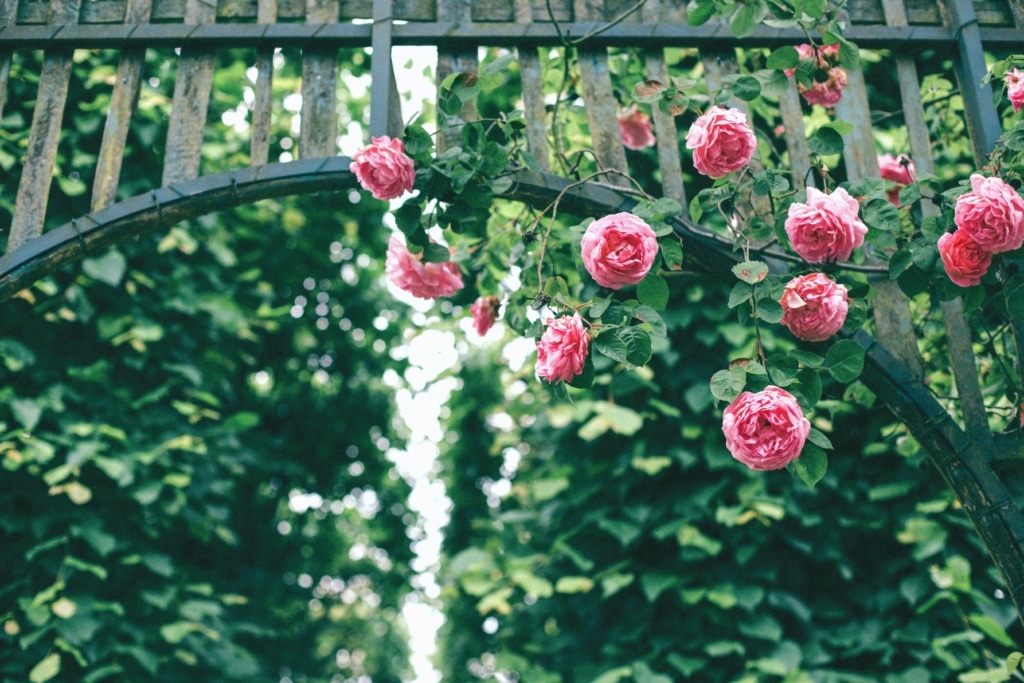
8 Anti-Aging Aromatic Herbs & Essential Oils
Rose (Rosa spp.)
There is something almost timeless about Rose. It has been treasured in skincare and medicine for centuries, and for good reason. Rose essential oil is rich in phytochemicals, including geraniol, nerol, citronellol, linalool, and eugenol, which give it potent anti-inflammatory, antibacterial, and antioxidant properties [1]. Geraniol in particular has been studied for its ability to protect skin cells against oxidative stress, one of the key drivers of skin aging we explored earlier.
Cooling, toning, and purifying, Rose helps reduce puffiness, calm redness and inflammation, and soften the appearance of wrinkles over time. Rosewater—or Rose hydrosol, the aromatic water produced during steam distillation—is one of the most well-known and accessible ways to work with this plant, and makes for a beautiful daily toner and rejuvenating facial mist.
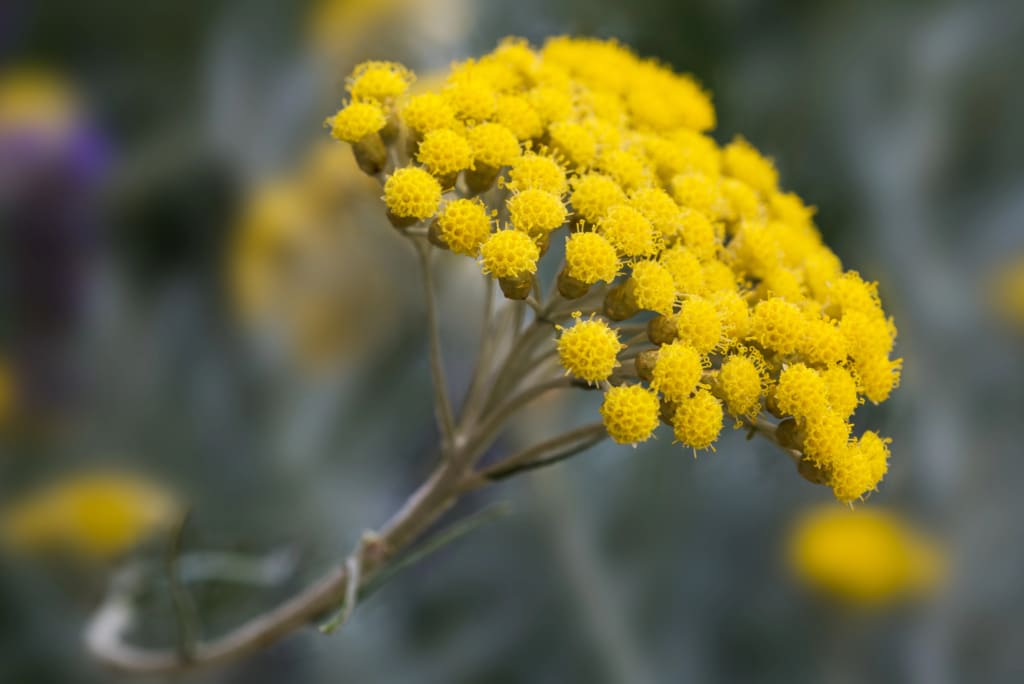
Helichrysum (Helichrysum italicum)
Helichrysum is something of a legend in the world of aromatic skincare, earning nicknames like Immortelle and Everlasting for its remarkable ability to support vitality and renewal. It is especially known for promoting skin regeneration and has been traditionally used to support the healing of bruises, scars, chronic inflammation, and lingering injuries. Its action is often described as “moving stagnation,” encouraging healthy circulation while gently supporting the body’s natural repair processes.
On a deeper level, Helichrysum is believed to support collagen and elastin production, helping to maintain firm, resilient skin and soften the appearance of fine lines. Emerging research also points to its potent anti-inflammatory and antioxidant activity, suggesting it may help neutralize free radicals and reduce oxidative stress over time––two key factors in the aging process [2].
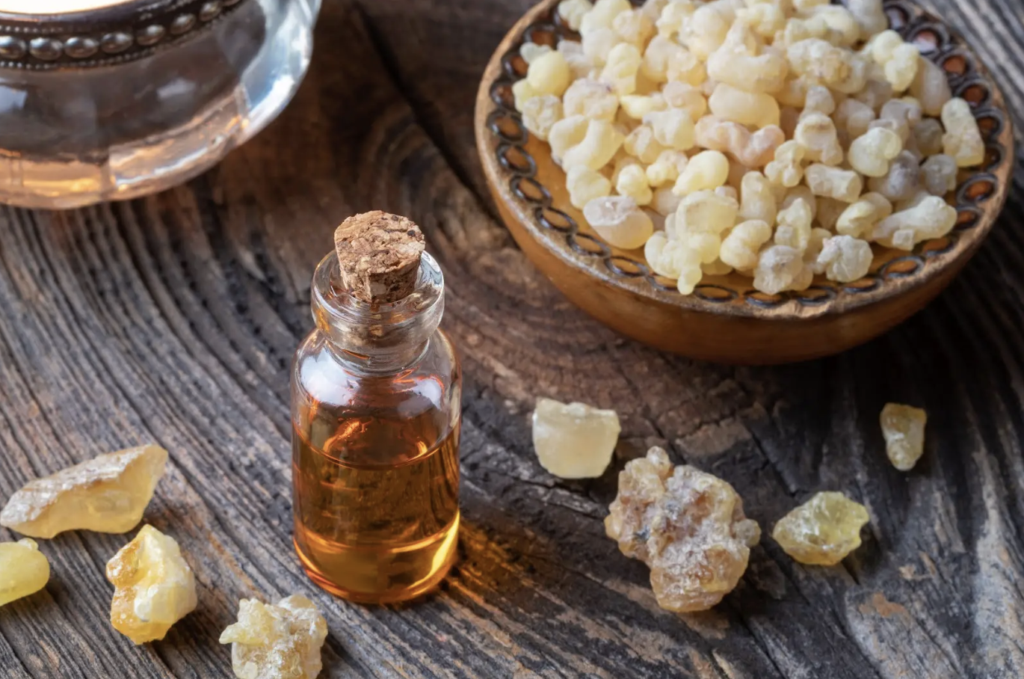
Frankincense (Boswellia spp.)
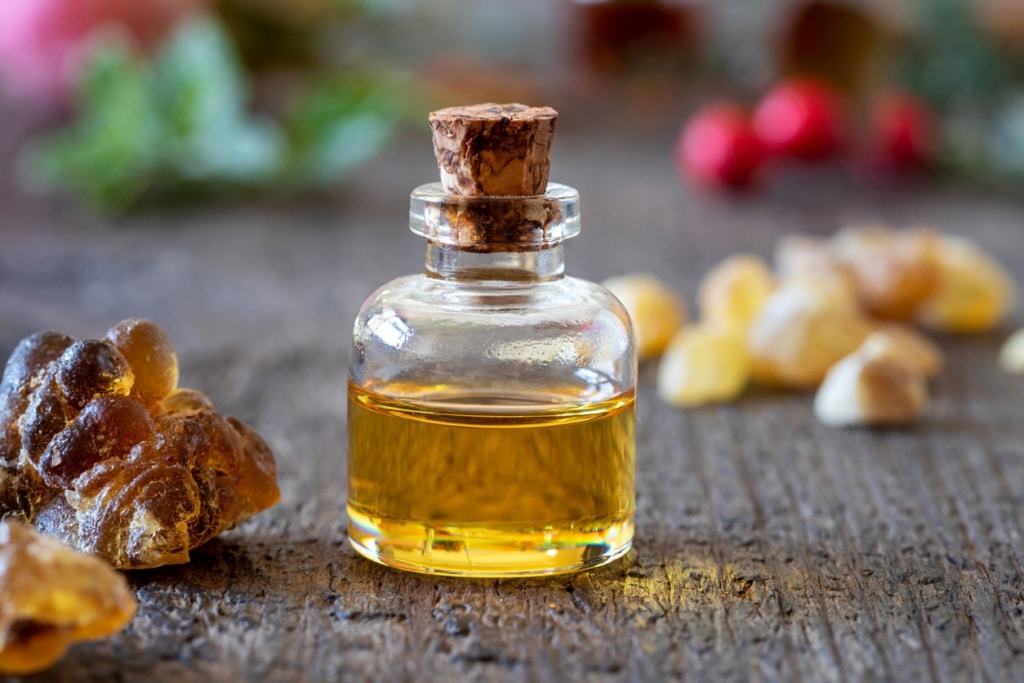
Frankincense has been revered in skincare and aromatic medicine for thousands of years, and modern research is beginning to affirm what traditional practitioners have long understood. Rich in anti-inflammatory and antioxidant compounds—including terpenoids like limonene and alpha-pinene—it helps calm chronic inflammation (a key driver of skin aging) while protecting against free radical damage and UV-induced stress [1]. Frankincense is also known to support collagen synthesis, helping the skin maintain its elasticity and resilience over time [1]. Traditionally, it’s considered a cicatrisant, an herb that supports skin regeneration and the healing of scars, blemishes, and dry or mature skin.
However, there’s an important nuance to understand when working with Frankincense: some of its most profound skin-supportive compounds, known as boswellic acids, are fat-soluble and not present in the essential oil. Because these compounds don’t carry over through steam distillation, they’re best accessed through whole-resin preparations, such as oil infusions. Working with the full resin allows you to experience a more complete spectrum of its skin-nourishing benefits.
Note: Many species of Frankincense are currently endangered or threatened. Our sister company, Higher Mind Incense, offers sustainably sourced Frankincense resin here.
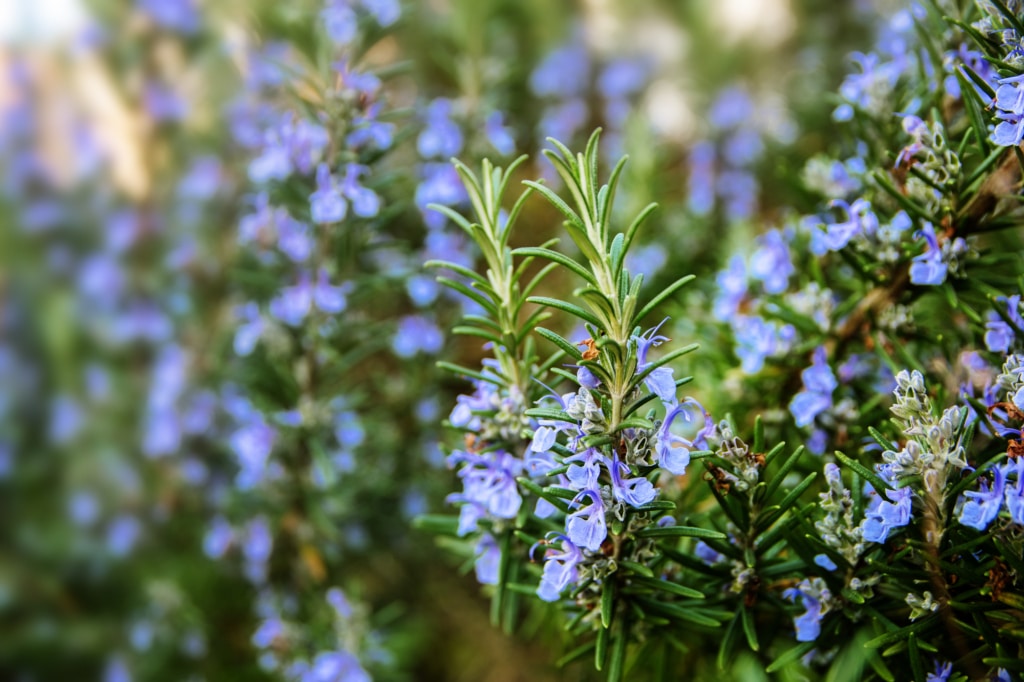
Rosemary (Rosemarinus officinalis/Salvia rosmarinus)
Rosemary is one of those aromatics that seems to bring an immediate sense of vitality to the skin. One of its most notable qualities is its ability to stimulate circulation and support lymphatic movement, helping to bring fresh blood flow to the surface, often translating to a brighter, more radiant complexion over time. It’s also rich in antioxidant compounds like rosmarinic acid, which help defend against oxidative stress and free radical damage—two of the primary drivers behind the breakdown of collagen and skin elasticity. In this way, Rosemary becomes a powerful ally in supporting the skin’s long-term resilience.
At the same time, Rosemary offers gentle anti-inflammatory support, helping to calm redness, reduce puffiness, and subtly tone the skin with consistent use. Its antimicrobial properties lend it a clarifying, purifying quality as well, supporting a clear and balanced complexion [1]. There’s something fitting about Rosemary appearing in skincare in this way—a plant long associated with memory and vitality, offering the skin the same sense of clarity, brightness, and renewal it has symbolized for centuries.
Unlock Your Free Rosemary Issue in...
🌿 The Aromatic Medicine Garden Membership 🌿
Are you ready for a deeper, holistic dive into the world of aromatic plants? See what our membership is all about with your free sneak peek Rosemary issue, including an hour-long plant talk and a 21-page plant profile pdf full of recipes and insights.

Geranium (Pelargonium graveolens)
Geranium is a beautifully well-rounded aromatic for mature skin, offering antioxidant, anti-inflammatory, antibacterial, and astringent properties all in one. Its gentle astringency helps tone and tighten the skin, supporting a smoother appearance and improving overall texture and firmness over time. At the same time, its antioxidant activity helps defend against oxidative stress—one of the primary drivers of skin aging—supporting the integrity of deeper structures like collagen and elastin.
Geranium also carries a uniquely balancing quality that makes it especially versatile across skin types. It helps regulate sebum production, supports moisture balance, and can gently improve the appearance of uneven skin tone or sun spots—common concerns that develop with cumulative sun exposure and environmental stressors [1].
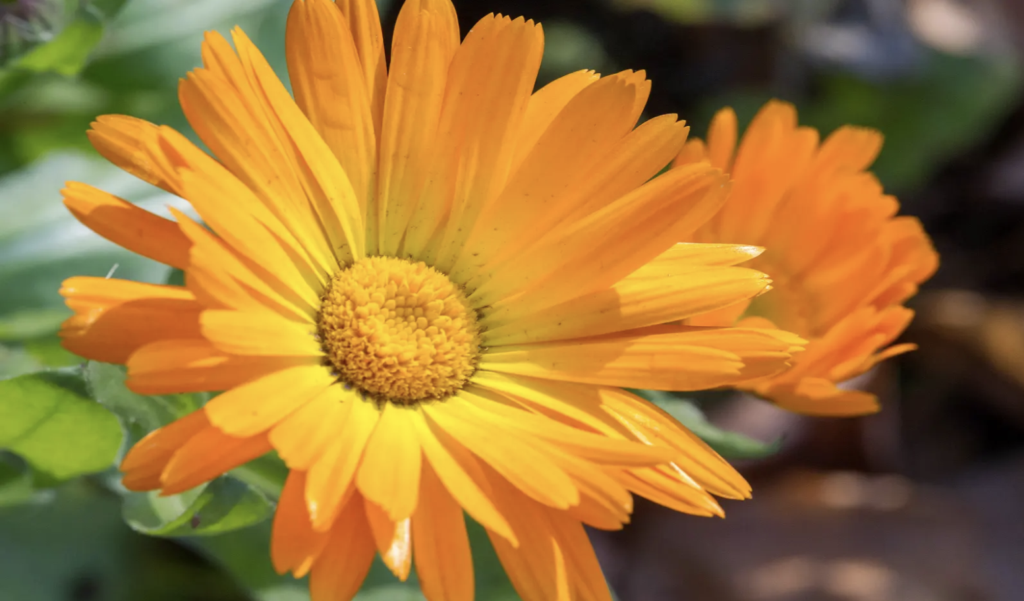
Calendula (Calendula officinalis)
Calendula may not carry the same aromatherapy fame as Rose or Frankincense, but in the herbal world, it is nothing short of a skin care star. This bright, sunny plant is one of the most versatile and trusted herbs for topical healing, with a long tradition of use for practically every skin ailment you can think of.
Rich in flavonoids and carotenoids, Calendula brings antioxidant and anti-inflammatory activity to aging skin. What Calendula does particularly well is restore. It is deeply emollient, helping to soften and nourish skin that has become dry, thin, or compromised with age, and it has a well-earned reputation for fading the appearance of scars and supporting ongoing skin regeneration [3].
Sandalwood (Santalum album)
Sandalwood is one of those aromatics that feels like a true gift for aging skin: deeply moisturizing, protective, and restorative all at once. Its natural emollient qualities help seal moisture into the skin, leaving it soft, supple, and more resilient over time. It also offers antioxidant support, helping to protect skin cells from the cumulative oxidative stress of daily life. Sandalwood is also known to gently support circulation at the skin’s surface, encouraging a healthy, subtle radiance. Over time, this can contribute to a more even tone and smoother-looking texture, while supporting overall skin vitality [1].
It's also important to mention that many species of Sandalwood are considered vulnerable or endangered due to overharvesting. Because essential oil production requires a significant amount of plant material, sourcing matters. Whenever possible, choose oils that are sustainably and ethically produced, such as those grown on carefully managed plantations. We love the Sandalwood essential oil from Aromatics International, sourced from organically grown Sandalwood on an Australian plantation.
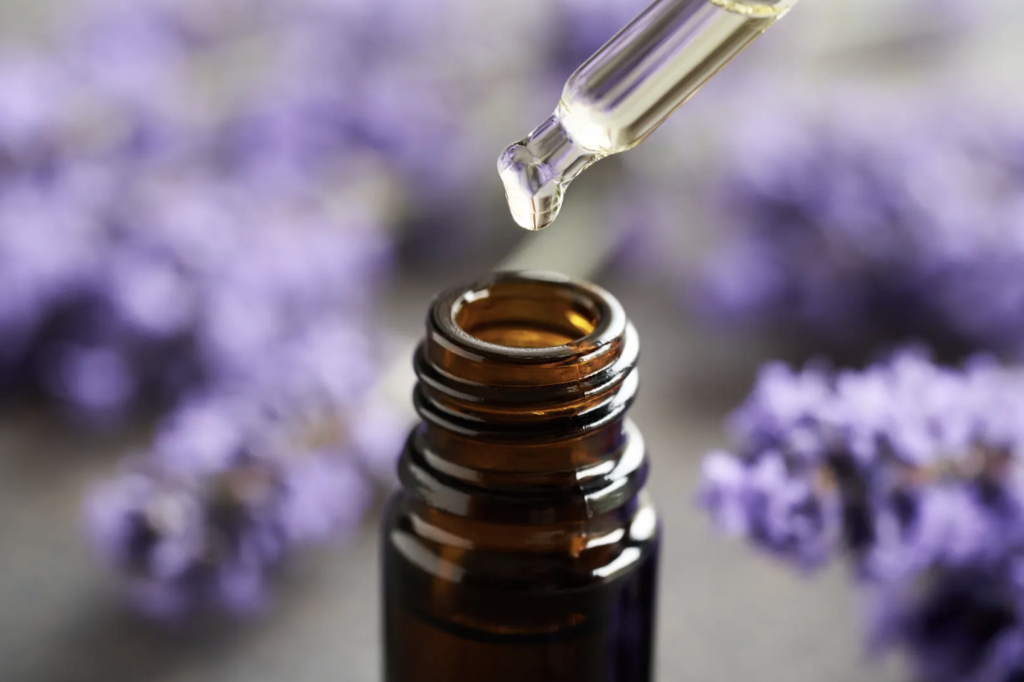
Lavender (Lavandula spp.)
It would be easy to overlook Lavender simply because we're so familiar with it, but when it comes to aging skin, this beloved aromatic has a remarkable amount to offer. Cooling and anti-inflammatory, it helps soothe redness, heat, and irritation, while gently supporting the skin’s natural ability to repair and renew over time. For skin that becomes thinner, more reactive, and slower to recover with age, this balance of calming and restoration is especially supportive.
Much of Lavender’s skin-loving activity can be traced to two of its key constituents: linalool and linalyl acetate [1]. Linalool offers antioxidant and anti-inflammatory support, helping to protect the skin from oxidative stress, while linalyl acetate contributes to a sense of softness and suppleness, supporting overall skin resilience. Together, they make Lavender one of the most versatile and well-rounded aromatics in any skincare ritual.

Anti-Aging Aromatic Preparations
There are many beautiful ways to work with aromatic plants topically, each offering its own unique benefits and sensory experience. This list of plants and preparations isn’t meant to be all-encompassing, but rather a starting point and invitation to explore more deeply and discover what resonates with you.
Facial Oils & Serums: These are one of the simplest and most nourishing ways to deliver aromatic compounds to the skin. Blending essential oils into carrier oils, like jojoba, carrot seed, or rosehip oil, helps support moisture, elasticity, and overall skin vitality. A few drops massaged into damp skin can go a long way (this is my favorite after-shower ritual!).
Hydrosols: Also known as hydrolats, these are gentle, water-based plant distillates that offer gentle aromatic and therapeutic benefits. They can be used throughout the day to hydrate, tone, and refresh the skin, while also supporting the nervous system through their aroma. (I always carry one in my bag!)
Herbal Oil Infusions: Infusing dried herbs into carrier oils is a traditional way to extract fat-soluble and aromatic plant compounds. These oils can be used on their own or as a base for more complex formulations, offering deep nourishment and support for dry or mature skin. One of my favorite formulas involves infusing Rose, Calendula, and Lavender in coconut oil to use as a full-body oil. It smells and feels divine! You can learn how to make herbal-infused oils in our Art of Aromatic Preparations Mini-Course.
Balms & Salves: By combining infused oils with beeswax or plant-based wax, you can create deeply moisturizing facial or body balms. These are especially helpful for areas that need extra care, like around the eyes, lips, or anywhere prone to dryness. (I live in a dry climate, so this has become one of my favorite evening rituals—applying a balm before bed to give my skin extra moisture and protection overnight. If you’d like to learn how to make your own, we also teach this process step-by-step in our Art of Aromatic Preparations Mini-Course.)
Herbal Steams: Facial herbal steams open up the pores, increase circulation, and allow aromatic compounds to gently interact with the skin. They also offer a moment to slow down and breathe deeply, inviting a relaxing and rejuvenating ritual.

A Note on Safety & Dilution
Many Citrus essential oils (Citrus spp.) are often touted for their skin-supporting and anti-aging qualities, largely due to their antioxidant content and naturally occurring vitamin C compounds. However, many of these oils are also phototoxic, meaning they can increase the skin’s sensitivity to sunlight and potentially lead to irritation or discoloration. For this reason, we’ve chosen not to include them in this list.
It’s also worth mentioning that essential oils are highly concentrated plant extracts. For safe topical use, they should always be properly diluted in a carrier oil before applying to the skin. If you’d like to learn more about phototoxicity and appropriate dilution guidelines, you can explore our Essential Oil Safety Guide here.
As with any new skincare practice, it’s wise to start slowly. Perform a small skin patch test when trying a new oil or preparation, especially if you have sensitive or reactive skin. Less is often more! Working with low dilutions allows the skin to receive the benefits of these potent plants without overwhelm.
Every person’s skin is different, and part of this practice is learning to listen and respond. Start with lower dilutions—typically around 0.2-1.5% for facial applications—and adjust as needed. Notice how your skin feels over time, and allow your routine to evolve with the seasons and with you.
DIY Recipe: Anti-Aging Aromatic Facial Oil
This anti-aging aromatic facial oil recipe is my daily ritual. You can use any carrier oil you like––my favorite is jojoba oil for its non-greasy texture. Jojoba oil is technically a botanical wax, and it mimics human sebum, making it a great non-comedogenic moisturizer for all skin types. It also offers anti-inflammatory and antioxidant benefits! Feel free to use different essential oils as well––whatever calls to you. This DIY facial oil recipe uses a 1% dilution ratio.
Ingredients
1 oz carrier oil
3 drops Rose essential oil
3 drops Lavender essential oil
30 ml (1 oz) glass dropper bottle
Small funnel
Label & pen
Directions:
- Pour the carrier oil into the dropper bottle using a small funnel.
- Carefully measure and add the essential oils to the oil in the bottle.
- Add the cap and gently shake to combine.
- Label with the ingredients and the date.
- Place 3-4 drops of oil on your fingers and gently massage onto a freshly washed face.
Do you find yourself dreaming about making your own herbal remedies and aromatic preparations?
Now’s the time to bring those dreams to life.
Our Art of Aromatic Preparations Mini-Course is open! This hands-on mini-course features 6 in-depth video tutorials on the core aromatic medicine preparations: tinctures, glycerites, infused oils, salves, balms, cordials, electuaries, oxymels, and more. Led by our instructor Erika Galentin, clinical herbalist and aromatherapist, you'll be guided step-by-step through each preparation, with expert insights and tips.
This mini-course is included inside the Aromatic Medicine Garden membership, or can be purchased as a standalone course!
References
1. Sasikala Chinnappan, Wong Shao Yuan, Liow Yu Ming, Tan Zhen Jie, Tham Jia Le, Jithendra Panneerselvam, Venkatalakshmi Ranganathan. Natural Essential Oils for Antiaging: A Review. Research Journal of Pharmacy and Technology. 2024; 17(5):2398-4. doi: 10.52711/0974-360X.2024.00375.
2. Węglarz Z, Kosakowska O, Pióro-Jabrucka E, Przybył JL, Gniewosz M, Kraśniewska K, Szyndel MS, Costa R, Bączek KB. Antioxidant and Antibacterial Activity of Helichrysum italicum (Roth) G. Don. from Central Europe. Pharmaceuticals (Basel). 2022 Jun 10;15(6):735. doi: 10.3390/ph15060735.
3. Shahane K, Kshirsagar M, Tambe S, Jain D, Rout S, Ferreira MKM, Mali S, Amin P, Srivastav PP, Cruz J, Lima RR. An Updated Review on the Multifaceted Therapeutic Potential of Calendula officinalis L. Pharmaceuticals (Basel). 2023 Apr 18;16(4):611. doi: 10.3390/ph16040611.
Article Written By Melissa Szaro

© 2026 The Northwest School of Aromatic Medicine. All rights reserved.
*The statements above have not been evaluated by the FDA, and are for educational purposes only. This article is not intended to diagnose, treat, cure, or prevent any disease. This article should not be taken as medical advice. Please consult your physician before you use this information for health purposes.
