Skip to content
The Northwest School of Aromatic Medicine
  • About
  • Courses
  • Resources
    • The Aromatic Medicine Blog
    • Video Library
  • Shop
  • Contact
  • Close Search Form
    Open Search Form
  • facebook
  • instagram
  • youtube
Student Login
Tag

herbal healing

Aromatherapy
Aromatic Recipes
Herbal Medicine
Ritual
Topical Medicine
May 30, 20250Comments

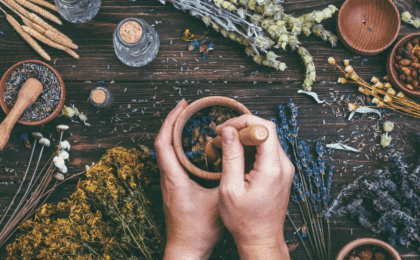
Making Your Own Aromatic & Herbal Remedies

As a plant person, you likely already know this: Aromatic plants and herbs hold incredible healing potential. Beneath their beautiful scents and vibrant leaves lies a world of medicine, just
by NW School of Aromatic Medicine
Aromatherapy
Bio-Regional Aromatic Medicine
Herbal Medicine
Human/Plant Connection
Incense Crafting
Natural Perfumery
Ritual
May 22, 20250Comments

The Energy You Bring to the Craft: Intention as an Ingredient

Have you ever followed a recipe exactly, only to have it fall flat, while someone else makes the same thing and it comes alive? Or crafted an herbal or aromatic
by NW School of Aromatic Medicine
Aromatherapy
Aromatic History & Lore
Herbal Medicine
Plant Profiles
April 25, 20250Comments

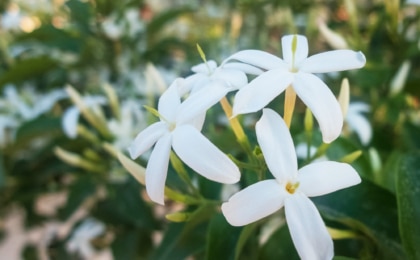
Jasmine Benefits for the Mind, Body, and Soul

The alluring aroma of Jasmine is more than just a scent – it’s an experience that lingers in the soul. Ethereal, intoxicating, and deeply evocative, Jasmine carries an almost sacred
by NW School of Aromatic Medicine
Aromatherapy
Aromatic History & Lore
Aromatic Recipes
Herbal Medicine
Incense as Medicine
Plant Profiles
Topical Medicine
February 20, 20250Comments

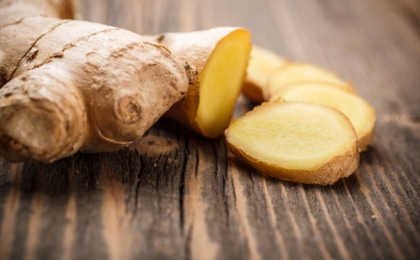
Ginger Root Benefits and Uses

Imagine walking through an ancient spice market, where the air is thick with the scent of exotic herbs and roots. Among the vibrant displays, one root stands out with its
by NW School of Aromatic Medicine
Aromatherapy
Aromatic History & Lore
Herbal Medicine
Incense as Medicine
Ritual
Topical Medicine
January 16, 20250Comments

Tree Resins: Unlock the Power of this Underappreciated Natural Remedy

There’s something very magical about tree resins. These golden, aromatic droplets are born from a tree’s natural healing process – a protective substance that seals wounds, guards against infection, and
by NW School of Aromatic Medicine
Aromatherapy
Bio-Regional Aromatic Medicine
Herbal Medicine
Incense as Medicine
Plant Profiles
Sustainability
Topical Medicine
January 9, 20250Comments

The Benefits of Pine Resin & How to Harvest It

I will never forget meeting my friend Sam (name changed to spare them any embarrassment), a budding herbalist radiating excitement and curiosity about the wonders of the natural world. One
by NW School of Aromatic Medicine
Aromatherapy
Aromatic History & Lore
Herbal Medicine
Human/Plant Connection
Incense as Medicine
Plant Profiles
Ritual
Sustainability
Topical Medicine
December 19, 20240Comments

The Power of Frankincense: Boosting Immunity and Overall Well-Being

Thousands of years ago, in ancient kingdoms, the air was thick with the rich, aromatic smoke of Frankincense. This sacred resin, harvested from Boswellia trees, played a central role in
by NW School of Aromatic Medicine
Aromatherapy
Aromatic History & Lore
Aromatic Recipes
Herbal Medicine
Plant Profiles
Topical Medicine
December 9, 20240Comments

The Many Benefits of Jasmine

If you’ve ever had the pleasure of smelling Jasmine, you know how captivating its scent is. Beyond its delightful fragrance and ornamental appeal, Jasmine offers a treasure trove of health
by NW School of Aromatic Medicine
Ayurveda
Herbal Medicine
December 3, 20240Comments

Aromatic Herbs for Digestion

If you’ve ever had a stomachache, you know how much it can derail your day. Our digestive system is a cornerstone of our health and vitality, responsible for breaking down
by NW School of Aromatic Medicine
Aromatherapy
Aromatic Recipes
Herbal Medicine
Ritual
November 26, 20240Comments

Herbal Tea Blending for Stress Relief

Have you ever sipped an herbal tea so delightful it felt like a warm hug in a cup? Or struggled to finish one that tasted more like murky pond water
by NW School of Aromatic Medicine
« Older Articles Newer Articles »

aromatic_medicine

🌿 Follow us on Instagram for daily inspiration, plant knowledge, aromatic wisdom, and one-of-a-kind courses 🌿

As we shift from summer to fall, the changing of s As we shift from summer to fall, the changing of seasons is a lovely reminder to slow down and support our mind and body through the transitions of life. Try out this nourishing tonic tea recipe that's packed with nutrients and herbs to help you feel in harmony with a touch of stress relief. 

Ingredients:

1 cup hot water
1 tsp dried Nettle leaves 
1 tsp dried Chamomile flowers
1 tsp dried Rosehips 
1 tsp dried Lemon Balm leaves
1 spoonful raw honey (optional)

Directions:

Boil water and pour it over the dried herbs in a mug or teapot. Cover the container to keep in the precious volatile oils and let the herbs steep for about 10-15 minutes. Strain, stir in honey, and enjoy! Find a cozy spot, take a deep breath, and savor your nourishing tonic.

---

#HerbalTea #NourishingTonic #FallHerbs #Herbalism #PlantMedicine #CozyVibes
Blended fragrance is like music - there are many d Blended fragrance is like music - there are many different aromatic notes that make up an incense or perfume, just like there are many different musicians that make up a band.

When a musician plays alone, it’s beautiful, but when all of the musicians in a band play together in harmony, it’s purely magical.
The Pine tree is considered sacred in many culture The Pine tree is considered sacred in many cultures.

Pine trees are deeply revered and honored in Korean tradition. The trees are respected as wise entities and are sometimes worshiped as divine beings or spirits.

In China, Pine is considered a symbol of the New Year. 

Pine tree forests throughout Europe were the birthplace of many timeless fairytales and legends. 

Pine is found in countless stories of antiquity, from Greek and Roman tales of gods and goddesses, to Germanic and Nordic tales of dwarves, witches, elves, and werewolves. 

It was even the tree in which the wizard Merlin climbed, never to return to the world of Men. 

To many Native Americans and First Nations peoples, Pine has been an important tree resembling wisdom and longevity for ages.

Celtic and Northern European peoples believed Pine to protect them from harmful, negative energies and influences. 

Pine has long been used as incense in many cultures to promote courage, strength, protection, and prosperous health.

I share more about these ancient stories and traditions of Pine, from near and far, in our blog, The Medicine & Magic of Pine. 

Read more here: https://aromaticmedicineschool.com/the-medicine-magic-of-pine/
“One thing I’ve learned in the woods is that there “One thing I’ve learned in the woods is that there is no such thing as random. Everything is steeped in meaning, colored by relationships, one thing with another.”

― Robin Wall Kimmerer, Braiding Sweetgrass: Indigenous Wisdom, Scientific Knowledge and the Teachings of Plants
As herbalists, aromatherapists, and lovers of arom As herbalists, aromatherapists, and lovers of aromatic plants, our relationship with the plant world is reciprocal.

We tend the plants, and in return, they tend us.

Part of walking an ethical, plant-centered path is knowing when to slow down, use less, and choose with greater care.

🌿 Aromatic plants on our “take care” list 🌿

These species face sustainability pressures due to overharvesting, habitat loss, or fragile ecosystems. They deserve reverence, restraint, and thoughtful sourcing:

Rosewood (Aniba rosaeodora)
Agarwood (Aquilaria malaccensis)
Frankincense (Boswellia carterii from Somalia)
Palo Santo (Bulnesia Sarmientoi)
Atlas Cedarwood (​​Cedrus atlantica)
Spikenard (Nardostachys jatamansi)
Sassafras (Ocotea pretiosa)
African Sandalwood (Osyris lanceolata)
White Sage (Salvia apiana)
Sandalwood (Santalum album, S paniculatum)

✨ Our guiding principle:

When the source isn’t clear, we slow down and pause before proceeding. When a supply feels questionable, we seek out thoughtful alternatives. And when a plant is known to be vulnerable, we allow respect and relationship to guide our choices, always placing care for the plant before our desire to use it.

Sustainability isn’t just about what we use—it’s about how and why we use it.

May our aromatic practices be rooted in care, relationship, and responsibility. 🌎

---
 #sustainability #plantsteward #plantstewardship #sustainablesourcing
🌿 Where do you source your herbs and aromatic plan 🌿 Where do you source your herbs and aromatic plants? Drop your location + recommendations below! 👇

Some of the most powerful plant allies don’t have to come from exotic locations halfway around the world… there are plenty being lovingly grown right in our own communities. 🌱

Local, small-scale herb farmers are helping preserve traditional plant knowledge while making high-quality, sustainably grown herbs more accessible.

Know an herbal farm near you that deserves more recognition? Tag them below. 

Let's build a map of where to find powerful plant medicine closest to home.

👇 Share your location + any farms/growers you love.
3 reasons to use non-combustible, low-smoke method 3 reasons to use non-combustible, low-smoke methods to burn incense:

🔥 Provides a slower burn that maintains the integrity of the incense
🔥 Helps lessen the charred aroma that often accompanies combustible methods
🔥 Self-lighting charcoal often contains chemicals that can be a health hazard

Discover the 3 virtually smokeless ways to enjoy incense in our blog. Link in bio ✨

---
 #smokelessincense #smokelessincenseburner #burningincense #incensecharcoal
There’s a difference between owning a lot of aroma There’s a difference between owning a lot of aromatics... and truly knowing aromatics.

I think most of us begin the same way.

We collect.

Another essential oil. Another resin. A beautiful piece of aromatic wood. An unusual extract we've never smelled before. I started collecting incense when I was 16, not knowing much about it, the traditions, or the plans behind it at all. 

And there's nothing wrong with that—I still get ridiculously excited when a package of new aromatics shows up at my door. 😆

But eventually, something changes.

You don't just want more.

You want to understand what you already have.

You want to know things like why one Frankincense smells completely different from another.

Why that Sandalwood was so expensive compared to another.

Where your Agarwood actually came from.

Whether wildcrafted really means better.

How to recognize exceptional quality with your own nose.

Who grew, harvested, distilled, or traded the materials you're working with.

And whether the plants you love are actually being cared for in a way that allows them to continue thriving.

That's when collecting aromatics starts becoming connoisseurship.

And that's really why I created The Aromatic Connoisseur Series.

To help you become more knowledgeable, discerning, and intentional with the aromatics you already love.

To know how to find them, how to understand them, and how to protect them.

🌿 The Aromatic Connoisseur Series

Three special classes & one deeper journey into the aromatic world.

Enrollment is only open until tomorrow night, so if this deeper journey into the aromatic world is calling to you, come take a look.

Explore the complete series + join us in our bio

---

 #Aromatherapy #NaturalAromatics #AromaticPlants #EthicalSourcing #NaturalPerfumery #Herbalism
Follow on Instagram

OFFERINGS

  • Aromatic Medicine Garden Monthly Membership
  • Incense Crafting Course
  • Botanical Resins & Gums Course
  • Materia Aromatica Ebook

QUICK LINKS

  • About
  • Courses
  • The Aromatic Medicine Blog
  • The School
  • Evan Sylliaasen
  • Contact
  • Privacy Policy
  • Terms & Conditions

FOLLOW US

  • Facebook
  • Instagram
  • Youtube

OUR NEWSLETTER

Stay in the know on new releases and special offers

Loading

support@aromaticmedicineschool.com

© 2026 The Northwest School of Aromatic Medicine, All rights reserved.