
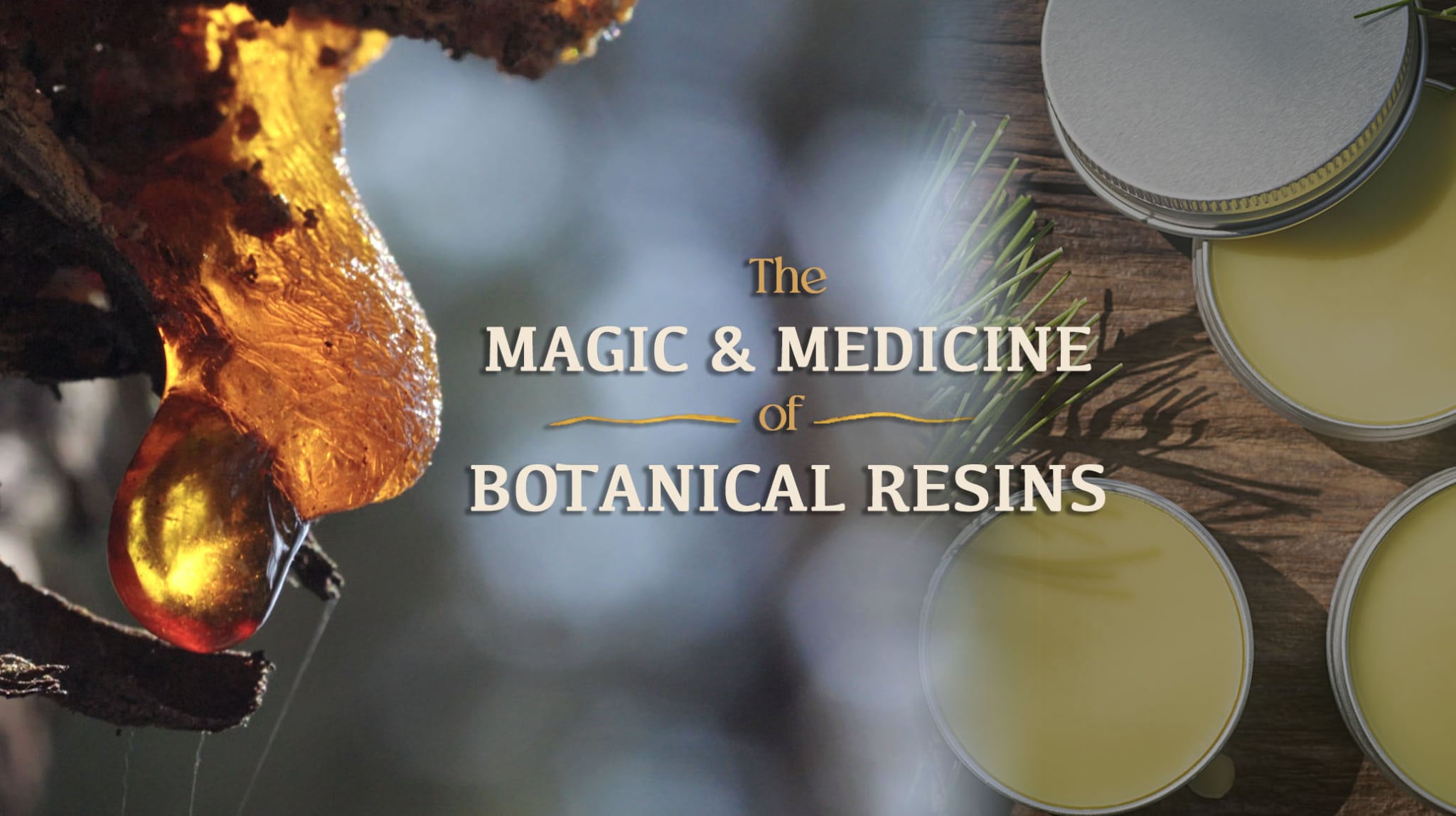
The first time I burned Frankincense, something unexpected happened. Within a few breaths, my awareness sharpened, my thoughts grew quieter, and a deep sense of calm washed over me. There was a feeling of ancient sacredness in the air; something difficult to explain, but impossible to ignore. That moment opened the door to a world I hadn’t yet discovered: the beautiful realm of tree resins.
Most people know of resins. They’re those inconvenient, sticky substances that would never wash off your hands after climbing trees as a kid. But what we didn’t realize back then is that the resins exuded from many species of trees around the world hold potent aromatics, highly concentrated therapeutic properties, and countless practical uses.
After that first experience with Frankincense, I burned it every morning that week. Slowly, I noticed a subtle transformation taking place… almost as if my nervous system had been lowered into a hot soaking tub on a foggy mountain morning. I was more relaxed and clear-headed. It put me in a place of deeper reflection and presence that I’d never felt before with other plant encounters.
From that point forward, my curiosity about aromatic plants deepened. I began exploring resins from many traditions, like Myrrh, Benzoin, Copal, Elemi, and the aromatic resins of conifers like Pine, Juniper, and Cedar. Each resin carried its own unique aroma, essence, and influence on the mind and body.
These qualities are shared by many resins around the world, which is why they’ve been used for thousands of years in religious and spiritual practices, rituals, ceremonies, and meditation. Many resins have an impressive ability to open and sharpen the mind and senses while engaging the parasympathetic nervous system, promoting feelings of inner peace, relaxation, and presence.
In this video blog, we’ll explore what tree resins actually are (and how they differ from sap), why cultures around the world consider them sacred, their therapeutic properties and role in the aromatic arts, and how you can begin working with resins in your own incense or ritual practice.

What Are Tree Resins?
One of the biggest misconceptions about tree resins is that they’re the same as sap. While the two are often confused, they serve very different roles within a tree. Sap is a watery fluid that moves through a tree’s vascular system, transporting nutrients and sugars between the roots, trunk, branches, and leaves. This natural sugar-water is what’s collected from maple trees and boiled down to make maple syrup. Aside from its mild sweetness, sap has very little aroma.
Botanical resin, on the other hand, is something entirely different. Resins are produced in specialized cells within certain trees and plants called secretory epithelial cells, which line networks of tiny tubes known as resin canals or resin ducts. When a tree is damaged by wind, animals, insects, or broken branches, pressure within these canals pushes resin to the surface, sealing the wound and protecting the tree from outside threats. Over time, exposure to oxygen causes the resin to harden, forming a protective cover over the tree’s injury, much like a natural bandage.
Chemically, resins are complex mixtures of aromatic compounds, including essential oils, terpenes, resin acids, and other organic constituents. These compounds are what give resins their rich fragrances and make them such valued materials in incense, perfumery, and aromatic medicine.
Many resins contain strong antimicrobial, antifungal, and antiseptic properties that help defend the tree from infection while supporting tissue repair. These same protective qualities are reflected in their therapeutic uses for humans. For centuries, resins have been used in traditional medicine as powerful topical remedies for wounds, cuts, bruises, and skin damage. Just as they protect the tree, resin-based preparations can help defend our tissues from infection while supporting skin regeneration.
The Therapeutic Qualities of Resins
Tree resins can be used in many forms, from inhaled aromatics such as incense, perfumes, essential oils, and hydrosols, to topical preparations like salves and ointments, as well as a wide range of traditional ingestible preparations.
Historically, resins have been especially well known for their role in topical medicine as first aid remedies. Ancient Aztec warriors, for example, applied ointments made from melted Copal resin to battle wounds for its powerful antiseptic and tissue-regenerating properties, helping protect the body from infection while supporting faster healing – much like resin protects and heals the trees themselves.
Across the Americas, from South America to northern Canada, Indigenous traditions have worked with a wide variety of conifer resins for numerous therapeutic purposes. These resins have been used not only for topical applications but also to support respiratory health, helping soothe conditions such as colds, coughs, and seasonal illnesses.
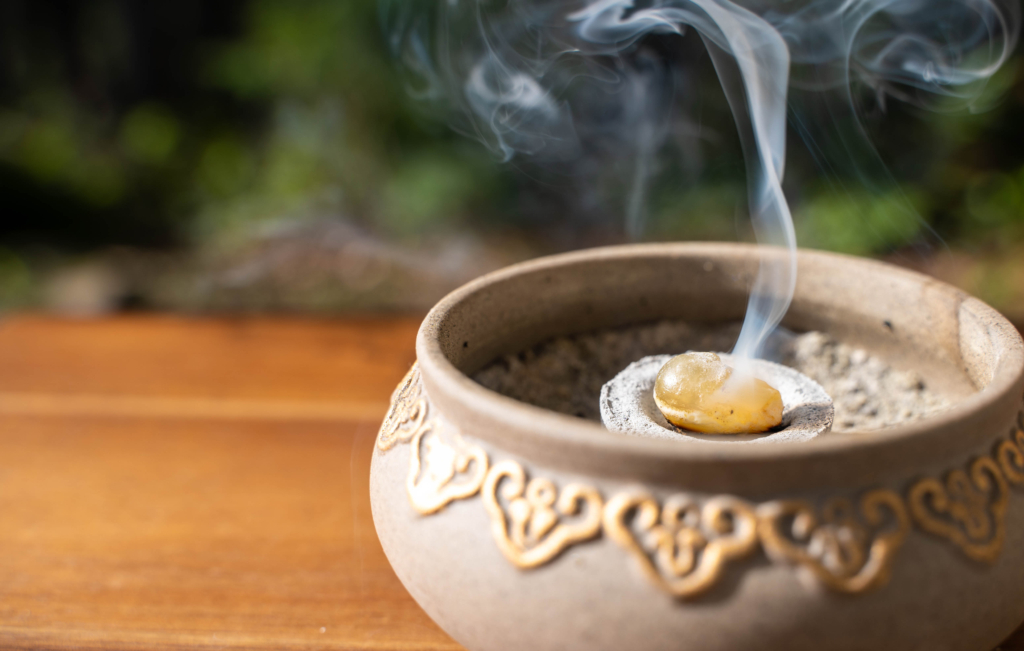
When resins are burned as incense, their therapeutic compounds can also be experienced through inhalation. The aromatic molecules released into the air enter the body through the nose and lungs, where they interact with the nervous system and circulate through the bloodstream. These compounds can influence the brain, the heart, and many other systems of the body, often promoting relaxation, emotional balance, and a greater sense of harmony.
Learn How to Make Irresistible Incense For
Enjoyment, Healing & Ritual with
✨ The Art of Incense Crafting Ebook ✨
Download Your Free Copy Below

Are you ready to learn how to craft your own natural incense? This free eBook covers the essentials of creating incense that burns beautifully and smells divine, exploring its role as an ancient aromatic medicine and sacred ritual tool. Avoid common pitfalls and unlock step-by-step instructions to make incense cones with ease.
The Sacred History of Botanical Resin
Across cultures and continents, tree resins have played a central role in spirituality, ritual, and sacred ceremony for thousands of years. But why have these substances been so universally revered?
In many spiritual and healing traditions, resins have been viewed as the living essence, or spirit, of the tree itself. When we work with resins, especially when they’re burned as incense, it’s often considered as an invitation for the spirit of the tree to join and support whatever intention we bring to the ritual.
In other traditions, including ancient Indigenous cultures and even Biblical teachings, burning incense or resin is believed to create a direct connection to the spirit world. The rising smoke is seen as carrying prayers and offerings upward, drawing the attention of God, gods, or spiritual forces. In fact, many cultures refer to these resins as the “Food of the Gods,” their aromas believed to please and appease divine beings more than any other offering.
Because of this, resins have long stood at the heart of sacred ceremonies around the world. The fragrant smoke released from these substances – drawn from the very heart of trees – is offered through fire as a bridge between the earthly and spiritual realms. In many traditions, this act is not merely symbolic. The smoke of incense is believed to open a pathway of communication, helping prayers and intentions reach the spirit world more clearly.
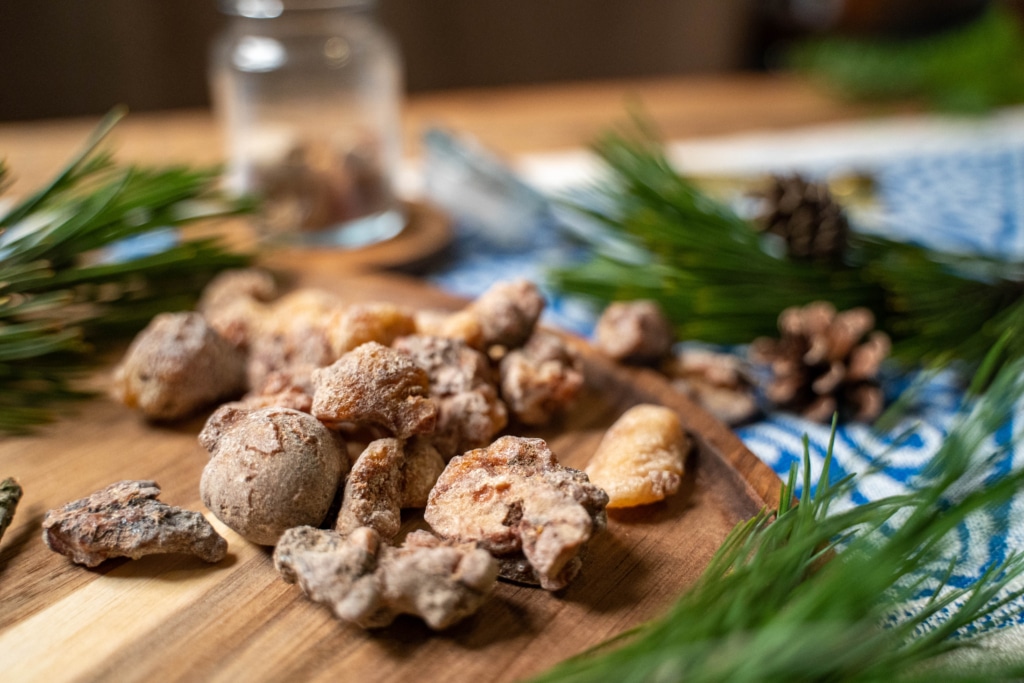
History offers many examples of this sacred relationship with resins. Frankincense and Myrrh were used extensively by the ancient Egyptians in temple rituals, sacred offerings, and even embalming practices. Today, they continue to be burned in Catholic and Orthodox churches, where their fragrant smoke accompanies prayer and helps create a reverent, elevated atmosphere for worship.
In Mexico and Central America, various species of Copal resin have been burned in rituals since the time of the ancient Aztec and Maya civilizations. Throughout South America, resins such as Palo Santo resin have long been used in traditional healing and shamanic practices for prayer, energetic cleansing, and spiritual protection. Across cultures, resins represent one of the most widely cherished classes of sacred botanicals.
From a symbolic perspective, this reverence makes sense. Just as resin protects and seals a tree when it is wounded, its smoke has long been believed to offer protection on an energetic and spiritual level. Copal resin, for example, is traditionally burned as a cleansing incense to purify spaces, clear away unwanted energies, and maintain spiritual balance during ceremonies.
Because of these qualities, resins have been used in countless spiritual practices around the world. Their smoke is burned to purify sacred spaces, deepen prayer, and support meditation by sharpening the senses and quieting the mind. At the same time, their aromatic compounds can gently calm the nervous system, opening the heart and encouraging a more relaxed, receptive state of awareness.

Working with Tree Resins
As you can see, resins are incredibly versatile botanicals with many different applications. They can be prepared into topical oils, ointments, and salves; tinctures and spagyric preparations; essential oils and hydrosols; or simply enjoyed as incense.
But there is a certain magic and timelessness in working with resins in their simplest form: burned on charcoal as natural incense. Sitting with the smoke of a single resin and taking in its aroma allows you to experience its qualities directly, while tuning in to how its presence affects your mind, body, and emotions. In many ways, this can become a kind of meditation.
By intentionally observing the experience as the resin burns, you may begin to notice subtle shifts in your awareness. Certain aromas may sharpen the senses and clear the mind, while others invite relaxation, emotional openness, or deeper reflection. In this way, working with resin incense becomes not only a ritual practice but also a powerful form of plant-based medicine.
The next time you find yourself with a piece of aromatic tree resin, whether you’ve harvested it yourself or purchased it from a shop (we recommend our sustainable sister company, Higher Mind Incense), try setting aside a few moments of silence to work with it intentionally. Light natural incense charcoal, place a small piece of resin on top, and allow the smoke to slowly fill the space. (For more tips on burning incense in this way, read our blog: 3 Virtually Smokeless Ways to Burn Incense.)
As you sit with the aroma, you might ask yourself a few questions:
- What emotions or sensations arise as the aroma fills the air?
- Does the scent feel grounding, uplifting, calming, or stimulating?
- How does your breath or state of mind change as you inhale the fragrance?
- What thoughts, memories, or impressions emerge during the experience?
Approaching incense in this mindful way can reveal a great deal about the essence and therapeutic qualities of a particular resin. By slowing down and paying close attention, you may begin to uncover the nuanced ways these ancient botanical substances work on your body, mind, and spirit.
If nothing profound arises during your experience, that’s perfectly okay. Aromatics often work in subtle ways, gently shifting the psyche and nervous system in ways that aren’t always immediately obvious. This is part of why working with aromatic plants becomes a lifelong journey, and one that continues to reveal new insights the deeper we listen.
(For more tips on how to sustainably wild harvest your own tree resin, check out our blog post here.)
Want to learn more? Watch The Magic & Medicine of Botanical Resins (Part 2).
For thousands of years, resins have been used across cultures in ritual, skincare, and botanical preparations, valued for their rich aromas and therapeutic qualities. In the Botanical Resins & Gums Course, you’ll explore how to work with these remarkable plant materials and craft your own resin-based creations.
You’ll learn how to:
Ready to start working with some of the most extraordinary plant substances on Earth?
Video features Evan Sylliaasen

© 2026 The Northwest School of Aromatic Medicine. All rights reserved.
*The statements above have not been evaluated by the FDA, and are for educational purposes only. This article is not intended to diagnose, treat, cure, or prevent any disease. This article should not be taken as medical advice. Please consult your physician before you use this information for health purposes.
