Skip to content
The Northwest School of Aromatic Medicine
  • About
  • Courses
  • Resources
    • The Aromatic Medicine Blog
    • Video Library
  • Shop
  • Contact
  • Close Search Form
    Open Search Form
  • facebook
  • instagram
  • youtube
Student Login
Category

Incense as Medicine

Aromatherapy
Incense as Medicine
Plant Profiles
January 24, 20225Comments

How to Boost Your Winter Immunity

Have you ever wondered, what does it really mean to be healthy? And why do we get sick in the first place? Winter season, though beautiful and cozy, can sometimes bring
by NW School of Aromatic Medicine
Aromatherapy
Aromatic History & Lore
Incense as Medicine
Plant Profiles
Topical Medicine
December 28, 20217Comments

The Many Uses of Eucalyptus

Eucalyptus leaves are more than just koala food. If you’ve ever smelled this plant, the aromatics really stick in your memory – it’s bold, refreshing, vibrant, and opening. After one
by NW School of Aromatic Medicine
Aromatherapy
Aromatic Recipes
Incense as Medicine
Topical Medicine
November 29, 20215Comments

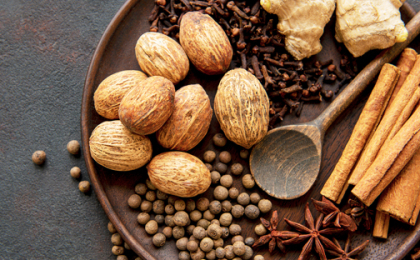
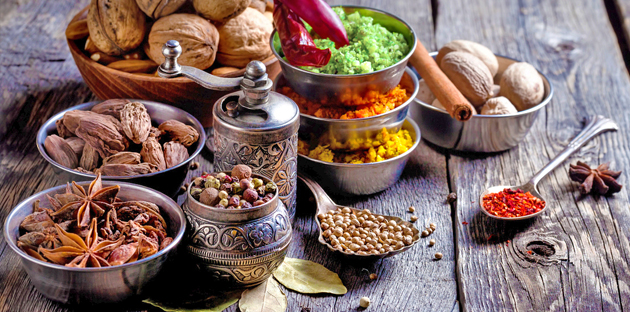
Holiday Spices: Warming, Uplifting Medicines for Cold Winter Months

Bring Warmth To Your Holiday Season With Aromatic Kitchen Spices Fall and winter are the time to get cozy, nourish yourself with warmth, and support your body through the changing seasons. Warming
by NW School of Aromatic Medicine
Aromatherapy
Incense as Medicine
May 26, 20200Comments

Aromatics & Incense for Times of Pandemic

What's the most universal thing people have looked to for thousands of years during times of pandemic and infectious disease outbreak? It's not hand sanitizer or Clorox wipes, though those
by NW School of Aromatic Medicine
Alchemy
Incense as Medicine
February 1, 20200Comments

“How much of an herb do I give?” A discussion on dosage of medicinal plants

A Guest Blog by Sajah Popham, founder of The School of Evolutionary Herbalism From a single drop to 5 mL of tincture or 1 tsp to 5 grams for a cup
by NW School of Aromatic Medicine
Aromatherapy
Ayurveda
Incense as Medicine
January 30, 20200Comments

The Ancient Indian Philosophy of Aroma & Incense, Part II

In my last blog, The Ancient Indian Philosophy of Aroma & Incense, Part I, I spoke about the beautiful tradition of healing plant smoke, Dhumapana, and the many used of
by NW School of Aromatic Medicine
Aromatherapy
Ayurveda
Incense as Medicine
January 24, 20200Comments

The Ancient Indian Philosophy of Aroma & Incense, Part I

Ayurveda, The Science of Life You’ve likely heard of the ancient Indian system of healing known as Ayurveda, translated to ‘the Science of Life.’ This 10,000 year old system has withstood
by NW School of Aromatic Medicine
Aromatherapy
Aromatic Recipes
Incense as Medicine
September 8, 20190Comments

Nourishing Your Nervous System with Aromatics

Feeling stressed or anxious? Nervous or fearful? Spread thin or overburdened? Ungrounded? In this video I'll give a simple and easy to understand breakdown of why most people's nervous systems
by NW School of Aromatic Medicine
Aromatherapy
Aromatic Recipes
Incense as Medicine
Sustainability
August 19, 20190Comments

Incense & Aromatics for Mental Focus & Clarity

Do you experience issues with mental focus and clarity, brain fog, or trouble with your memory? The aromatic incense plants I talk about in the video above have been used
by NW School of Aromatic Medicine
Aromatherapy
Aromatic History & Lore
Ayurveda
Incense as Medicine
May 25, 20190Comments

Incense As Medicine

In addition to their pleasant and uplifting aromas, nearly all aromatic plants used in incense also have medicinal qualities. Whether burned for therapeutic, spiritual, or aesthetic purposes, everyone who burns
by NW School of Aromatic Medicine
« Older Articles Newer Articles »

aromatic_medicine

🌿 Follow us on Instagram for daily inspiration, plant knowledge, aromatic wisdom, and one-of-a-kind courses 🌿

Natural remedies are trending now more than ever. Natural remedies are trending now more than ever. And alongside this resurgence, something new has emerged: the “AI herbalist.”

We’re witnessing an explosion of AI-generated herbal blogs, books, and courses, often created by so-called “experts,” often with no education, clinical training, or lived relationship with the plants.

Here’s the problem: herbal and aromatic medicine is nuanced, individualized, and deeply contextual. It cannot be reduced to algorithmic AI-pattern recognition or “input symptom, output herb.”

True plant medicine is a lived experience. It unfolds in the kitchen, the garden, the apothecary, and the clinic. It engages the senses and touches the spirit.

In a world where algorithms can generate polished content in seconds, human expertise matters more than ever. 

Real herbalists and aromatherapists know the plants intimately. They understand the delicate balance of body, mind, and spirit. They’ve walked this path, felt the plant resin on their fingers, inhaled the deep aroma of incense smoke, and seen the subtle ways plants work.

And they pass their knowledge on through mentorship, ensuring plant medicine continues to thrive as a living tradition rather than a recycled dataset.

Let us not lose sight of the heart and soul of plant wisdom. 

In our latest blog, Living in the Age of the AI Herbalist, you’ll learn:

🌱 Why AI is often wrong with plant medicine
🌱 How it doubles down on errors with absolute confidence
🌱 Why trained herbalists and aromatherapists frequently disagree with AI answers
🌱 How to spot an AI herbalist
🌱 How to protect the heart and soul of plant medicine

✨ Click the link in our bio to read the full blog.

_____________
#aicontent #plantmedicine #herbalmedicine #herbalist #aromatherapist #herbalism
How can you tell the difference between AI-assembl How can you tell the difference between AI-assembled herbal information and real plant wisdom? 

It’s honestly getting harder to spot. The branding is clean and polished, and the tone is confident. That’s what makes it so convincing.

Natural remedies are trending like never before, and with that surge comes a new problem: the “AI herbalist.” In recent years, AI-generated blogs, social media “experts” with no clinical experience, and even AI-written herbal books and courses have flooded the marketplace.

This is especially concerning now that Instagram and Facebook stopped independent fact-checking in early 2025, and about 20% of TikTok content contains misinformation. Confident-sounding advice can spread faster than ever… even when it’s wrong.

In our latest blog, Living in the Age of the AI Herbalist, we reveal some shocking examples: last year’s #1 Amazon bestseller in “Herbal Remedies” was written by AI (with a completely made-up author), and roughly 82% of new herbal books on Amazon were at least partially AI-generated.

You’ll also learn:
🌱 Why AI is often wrong with plant medicine
🌱 How it doubles down on errors with absolute confidence
🌱 Why trained herbalists and aromatherapists frequently disagree with AI answers
🌱 How to spot an AI herbalist
🌱 How to protect the heart and soul of plant medicine

✨ Click the link in our bio to read the full blog.

_______________
#AI #ageofai #herbalism #herbalist #plantmedicine #plantwisdom 
 #herbaleducation #herbalmedicine
Did you know that over 80% of new herbal books on Did you know that over 80% of new herbal books on Amazon in 2025 were likely written by AI? 🤯 Polished, confidently written, and trending, but with no human experience, no clinical training, and no heart behind them.

Herbal and aromatic medicine is not just data. It’s intuition, experience, and relationship with plants. One wrong recommendation can cause real harm… and AI doesn’t understand nuance, energetics, or safety.

If real plant wisdom is important to you and you want to know how to spot “AI herbalists” before it’s too late, read our latest blog: Living in the Age of the AI Herbalist. 

🌱✨ Click the link in our bio to read the full blog.

_______________
 #aiherbal #artificial_intelligence #herbalism #herbalist #misinformation #ageofai
A common misconception during the dead of Winter i A common misconception during the dead of Winter is that there’s nothing to wild-harvest… However, careful observation of the plant life cycle reveals that’s not necessarily true! 

As plants lose their leaves, they send their energy into their roots, getting ready to sustain themselves for a long winter. 

During this time, the life force of plants is concentrated within the woods, roots, and aromatic resins. 

In the winter months, the plant’s energy is highly concentrated in its root system, before moving back upwards and outwards in the spring and summer to produce more leaves, flowers, fruits, and seeds.

That’s why this is the best time of year to harvest roots, woods, gums, and resins. 

Plants have a rhythm with how they move their life force according to the seasons and the environment.

Don’t let the lack of new growth in the winter deceive you! There’s always abundance in the forest. 🌲

Have you harvested anything new lately??

_____________
#wildharvest #wildharvesting  #sustainableharvest  #wildcrafting  #treeresins  #harvesting #incenseresin
Did you know that essential oils should always be Did you know that essential oils should always be diluted before applying to your skin? 💧 Many people skip this step, which can lead to irritation, rashes, or even sensitization – a delayed allergic reaction that develops after repeated exposure.

Not sure how to dilute safely? We’ve got you covered! 

Our free Dilution Chart & Reference Guide breaks down exact ratios for everything from face and body care to herbal baths and first-aid use.

✨ Comment “DILUTION” below, and we’ll send the guide straight to your DMs!

Here’s to safe, happy, and effective essential oil use! 🌿

___________
#essentialoil  #essentialoilsafety  #essentialoildilution  #essentialoiltips #essentialoiltipsandtricks  #essentialoiluses #aromatherapy
Ginger (Zingiber officinale) is a tropical perenni Ginger (Zingiber officinale) is a tropical perennial from the same botanical family as Turmeric and Cardamom. And here’s a fun fact: what we all know as Ginger root isn’t actually a root at all – it’s a rhizome (a horizontal underground stem that sends up new shoots and spreads the plant outward). 🌱

Even more fascinating? Culinary Ginger is considered a cultigen, meaning it exists only through its thousands of years of human cultivation. This species doesn’t grow wild anywhere in the world, though its cousin, Wild Ginger, does. 

The plant reaches about 3-4 feet tall with glossy, lance-shaped leaves, and its rhizomes are harvested once the foliage yellows and dies back (about 8-10 months after planting). From there, Ginger can be used fresh or is transformed into dried slices, powder, preserves, or essential oil.

This classic aromatic spice has been used for thousands of years across cultures – there’s evidence of it being used in China and India over 2,000 years ago! 

Ginger is one of the only herbal remedies seen in the main 4 ancient traditional medicine systems: Chinese, Ayurvedic, Unani Tibb, and Greek. All 4 systems recognize Ginger as a warming herb traditionally used to support cold conditions in the body. That kind of universal consensus is rare in herbal history.

🔥 Swipe through to explore the aromatic medicine of this fiery, fragrant spice.
In nature, energy moves downward in winter. Plants In nature, energy moves downward in winter. Plants instinctively know this isn't the time to grow outward – it's time to ground inward. 

Sap withdraws from branches and leaves and sinks into the roots. Plants release their leaves, cease their blooming, and focus entirely on conserving energy deep beneath the soil. 

Life concentrates itself underground, where warmth is steadier, nourishment is stored, and strength is sustained. The root becomes the plant's anchor and its storehouse through the cold months.

Animals follow this same wisdom: bears curl into dens, insects burrow into bark and soil, amphibians sink into mud, and countless species enter states of dormancy or hibernation, conserving their life force until the light returns.

As animals of Earth, we humans mirror this cycle too, whether we realize it or not. 

Winter invites us inward, into our homes, into our bodies, into our inner landscapes. It asks us to slow down, to root ourselves, and to nourish what sustains us beneath the surface. We are called to tend our inner fire and honor the ancient winter wisdom of rest and regeneration. 

And just as plants draw strength from their roots, we too can draw upon the medicine of aromatic roots to support us through winter’s depths.

Aromatic roots are uniquely suited for winter support: anchoring us when we feel scattered, strengthening us when we grow weary, and protecting us when our defenses run thin. They carry the plant's deepest intelligence – the part that knows not just how to survive, but how to thrive.

In our new article, we explore how specific aromatic roots can help you build warmth, resilience, and grounding through the winter months…

You’ll discover:

❄️ How to work with winter’s energetics instead of pushing against them
🌱 The top 5 aromatic roots for winter wellness and grounding
🔥 How to support your body and nervous system through the darkest months of the year

✨ Read “Aromatic Roots for Winter” by clicking the link in our bio.

___________
#herbalroots #plantroots #herbalwisdom #aromatherapy #energeticherbalism #energetics #aromaticmedicine
What aromatics do you call on for love? 💞🌸 We coul What aromatics do you call on for love? 💞🌸 We couldn’t choose just one, so here are 4 of our favorite heart-opening botanicals. 

🌹 Rose is the timeless emblem of love. In folklore, it has been used to attract and protect true love, opening the heart and softening emotional walls. Its aroma nurtures both romantic devotion and deep self-compassion.

💜 Lavender carries a calming magic. Traditionally associated with peace and reconciliation, its soothing scent relieves tension and restores harmony in relationships – including the one you have with yourself.

🌿 Jasmine is a popular aphrodisiac, long revered for awakening sensuality, intimacy, and joy. It can promote passion, creativity, and confidence in all parts of your life.

🕯️ Vanilla is a warm, grounding aromatic that has commonly been used to promote feelings of love and friendship.

Whether you’re cultivating deeper self-love or inviting more passion and connection into your life, these plants have long been allies in matters of the heart. ✨

Which one resonates with you today?

___________
 #valentinesdayscents  #heartopening  #selfloveisthebestlove #selfcare #aromaticmedicine #rose #lavender #jasmine #vanilla
Follow on Instagram

OFFERINGS

  • Aromatic Medicine Garden Membership
  • Incense Crafting Course
  • Botanical Resins & Gums Course
  • Materia Aromatica Ebook

QUICK LINKS

  • About
  • Courses
  • The Aromatic Medicine Blog
  • The School
  • Evan Sylliaasen
  • Contact
  • Privacy Policy
  • Terms & Conditions

FOLLOW US

  • Facebook
  • Instagram
  • Youtube

OUR NEWSLETTER

Stay in the know on new releases and special offers

Loading

support@aromaticmedicineschool.com

© 2026 The Northwest School of Aromatic Medicine, All rights reserved.