
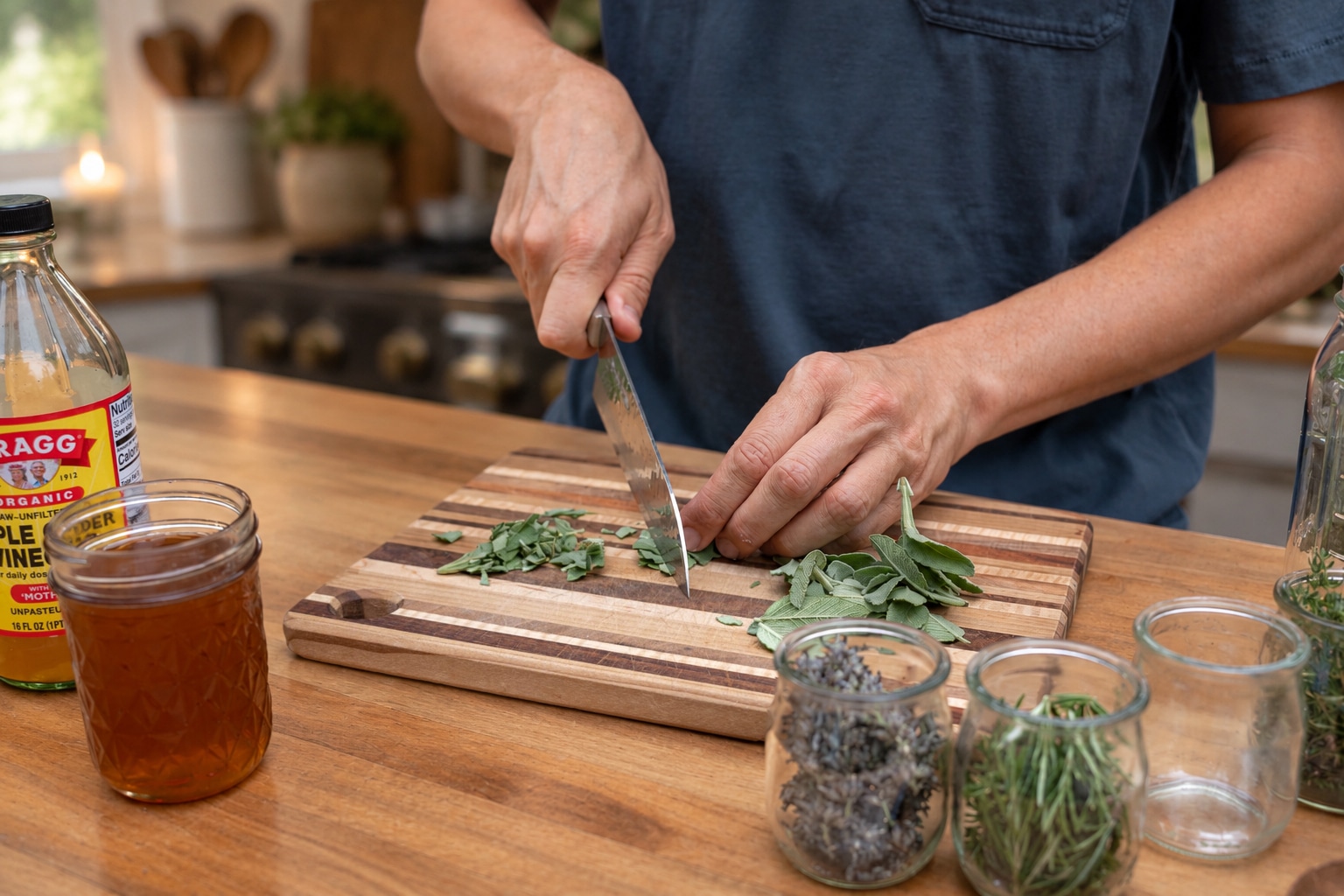
Rediscovering the simple pleasures of working with plants, creating with our hands, and bringing traditional herbal skills back into everyday life.
Imagine stepping into an old-fashioned home apothecary. Bundles of fragrant herbs hang drying from wooden beams. Shelves are lined with glass jars filled with roots, flowers, and leaves gathered throughout the seasons. There's a pot of aromatic herbs steeping on the stove, a fresh batch of Calendula oil slowly infusing in the corner, and little bottles of homemade extracts tucked away for when they're needed.
For generations, scenes like these were a familiar part of everyday life. Long before herbal tinctures came in neatly labeled bottles and botanical skincare lined the shelves of our favorite shops, people knew how to transform the plants growing around them into useful preparations for their homes and families. It was a beautiful blend of practical knowledge, creativity, and tradition, passed from one generation to the next.
Today, we're fortunate to have access to an incredible world of herbal products. But there's something about making these homemade herbal preparations ourselves that a finished product simply can't replace. The fragrant steam rising from a pot of herbs, the golden color of an infused oil, the satisfaction of filling a little jar with something you've made from scratch, and watching the face of a friend light up when you lovingly hand them a jar of your hand-made herbal treasure. These experiences invite us into a deeper relationship with the plants we love.
And with the holidays just around the corner, what better time to rediscover this beautiful art?
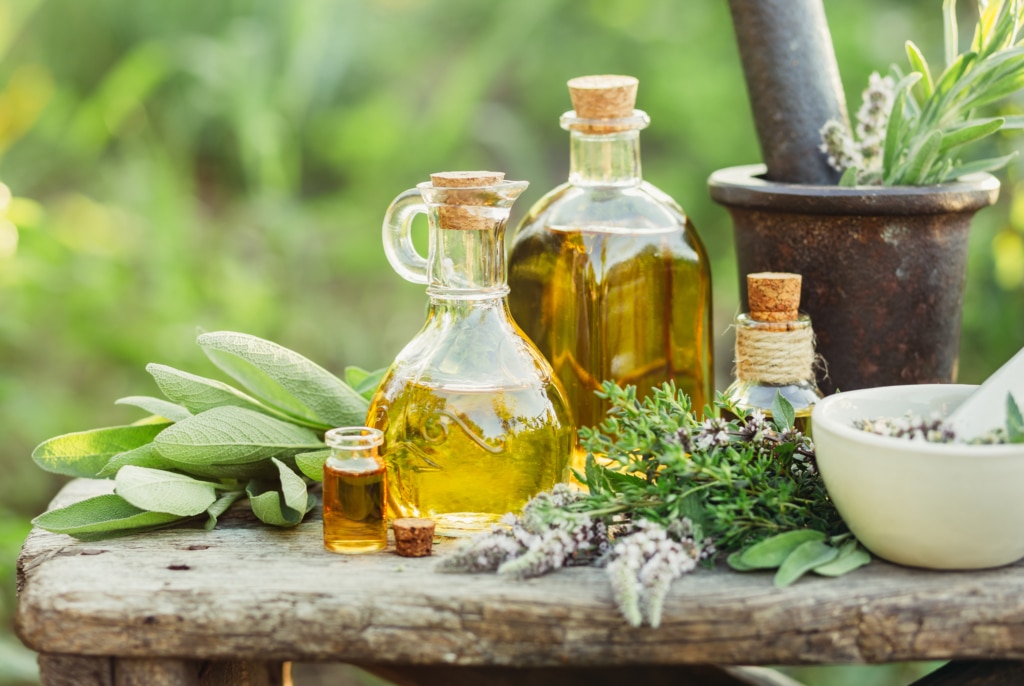
Homemade Herbal Preparations: From Garden to Home Apothecary
Have you ever looked at a flourishing Rosemary bush or a patch of Calendula flowers and wondered what else you could do with them? Perhaps you've grown Lavender for years, enjoyed its fragrance, and watched the bees visit its flowers each summer. Or maybe you have a cupboard full of dried herbs, collected with every intention of putting them to good use. The possibilities are almost endless.
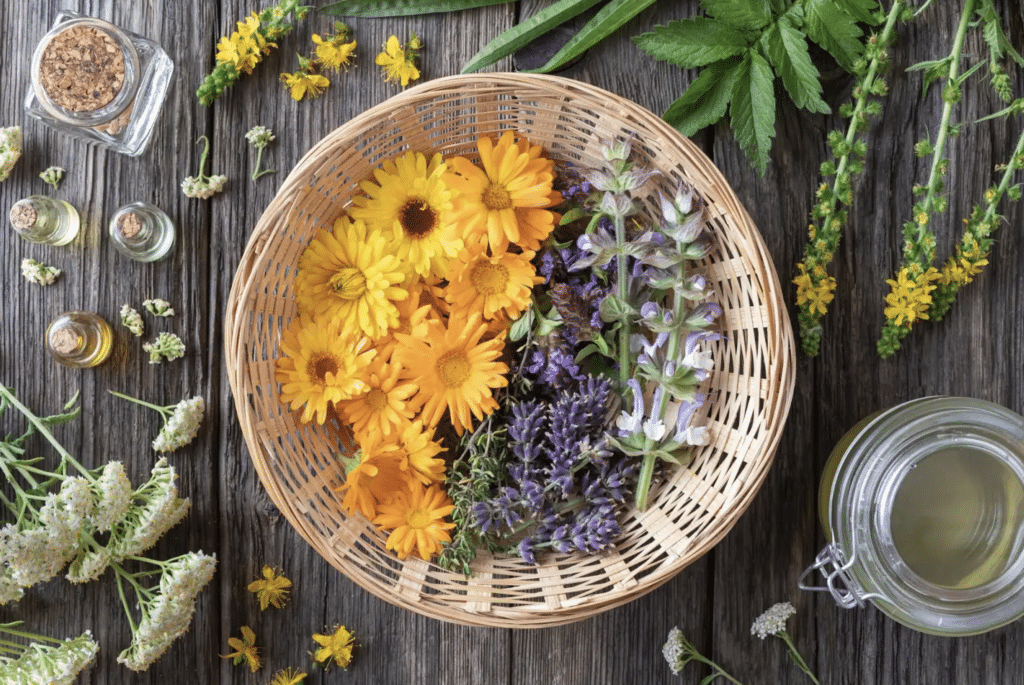
Those fragrant Lavender flowers could become part of a botanical salve, an aromatic honey, or a delicate herbal infusion. Rosemary might find its way into a culinary vinegar, a warming tea, or a beautifully scented herbal oil. And Calendula, with its cheerful golden blossoms, has a long history of being prepared into oils and salves for traditional skin care.
What's so fascinating is that each preparation reveals something different about the plant. Water draws out certain constituents, while oils, alcohol, vinegar, and honey each interact with botanical materials in their own unique ways. Even the aroma, color, texture, and character of a plant can change depending on how it's prepared.
It's an entire world of exploration hiding in the herbs we may already have growing outside our doors, or patiently waiting on our herb shelf to be unlocked. And once you begin discovering these possibilities, it's hard to look at your garden, spice cabinet, or collection of dried herbs quite the same way again.
I've been working with aromatic plants for years, and I still get excited discovering new ways to prepare them. Sometimes it's a plant I've worked with a hundred times, but a different preparation brings out something I hadn't noticed before.
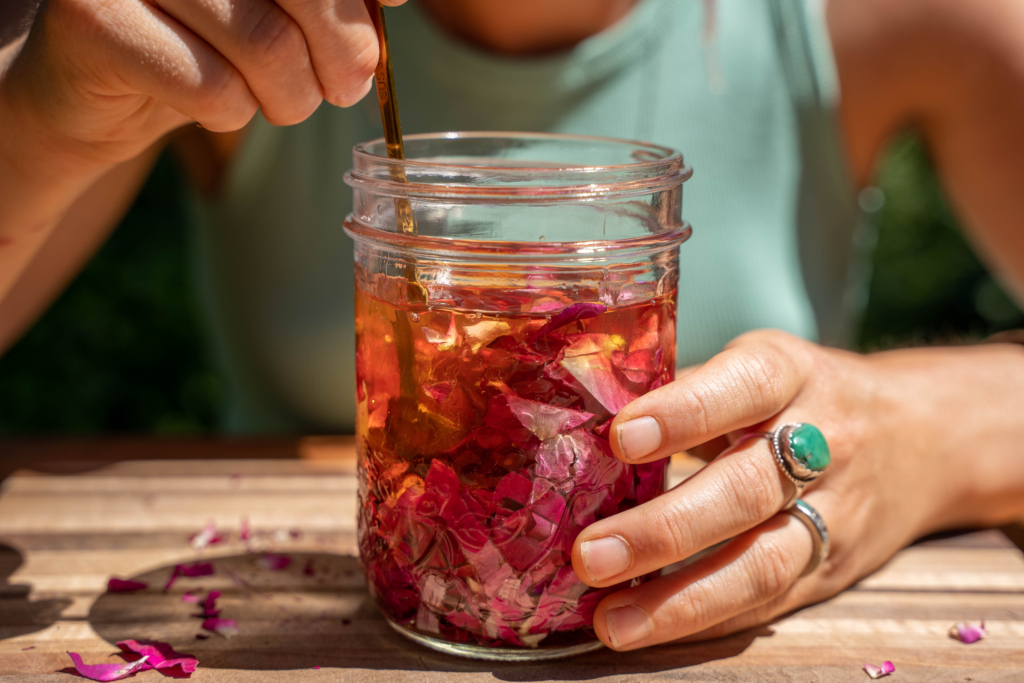
The Beauty of Making Something With Your Own Hands
There's a particular kind of satisfaction that comes from creating something yourself. It's there when you open a jar of herbs that have been slowly infusing for weeks and breathe in the fragrance they've released. When you pour a warm botanical salve into little tins and watch it slowly settle into its finished, semi-solid form. Or when you lift the lid from a pot of freshly distilled aromatic floral waters and catch the first delicate notes of the plant you've been working with.
These little moments are part of what makes herbal preparation-making so rewarding. You're not simply combining ingredients. You're observing, experimenting, and discovering how different plants reveal their unique qualities through heat, time, water, oils, and the many ways we work with them. And the more you work with them, the more familiar they become.
I can't tell you how many times I've opened a jar of herbs I've been infusing, taken one whiff, and just stood there for a moment appreciating what those plants have become. It's one of those little things that never really gets old.
You start to recognize the difference between the bright, green character of a fresh herb and the deeper, more concentrated fragrance of its dried counterpart. You notice how certain plants give themselves beautifully to oils, while others reveal their qualities through water or alcohol.
Over time, what once seemed mysterious begins to feel familiar. Your hands become more practiced and steady, your senses become more attentive and attuned, and those jars of herbs sitting on your shelves start looking less like a collection of ingredients and more like a collection of possibilities!
A Different Kind of Gift
As the holiday season approaches, I find myself searching for gifts that feel a little more personal. Something thoughtful or useful. Something that carries a bit more meaning than another item picked up from a store (because who really needs another pair of socks covered in dancing avocados?).
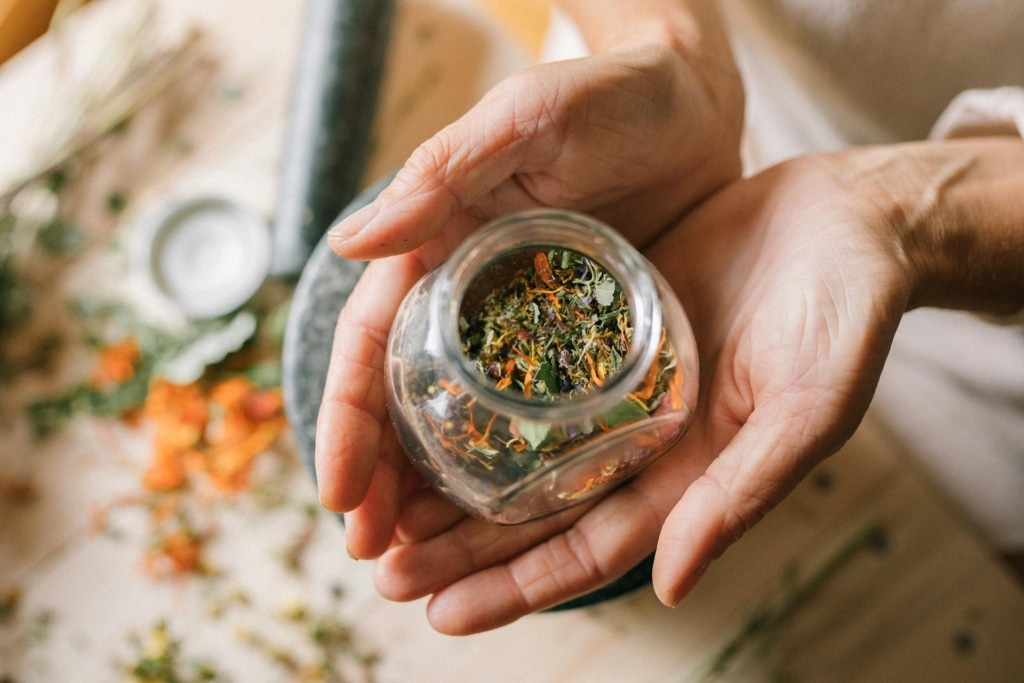
Now imagine giving someone a little jar of botanical salve you've made yourself, carefully labeled and wrapped with a sprig of dried Lavender. Or a fragrant herbal honey, infused with aromatic culinary plants and poured into a beautiful glass jar. Perhaps a collection of handcrafted herbal preparations, each one made with a particular person in mind.
There's something special about gifts like these. They carry a story. The plants you chose, the time you spent making them, the care that went into every step. And unlike so many things we buy during the holidays, the experience of creating them becomes a gift to ourselves, too.
I've found that friends and family genuinely appreciate these little handmade treasures. And I love knowing that whenever they reach for that jar of salve or herbal honey, they're reminded that someone took the time to make it especially for them.
Of course, these skills aren't just for gift-giving. They're equally meaningful when we're making preparations for our own homes, exploring new botanical ingredients, or simply enjoying an afternoon of creative work with plants.
That's part of their beauty. Once learned, they can become part of your life in so many different ways.
Rediscovering an Old Tradition
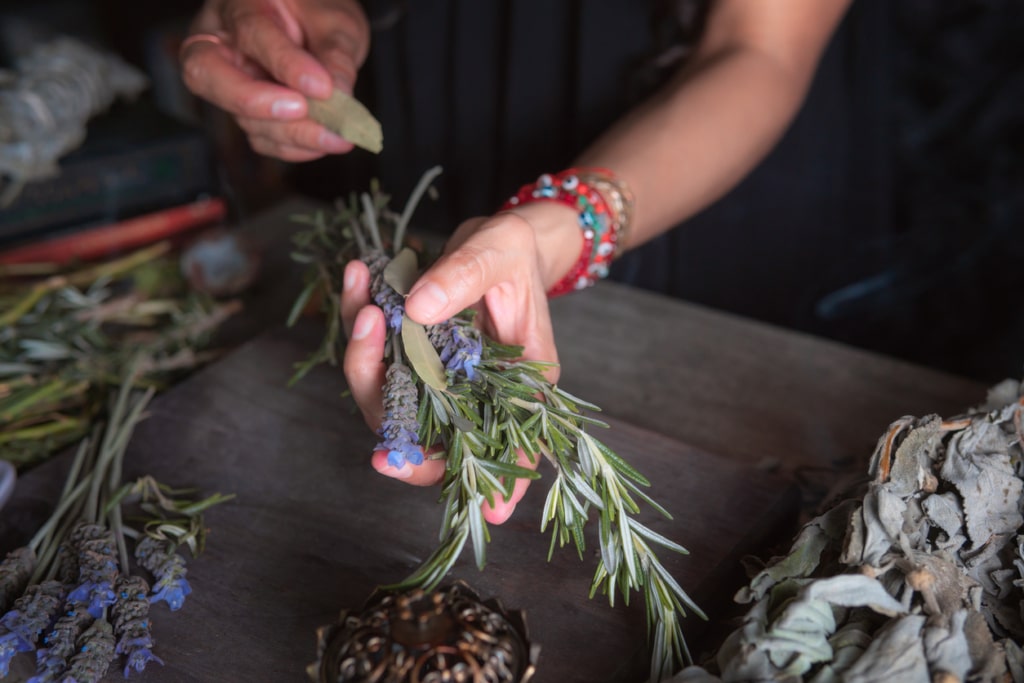
Herbal preparation-making has a rich history that stretches across cultures and generations. From the fragrant herbal oils and aromatic waters of ancient civilizations to the household remedies and botanical preparations of traditional European, Asian, and Indigenous healing practices, people around the world have developed countless ways of working with plants.
Many of these traditions are still very much alive today, preserved and practiced by herbalists, families, and communities who continue to pass their knowledge forward. Yet for many of us, making homemade herbal preparations has become an unfamiliar practice.
We may know which plants we love. We may have books filled with herbal wisdom, cupboards stocked with dried botanicals, and a growing curiosity about traditional medicine. But actually transforming those plants into preparations can feel like an entirely different undertaking.
Where do you begin? What tools do you need? How do you know which preparation method to choose? Fortunately, many traditional methods are far more approachable than they might first appear.
Some begin with little more than a handful of herbs, a glass jar, and a few ingredients you probably already have in your kitchen. And while there's always more to learn, you don't need an elaborate apothecary or years of experience to begin exploring this craft. Just curiosity, a willingness to work with your hands, and a little guidance along the way.
Bringing the Art Back Into Everyday Life
Perhaps the most meaningful part of learning to make herbal preparations isn't any single tincture, salve, or infused oil. It's what happens when the practice becomes part of your life.
You start looking forward to the first herbs of spring, imagining what you might create with them. Summer becomes a season of gathering and preserving. Autumn invites you to work with roots, seeds, and warming aromatic spices that fill the air with the familiar, nostalgic scents of fall. And winter invites you to slow down and explore the botanical treasures you've gathered throughout the year.
The plants become more than something to admire, grow, or buy. They become something you know how to work with. There's something deeply rewarding about having these skills in your own hands, and being part of a tradition of working with plants that's been passed down for generations.
Whether you're an aromatics lover, an experienced herbalist, an aromatherapist, an enthusiastic gardener, or someone who's simply curious about making things with plants, there's always another preparation to discover, another aromatic material to explore, and another skill to develop.
So perhaps this holiday season, somewhere between the shopping lists, family gatherings, and familiar traditions, you might find a little time to try something different. Gather a few of your favorite herbs, dust off those empty jars sitting in the cupboard, and spend an afternoon making something with your own hands. You might end up with a thoughtful gift for someone you love, but you may also discover a new passion that stays with you long after the holidays have passed.

Article by Evan Sylliaasen
Founder
The Northwest School of Aromatic Medicine
