
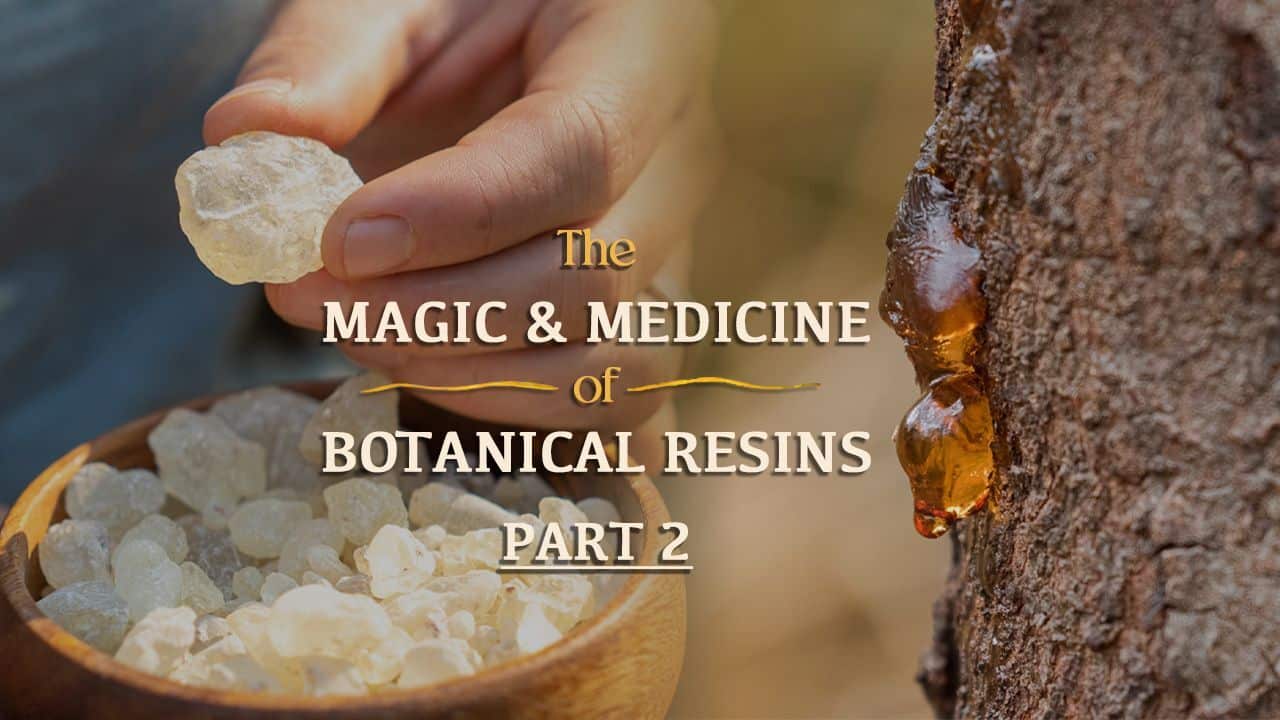
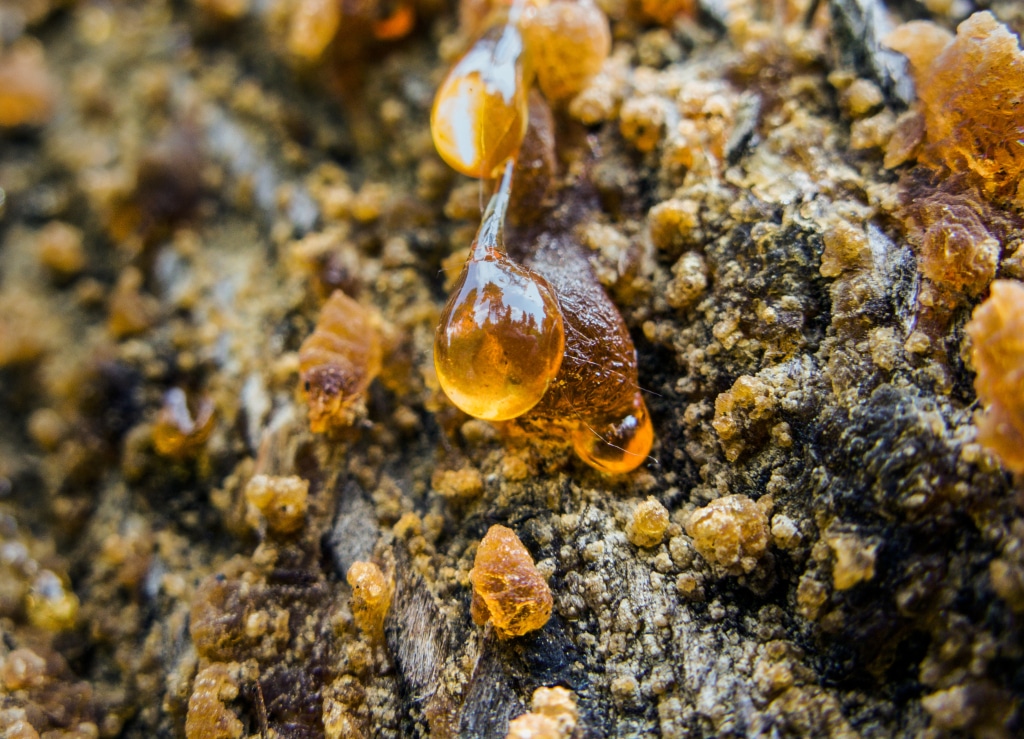
Somewhere deep in a forest, a storm rolls through and damages a tree. A branch snaps, the bark splits open, and the tree is suddenly vulnerable. But almost immediately, the tree's wisdom begins to stir, creating a golden, aromatic substance. It makes its way through intricate networks of tiny canals towards the wound, sealing it off, protecting it from infection, and slowly restoring what was broken.
This substance is resin. It's the tree’s medicine and means of protection. Its way of surviving in a world that doesn't stop throwing things at it.
Thousands of years ago, humans were paying close attention to this process. Through simple observation, they began to understand something profound: the same substance trees use to heal and protect themselves could be used in much the same way for us.
In ancient times, resins were applied to wounds, used to guard against infection, and valued for their ability to support the body’s natural healing processes. Over time, people also began to notice these aromatic substances had a powerful effect on the mind and emotions, helping to calm the nervous system, sharpen awareness, and support a deeper sense of presence. It was almost as if resins offered protection for the body, mind, and soul. This is why resins have been used for generations in rituals, ceremonies, and therapeutic practices around the world.
And yet, for something so powerful, resins are not always easy to work with. They can be sticky, brittle, and at times difficult to transform into a smooth, usable aromatic preparation or natural remedy. So how do you actually work with them? How do you take this raw, sacred material and turn it into something practical for healing, ritual, and everyday use?
In this video blog, we'll explore exactly that. You'll learn about the therapeutic benefits of tree resins, the different ways to prepare and work with them, and a few simple ways to begin incorporating them into your own herbal toolkit or home apothecary.
If you're new to botanical resins, be sure to start with Part 1, where we explore the spiritual significant and ritual uses of resins, what tree resins actually are, how they differ from sap, and why they've been considered sacred across cultures for thousands of years.
Therapeutic Benefits of Botanical Resins
Topical Use & First-Aid Remedies
Throughout history, resins have been used topically for soothing cuts and scrapes, skin damage of all kinds, bruises, sprains, rashes, and even serious wounds. Their powerful antimicrobial, anti-inflammatory, and adhesive properties make them a natural fit for first-aid use, helping to seal wounds, reduce infection risk, and encourage skin regeneration. In ancient times, resin preparations were a staple on the battlefield. Resins are still used today in both clinical settings and home apothecaries for addressing wounds and encouraging healing. Modern medicine is finally circling back to what traditional healers have always known.
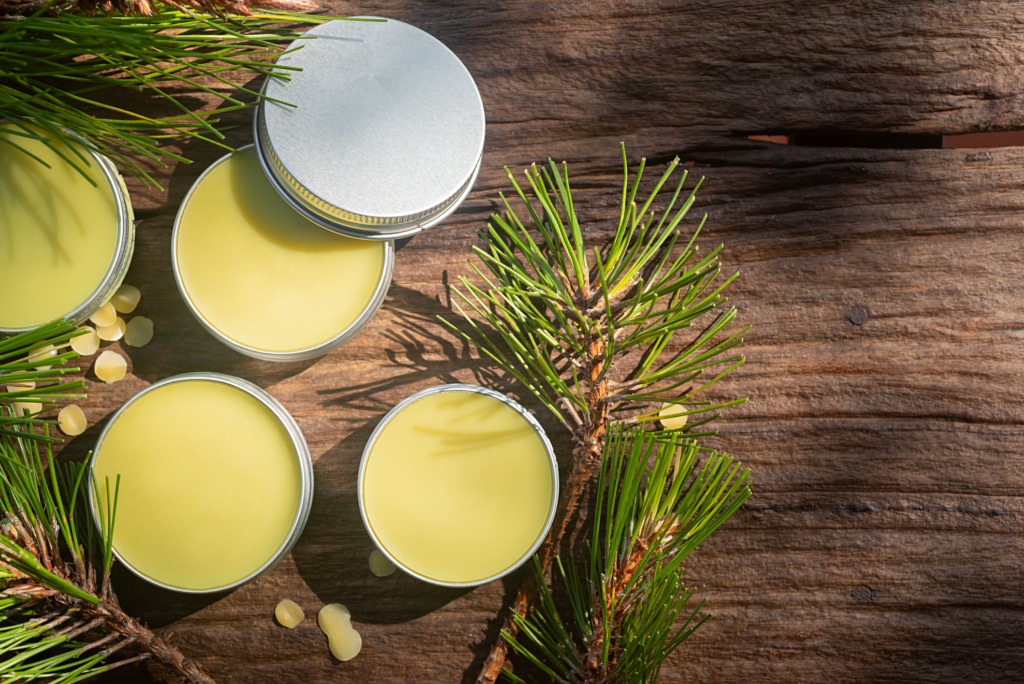
I always keep a resin salve in my first aid kit (especially with kids around!). For minor cuts, bruises, aches and pains, a well-made resin salve is hard to beat. And salves are just the beginning. Resins can also be worked into liniments for muscle aches and sports injuries, massage oils, body butters, infused oils, and creams. The range of topical applications is wide, and they're all worth exploring.
Note: For serious wounds or injuries, please seek professional care. But for everyday bumps, scrapes, and sore muscles, resins are absolutely my go-to.
Skin Support & Cosmetics
Resins have been at the heart of beauty routines and skincare since before the time of the ancient Egyptians, who used Frankincense, Myrrh, and other resins in everything from perfumes and makeup to daily skin rituals. Frankincense, in particular, is known for its skin-rejuvenating qualities, which have made it a sought-after ingredient in natural skincare for thousands of years. It is often used to support overall skin health and to help soothe blemishes, scars, and the appearance of fine lines, thanks to its anti-inflammatory and antioxidant properties.

Mental Health Benefits
One of the things I find most fascinating about botanical resins (and aromatic medicine in general) is how profoundly they influence the mind and emotions. Healers and spiritual practitioners around the world have known this for thousands of years, and modern research is starting to catch up with what they already understood.
Grounding
There's a word that gets thrown around a lot in wellness and natural health circles these days: grounding. At its core, grounding is the practice of bringing your awareness back into your body and into the present moment — a felt sense of being settled, stable, and connected to the earth beneath you. Tree resins are actually one of the most effective tools for cultivating a grounding energy, helping us feel more rooted, present, and embodied. Especially now, when so many people are living almost entirely in our heads: scrolling, thinking, staring at screens, disconnected from our bodies and the natural world around us.
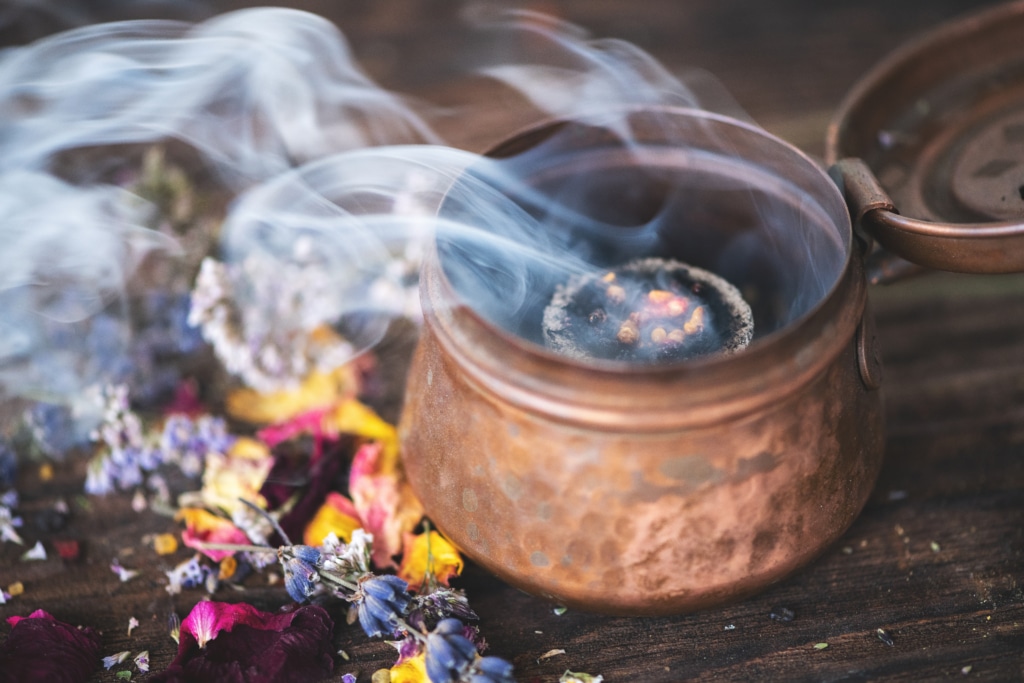
Working with resins as a daily ritual can be a real antidote to that. And it makes a kind of intuitive sense, doesn't it? These are medicines of the trees. If anything in nature embodies being rooted, grounded, and solid, it's a tree. When you burn a resin as incense with the intention of grounding, you're connecting with the energy of the tree it came from, and as you inhale, you really can feel that downward-moving quality — that calming, slowing-down sensation.
Emotional Balance
Throughout history, resins have been used to support emotional balance and mental health. Traditional healers in Ecuador have burned Palo Santo resin as incense for centuries to help people move through grief and loss. Frankincense has long been used to promote self-confidence and courage, and to help people overcome anxiety, stress, and certain forms of depression. In herbal astrology and traditional alchemy, Frankincense is associated with the sun, reflecting its ability to boost positivity, self-empowerment, and a general sense of inner brightness. (Learn more in our blog here: The Power of Frankincense.)
Elemi resin contains a naturally occurring compound called limonene — the same compound that gives Citrus peels their sharp, uplifting scent. Elemi has a similar bright, lemony energy. It's been known to support dopamine and serotonin production in the brain, help regulate the nervous system, and lower cortisol, the stress hormone that most people are carrying way too much of these days. Like Frankincense, Elemi is wonderful for lifting people out of heavy or dark-feeling emotional states. If Frankincense is like warm sunlight, Elemi is like a fresh citrus blast on a spring morning.
What makes resins especially valuable for meditation and contemplative practice is their ability to bring about a sense of calm while at the same time sharpening mental clarity. That combination — relaxed but alert — is a rare gift. It's part of why resins have been central to meditation traditions and ceremonial practices all over the world for so long. And it's something you really have to experience to fully appreciate.
Learn How to Make Irresistible Incense For
Enjoyment, Healing & Ritual with
✨ The Art of Incense Crafting Ebook ✨
Download Your Free Copy Below

Are you ready to learn how to craft your own natural incense? This free eBook covers the essentials of creating incense that burns beautifully and smells divine, exploring its role as an ancient aromatic medicine and sacred ritual tool. Avoid common pitfalls and unlock step-by-step instructions to make incense cones with ease.
Traditional Medicine Uses
Many resins have a long, well-documented history of internal use within traditional medicine systems, and certain applications are considered safe when used appropriately. Some cultures have even ingested specific resins in their raw form for centuries. Boswellia frereana, a species of Frankincense, has been used traditionally in the Middle East and North Africa as a natural chewing gum to support dental hygiene and freshen the breath.
Myrrh also has a rich history of use for oral health. It has been commonly used for tooth infections, gingivitis, canker sores, plaque buildup, bad breath, and toothaches. It is often prepared as a mouthwash or used in tincture form, and is still incorporated by some naturopaths and Ayurvedic practitioners into formulas that support both oral and digestive health. (Learn more about Myrrh in our blog post here.)
Note: Not all resins are safe for internal use. It’s best to work with resins internally only under the guidance of a qualified health professional.
To learn more about the ritual and spiritual uses of tree resins, check out the Magic & Medicine of Botanical Resins (Part 1) here.
Ways to Use Tree Resins
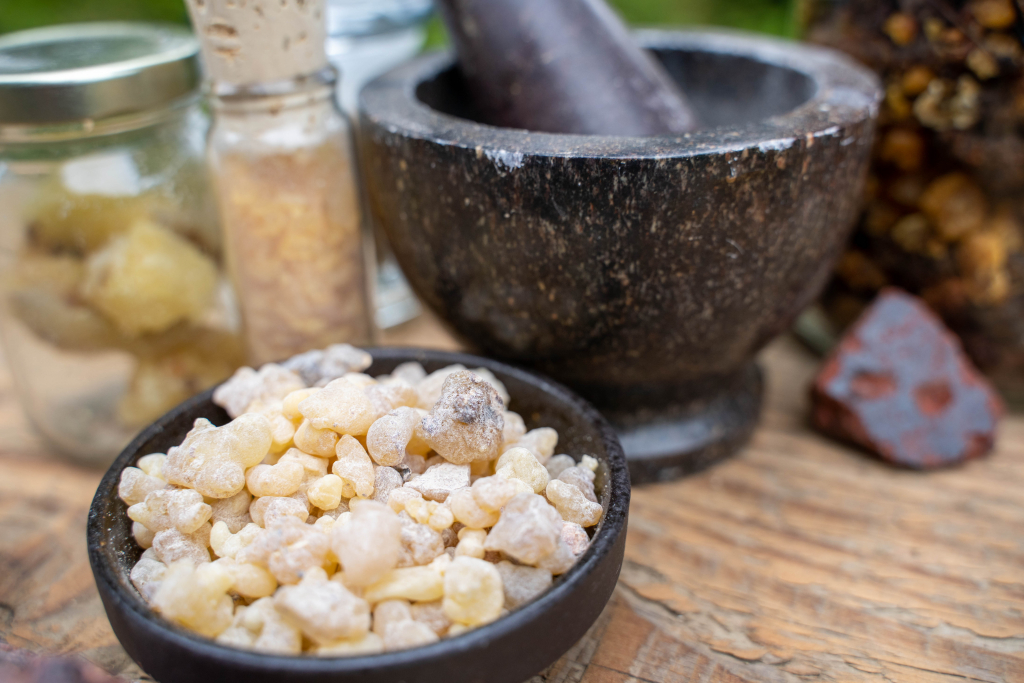
Now comes the fun part. Once you begin exploring resins, you quickly realize there isn’t just one way to work with them, and the best way to learn your favorite application is to just start experimenting! Pick a resin that calls to you, a preparation that interests you, and see what happens.
Here are some of the many directions you can go:
- Natural Perfume: Resins have been used in perfumery for thousands of years because of their rich, complex aromas and their ability to act as a fixative and deepen a scent. They add warmth, longevity, and a grounding base note to any natural fragrance.
- Cosmetics & Clean Beauty Products: From facial serums to body butters to lip balms, resins bring both gorgeous fragrance and serious skin-healing benefits to any beauty product you make. If you're moving away from synthetic ingredients and building a cleaner personal care routine, resins are a great place to start.
- Natural Incense: Burning resins as incense is one of the most traditional and direct ways to experience their effects. It allows you to connect with their aromatic qualities in real time, influencing the mind, emotions, and atmosphere around you. Check out our blog article to explore 3 step-by-step methods for burning resin incense.
- Infused Oils: Infusing resins into a carrier oil is one of the most versatile preparations you can make. Use them as-is in body or massage oils, add them to skincare formulas, or incorporate them as a base for other topical preparations like salves.
- Salves, Balms & Ointments: A well-made resin salve is something you'll reach for again and again. These are ideal for first aid, skin support, soothing muscle tension, and so much more.
- Topical Liniments: These alcohol-based preparations are designed to be rubbed into the skin, and resins are a perfect fit for them. They're great for sore muscles, joint pain, sports injuries, and anywhere you need deep relief.
- Internal Preparations (Teas, Tinctures & Cordials): Some resins have a long history of internal use in traditional medicine. Just make sure you've done your research, or are working with a knowledgeable practitioner, before heading down this path.
- Essential Oils: Resin essential oils can be wonderfully potent aromatic medicine and are worth having in your natural remedy toolkit, but it's important to understand their limitations. To access the full spectrum of a resin's medicine, raw preparations from oil or alcohol extractions are often your best bet.
Working with Botanical Resins
If you feel called to explore more…
Start by watching Part 1 (if you haven't already), then find a resin to work with on your own, whether you harvest it yourself or source it from a trusted shop (we recommend our sustainable sister company, Higher Mind Incense).
From there, follow the mindful incense meditation outlined in Part 1.
Burn the resin and sit with the aroma. Notice what shifts in your body, emotions, and mind. Try not to overthink it; just stay curious and present. You might be surprised by how much unfolds.
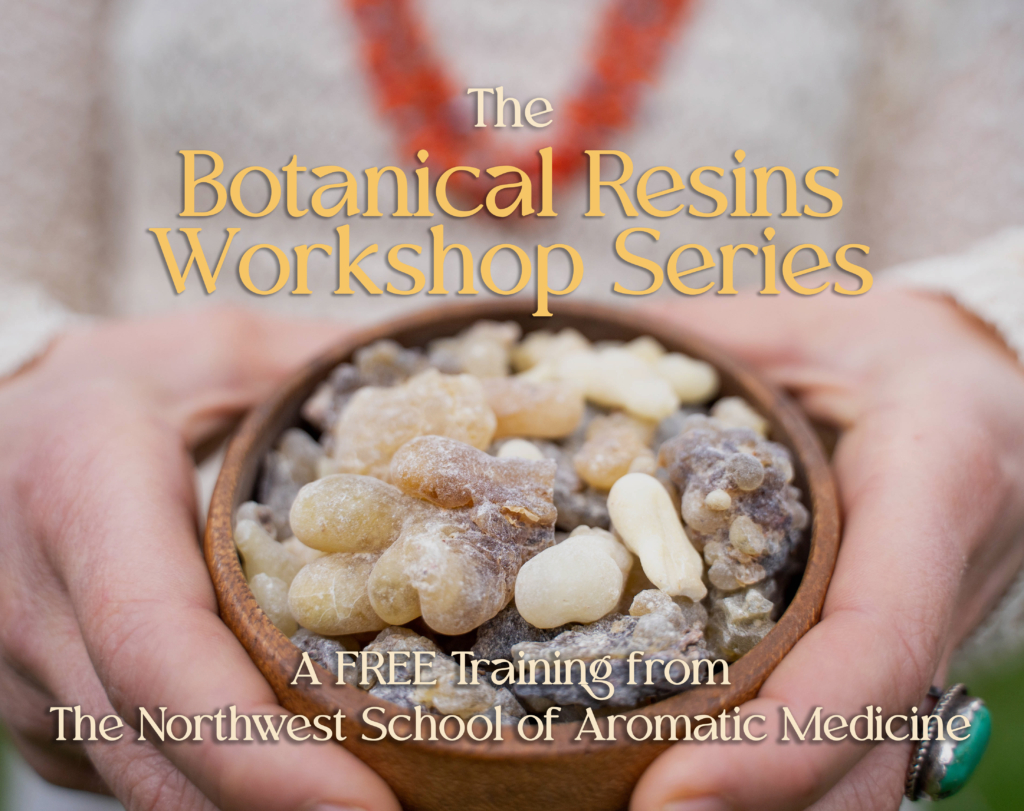
Ready to dive deeper into the realm of resins & gums?
Our free Botanical Resins Workshop Series is open!
Inside, you’ll learn how to:
✨ Understand what resins & gums are and how they differ from other botanicals
✨ Prepare & process resins so they become smooth & workable
✨ Avoid the common frustrations that cause most people to give up too soon
✨ Create resin-infused oils & a Frankincense salve from start to finish
You'll also get a free downloadable guide and recipe book — yours to keep to experiment with other resins and aromatic ingredients!
This free workshop series is only open for a limited time, so be sure to sign up and get started soon!
Video features Evan Sylliaasen

Evan Sylliaasen is the founder of the Northwest School of Aromatic Medicine and Higher Mind Incense. For the past decade, his incense company has been a leader in sustainability and conscious sourcing of aromatic plants. As the head instructor of his online school, he teaches aromatherapists, incense lovers, herbalists, and spiritually-minded folks the traditional art of incense crafting, incense as medicine, and the art of wild-harvesting aromatic plants responsibly.
Evan lives with his family in the foothills of the Olympic Mountains of Washington state. He channels his creative passions through writing, photography, woodworking, craftsman building, and music. When he’s not working, he’s out in the garden, forest and fields, walking along rivers, beaches, or in the mountains, breathing deeply.
© 2026 The Northwest School of Aromatic Medicine. All rights reserved.
*The statements above have not been evaluated by the FDA, and are for educational purposes only. This article is not intended to diagnose, treat, cure, or prevent any disease. This article should not be taken as medical advice. Please consult your physician before you use this information for health purposes.
