
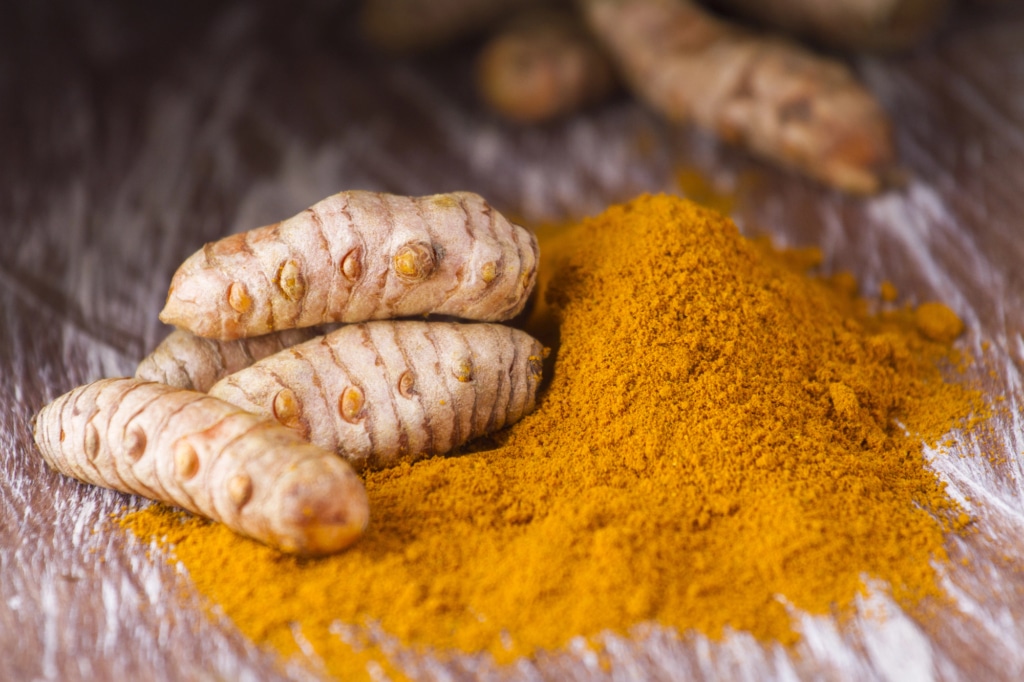
Winter is the most yin of all the seasons: inward, dark, quiet, conserving. In classical Chinese philosophy, yin and yang describe the great rhythm of life, opposing yet interdependent forces that move all things between expansion and contraction, light and dark, activity and rest. Yin is the cooling, descending, receptive current; while yang is the warming, rising, expressive one. In winter, yin reaches its peak. The world slows, the light dims, frost creeps across the land, and the earth herself seems to exhale and settle into quiet stillness.
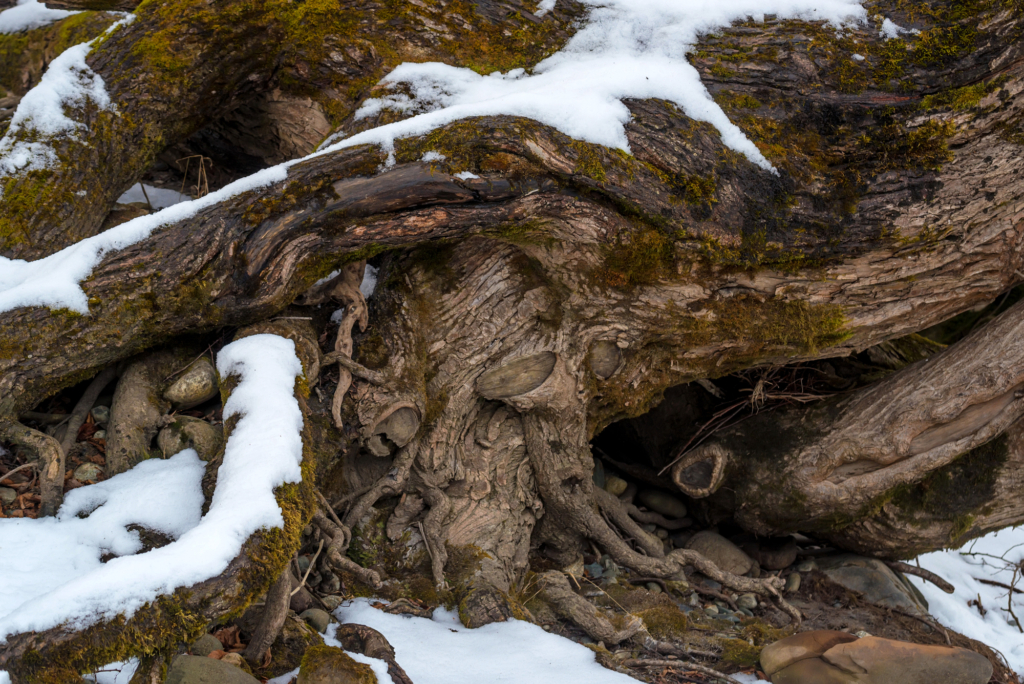
In nature, energy moves downward in winter. Plants instinctively know this isn't the time to grow outward – it's time to ground inward. Sap withdraws from branches and leaves and sinks into trunks and roots. Plants release their leaves, cease their blooming, and focus entirely on conserving energy deep beneath the soil.
Life concentrates itself underground, where warmth is steadier, nourishment is stored, and strength is sustained. The root becomes the plant's anchor and its storehouse through the cold months. Animals follow this same wisdom: bears curl into dens, insects burrow into bark and soil, amphibians sink into mud, and countless species enter states of dormancy or hibernation, conserving their life force until the light returns.
As animals of Earth, we humans mirror this cycle too, whether we realize it or not. Winter invites us inward, into our homes, into our bodies, into our inner landscapes. It asks us to slow down, to root ourselves, and to nourish what sustains us beneath the surface. We are called to tend our inner fire and honor the ancient winter wisdom of rest and regeneration. And just as plants draw strength from their roots, we too can draw upon the medicine of aromatic roots to support us through winter’s depths.
Aromatic roots are uniquely suited for winter support: anchoring us when we feel scattered, strengthening us when we grow weary, and protecting us when our defenses run thin. They carry the plant's deepest intelligence – the part that knows not just how to survive, but how to thrive. In this article, we'll explore the energetics of winter through the lens of aromatic medicine, discover why roots are winter's most essential plant allies, and meet the key aromatic roots of winter that can help us navigate these cold months with strength and vitality.
Winter Energetics in Holistic Medicine
Winter arrives with no announcement necessary: cold, often dry (though damp in some climates), dark, slow, and contracting. The world pulls inward, conserving rather than expanding. This seasonal shift ripples through our bodies and psyches in tangible ways. We may notice cold extremities – fingers and toes that never quite warm. Digestion can become sluggish, as if the body's metabolic fire burns on a lower setting. Energy reserves dip, and we feel the instinctive pull toward hibernation. Emotionally, winter invites introspection, but it can also bring vulnerability: to illness, melancholy, and the weight of darkness when it lingers for too long.
In traditional holistic medicine, we aim to work in relationship with the seasons, seeking balance rather than override. When winter brings cold, we answer with warmth. When it brings stagnation, we introduce movement. When it leaves us feeling ungrounded, depleted, or dimmed, we turn toward medicine that is stabilizing, fortifying, and nourishing to our reserves. From an aromatic medicine perspective, winter calls for herbs and aromatics that are warming, circulatory, grounding, immune-supportive, and emotionally stabilizing. And this is precisely where roots shine.
Roots represent depth, strength, stability, stored vitality, and survival intelligence. While leaves reach toward the sun and flowers open to pollinators (and soak up all the beauty and admiration from us), roots are busy doing the invisible, important work beneath the surface. They anchor the plant into the earth and draw minerals and water upward, providing stability and sustenance. They store the sugars and starches that will fuel next season's growth, cultivating vitality. Roots are the plant's foundation, emergency reserves, and connection to the earth itself.
Grounding & the Season of the Roots
You've likely heard yoga teachers, wellness practitioners, or spiritual guides speak of "grounding," but what does this word truly mean? Energetically, grounding means bringing awareness, energy, and presence back into the body, into the moment, and into relationship with the Earth. It is the opposite of dissociation, fragmentation, anxiety, or excessive mental activity.
To understand grounding, let’s look to the roots themselves. Roots anchor plants into the earth, holding them steady against wind, rain, and the changing seasons. Without roots, a plant would topple or drift. Roots provide stability, connection, and a literal link to life and nourishment. Similarly, aromatic roots anchor us into our bodies and into the present moment. When we feel scattered, anxious, overwhelmed, or disconnected from ourselves, we become ungrounded – like a plant without roots, vulnerable to every passing storm.
Grounding brings us back into balance, and working with aromatic roots helps restore this sense of rootedness. They remind us that we belong to the earth, we have a place here, and we can draw strength from the ground beneath our feet. Let's explore 5 amazing aromatic roots for winter wellness and grounding.
Top 5 Aromatic Roots for Winter
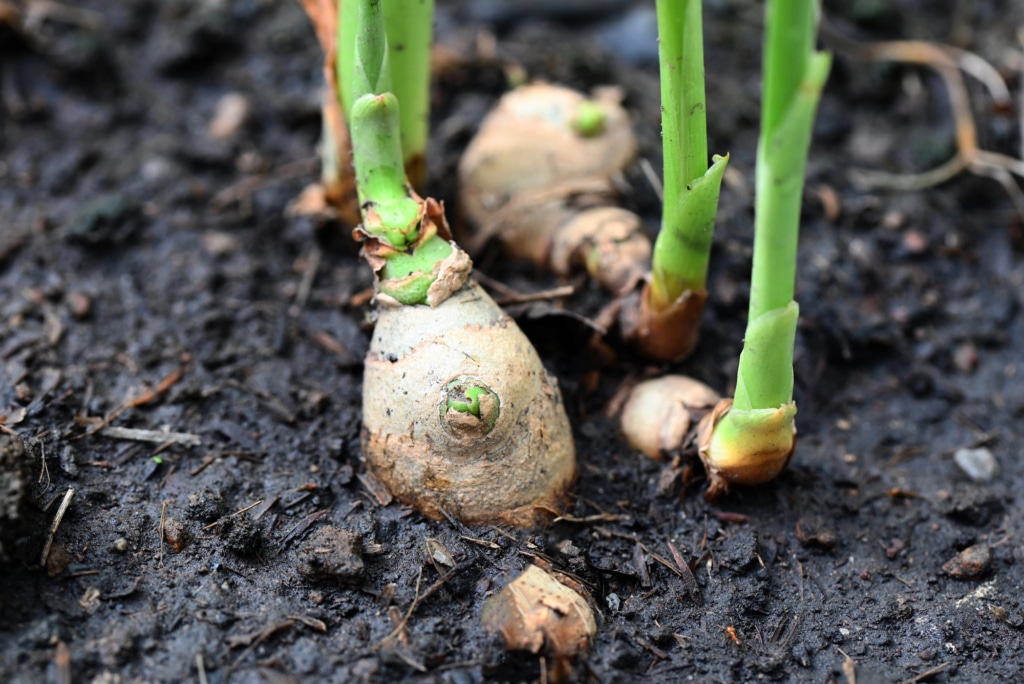
Ginger (Zingiber officinale)
Energetics: Hot, spicy, stimulating, dispersing cold.
If winter had an antidote, it might just be Ginger. This knobby, golden root burns with an inner fire that cuts through cold, stagnation, and sluggishness with remarkable efficiency. Ginger warms digestion and circulation, making it invaluable when the cold season dampens our metabolic fire. It supports immunity, helping the body mount a defense against winter's inevitable colds and flus. For those with perpetually cold hands and feet, Ginger helps move blood and warmth to the extremities, addressing the stagnation that settles into cold limbs.
As a root, Ginger is deeply grounding, offering stability while simultaneously fueling forward momentum. It helps anchor us in who we truly are, providing the motivation and courage to step fully into our most authentic selves. Ginger is the ultimate catalyst – an herbal force that dissolves hesitation, ignites passion, and burns away procrastination. When winter lethargy threatens to keep us small and still, Ginger stokes our inner fire, offering mental clarity and the warmth we need to keep moving.
Ways to Use Ginger Root:
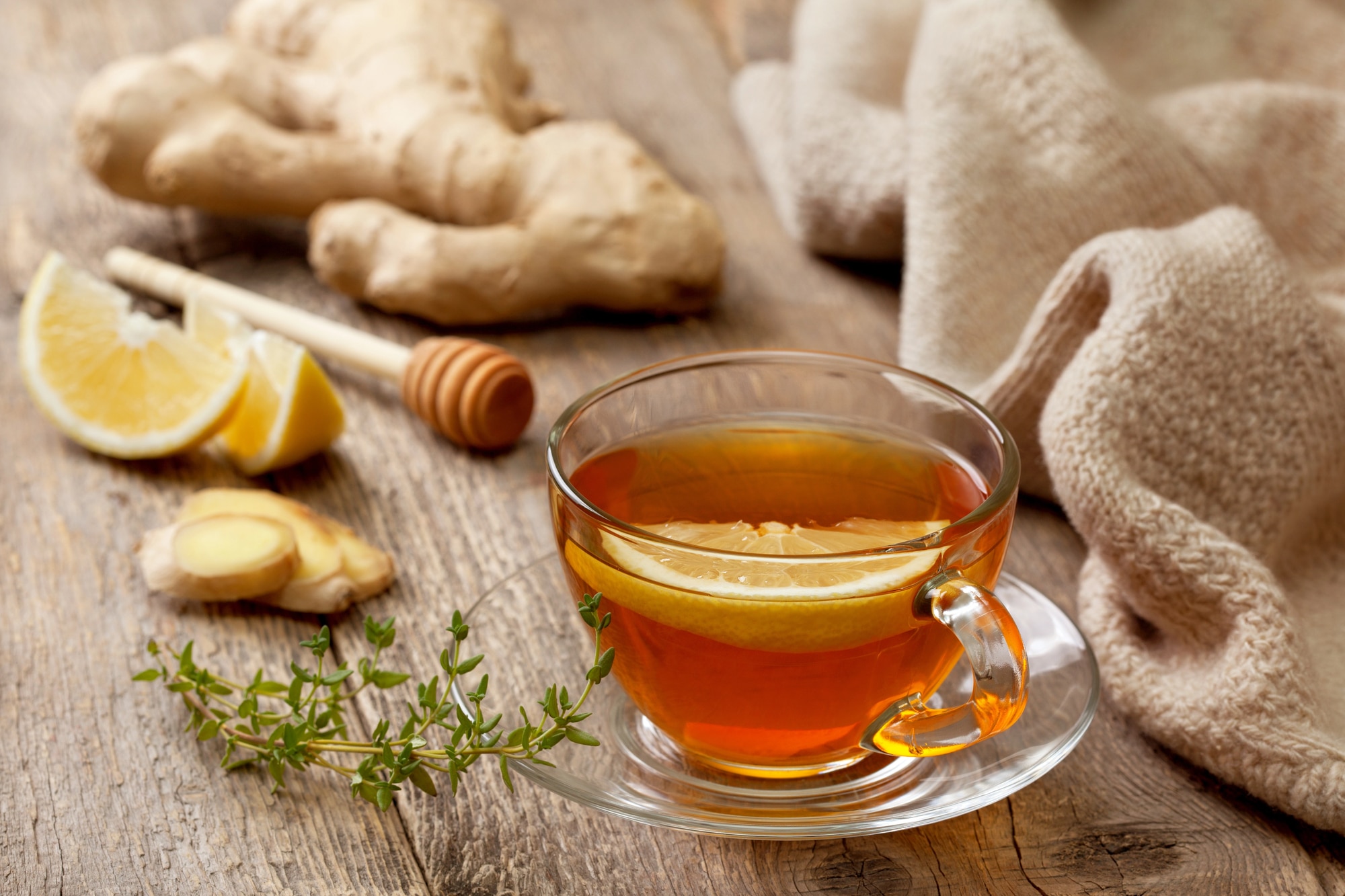
Ginger is extremely versatile, and it can be used both fresh or dried, internally and in aromatherapy. Slice or grate fresh Ginger to add to culinary dishes – think curry, soups, oatmeal, baked goods – and brew it in tea (nothing beats a Ginger decoction with fresh lemon and honey!).
For more inspiration on herbal remedies and aromatic ways to use Ginger, click here to read our full Ginger monograph, which includes instructions on how to make a successful Ginger Root decoction and a DIY Ginger Chew Recipe!

Vetiver (Vetiveria zizanioides)
Energetics: Cooling but deeply grounding, heavy, anchoring. Ideal for people who tend to run hot or feel overwhelmed with fiery emotions.
Vetiver root emits a distinctive earthy scent, reminiscent of freshly turned soil, with a fragrance that is deeply grounding, rich, smoky, and slightly sweet. This is the scent of the earth itself – patient, ancient, unshakable. Often called the “root chakra oil,” Vetiver is stabilizing and centering, helping us find balance amidst life’s movement and noise. Its aroma settles the mind, softens anxiety and worry, and gently restores a sense of realism, presence, and inner steadiness.
Also known as the “Oil of Tranquility,” Vetiver offers support to the nervous system, easing emotional turbulence while bringing a quiet sense of safety and balance. It is especially helpful for those who feel scattered, overwhelmed, or caught in cycles of overthinking and perfectionism. Cooling and soothing in nature, Vetiver draws us back into connection with the living Earth and with our own inner ground – away from striving, comparison, and material concerns, and toward simplicity, authenticity, and a felt sense of belonging within ourselves and the natural world.
Ways to Use Vetiver:
- Vetiver makes a lovely natural incense: Try grinding dried Vetiver root into powder to make into incense or adding Vetiver essential oil to your incense blends.
- Natural Perfume: Use Vetiver as a base note in natural perfume to add richness, depth, and earthy warmth to your blends.
- Topical: Or infuse dried Vetiver roots into a carrier oil to create a nourishing body oil or a grounding base oil for salves, balms, and perfumes. Or dilute Vetiver essential oil in a carrier oil and use it as a body oil, face oil (at very low dilution), or as an anointing oil for grounding rituals. For more details on how to safely dilute essential oils, check out our Essential Oil Dilution Chart.
- EO Diffuser: Diffuse 2–3 drops of Vetiver essential oil to create a calm, centering atmosphere in your space.
- Hydrosol: Spritz Vetiver hydrosol around the body or in the room for a gentle, grounding effect.
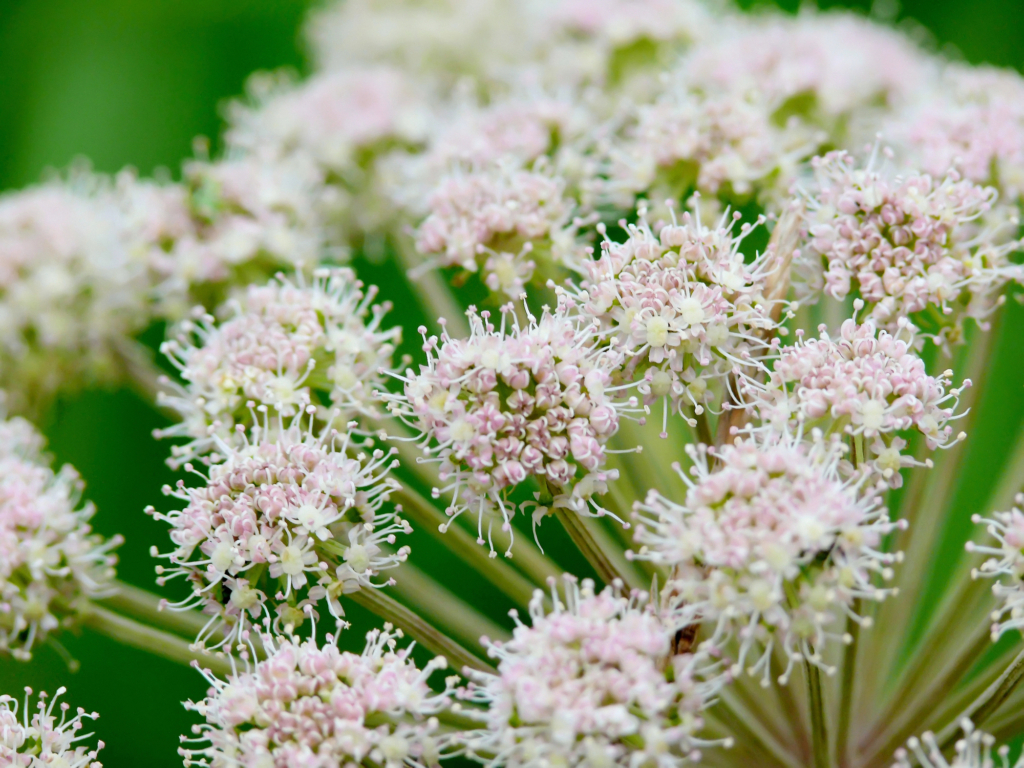
Angelica Root (Angelica archangelica)
Energetics: Warm, aromatic, protective, strengthening.
In ancient times, Angelica was called the "angelic herb," believed to protect against disease, poison, and unseen forces – a fortifying presence that builds resilience in both body and spirit. For this reason, Angelica root has stood the test of time in both herbalism and aromatherapy as a plant of warmth, movement, and protection. Its warming nature supports circulation, soothing cold hands and feet and helping move the vital force through the body.
Traditionally, Angelica has been used for respiratory ailments to help ease coughs, colds, and breathing congestion, making it a valuable remedy during winter's cold and flu season. It also helps relieve physical fatigue and stress-related conditions, strengthening the body's reserves. Bitter and aromatic, it gently stokes the “digestive fire,” especially when digestion feels cold, sluggish, or stuck, helping restore appetite, ease gas and cramping, and encourage the proper flow of digestive secretions.
On the emotional and spiritual levels, Angelica is a plant of deep reconnection. Often burned as incense to invite protection and guidance, it supports the journey of self-awareness by helping us face both our light and our shadow with compassion and courage. The plant's expression in the world – tall, robust, and unashamed to take up space – teaches confidence, self-trust, and alignment with one’s higher purpose. It gently illuminates the places within us where shame, doubt, or disconnection have taken root, offering warmth where there was numbness and clarity where there was confusion. For those who feel empty, lost, or cut off from their sense of self, Angelica helps guide us home to a place of wholeness, self-love, and inner belonging.
Ways to Use Angelica Root:
- Incense: Burn dried Angelica root or powdered root in natural incense blends for protection, grounding, and spiritual connection.
- EO Diffuser: Diffuse 3-4 drops of Angelica root essential oil to invite warmth, clarity, and gentle emotional support into your space.
- Natural Perfume: Use Angelica root essential oil as a heart-to-base note in natural perfume, where it adds warmth, depth, and a softly musky, green-spicy character.
- Tinctures: Add a small amount of Angelica root to digestive bitters tincture blends (it is quite potent, so about 10% of a formula is usually best!).
Learn how to make your own tinctures in our Art of Aromatic Preparations Course.
- Culinary: Angelic root is edible! Make traditionally candied Angelica root as a sweet, aromatic, and medicinal treat (see recipe below!).
Safety Note: Angelica root is phototoxic. According to "Essential Oil Safety" by Tisserand and Young, the maximum dermal use to avoid phototoxicity is 0.8% dilution ratio. To learn more about phototoxicity, read our Essential Oil Safety Guide.
Unlock Your Free Issue Of...
🌿 The Aromatic Medicine Garden Membership 🌿
Are you ready for a deeper, holistic dive into the world of aromatic plants? Our Aromatic Medicine Garden library is packed full of plant talk videos (featuring Vetiver, Angelica, Ginger, and more), pdf monographs, and step-by-step remedy tutorials. See what our membership is all about with your free sneak peek issue, including an hour-long plant talk and a 21-page plant profile pdf full of recipes and insights.

Calamus (Acorus calamus)
Energetics: Warming, clarifying, grounding, vitality.
Calamus root, also known as Sweet Flag, is a perennial wetland plant that grows along marshes, riverbanks, and muddy stream edges throughout much of Europe, Asia, the Middle East, and North America. Its aroma is earthy and herbal, warm and spicy, with a subtle cinnamon-like sweetness that has made it a treasured aromatic for millennia. Calamus was used in incense blends in ancient Mesopotamia and in the sacred Kyphi temple incense of ancient Egypt, and it is named in the Bible as an ingredient in holy anointing oil (Exodus 30:22–25). It also holds an important place in Ayurveda and Traditional Chinese Medicine, where it is valued for promoting mental clarity and wisdom. Historically, it even served as the base for the original calamine lotion and has long been used to soothe skin irritations.
In aromatic medicine, Calamus is known for supporting circulation, strengthening the nerves, and restoring energy during times of fatigue and emotional depletion. It cuts through the heaviness and mental fog of winter, offering a gentle clarifying warmth when the season’s darkness dampens focus and vitality. Where there is dullness, stagnation, or exhaustion, Calamus brings brightness and renewed presence, helping us feel clear, awake, and alive again.
Ways to Use Calamus Root:
- Incense: Grind dried Calamus root into a fine powder and use it in natural incense blends for mental clarity, focus, and energetic cleansing.
- Natural Perfume: Use Calamus-infused oil as a base note in natural perfumes, where it adds warmth, depth, and a subtly spicy-earthy character.
- Topical: Infuse dried Calamus root into a carrier oil for use in salves, skin creams, body oils, anointing oils, or hair care formulations.
- Ritual: Historically, Calamus has been used to enhance intuition. Try including Calamus root in ritual or meditative practices as incense, placed on an altar, or kept in a sachet for clarity, protection, and connection.
Safety Note: Calamus root is not recommended for internal use. Calamus essential oil can be irritating to the skin and is generally not recommended for topical application; it is best reserved for aromatic or perfumery use only.

Spikenard (Nardostachys jatamansi)
Energetics: Cool, deeply calming, grounding, restorative.
Indian Spikenard, also known as Jatamansi, is the aromatic root of a flowering plant in the honeysuckle family that grows at high elevations throughout the Himalayan regions of Bhutan, China, India, Myanmar, and Nepal. Revered for thousands of years, Spikenard holds a sacred place in the history of aromatic medicine, incense, and ritual. It appears in both Biblical and esoteric traditions, used by Mary of Bethany as an anointing oil and included in the Ketoret incense burned in the Temple of Solomon. With its deep, earthy, and musky aroma, Spikenard essential oil has also long been treasured in natural perfumery, as well as for its traditional medicinal uses, including its reputation for anti-inflammatory and antibacterial support.
Spikenard is closely related to Indian Valerian (Valeriana wallichii), and while both are calming to the nervous system, Spikenard is gently uplifting and clarifying rather than strongly sedating. As a nervine and heart-soothing herb, it has traditionally been used in times of grief, stress, and emotional or physical exhaustion. It is especially supportive during winter, when cold and darkness can weigh on the psyche. Rather than pushing us toward forced cheerfulness, Spikenard offers restoration, calming the nervous system, softening emotional heaviness, and creating space for whatever needs to be felt, integrated, and released. In this way, it becomes not only a herb of calm, but a medicine of tenderness, resilience, and deep inner rest.
Ways to Use Spikenard Essential Oil:
- EO Diffuser: Add 3–5 drops to an essential oil diffuser to create a calming, grounding, and emotionally supportive atmosphere.
- Topical: Dilute Spikenard essential oil in a carrier oil (such as jojoba, coconut, or sweet almond) before applying to the skin, and use as a gentle body oil or ceremonial anointing oil.
- Natural Perfume: Use in very small amounts as a deep, earthy base note in natural perfume blends for emotional grounding and aromatic depth.
Note: Spikenard is an endangered plant species. Please only purchase from ethical, sustainable, and verified sources. Learn more in our article, Saving Spikenard: The Sustainability Struggle. (You can find sustainable Spikenard essential oil from Aromatics International here.)
Honorable Mentions
While we love aromatic plant roots this time of year, we can’t forget about our other winter plant allies as well:
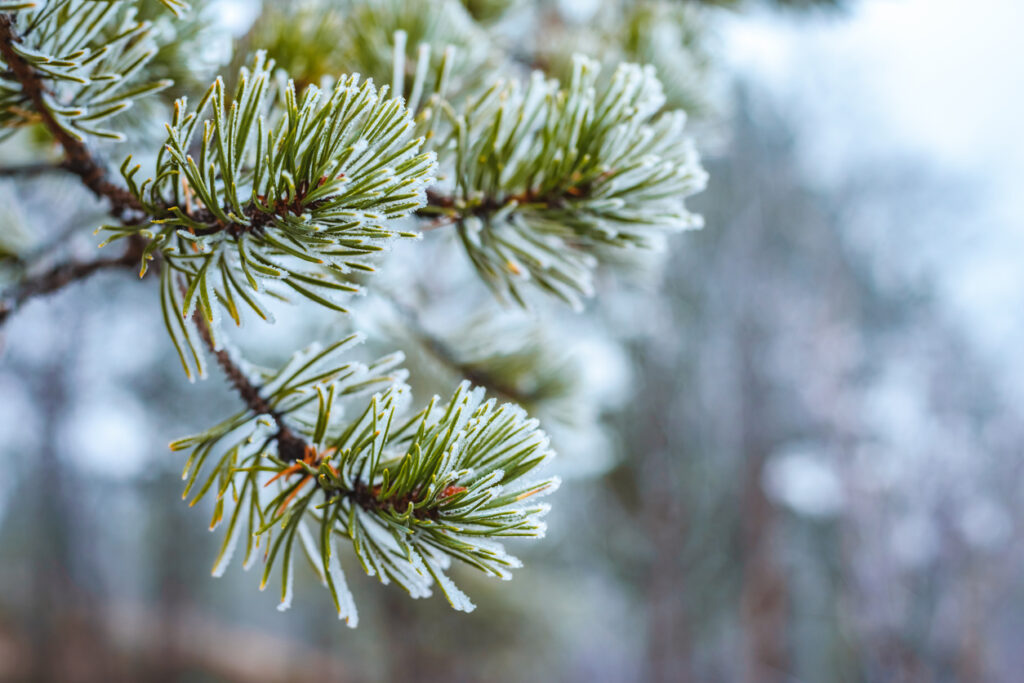
Evergreens like Pine, Fir, and Cedar symbolize everlasting life, perseverance, strength, and vitality. Their uplifting aromatherapy qualities remind us that life endures even through the coldest months. Learn more about the medicine of evergreens here.
Immune-boosting herbs like Rosemary, Thyme, and Oregano offer additional support during cold and flu season. Check out our Warming Herbs + Fire Cider Recipe article for more inspiration.
Candied Angelica Root Recipe
Candying Angelica is one of those old-world practices that sits right at the crossroads of medicine, ritual, and kitchen alchemy, turning a powerful winter root into something both healing and deeply delightful. There’s something magical about transforming a wild, bitter, aromatic root into a jewel-like, honeyed confection. This recipe captures Angelica’s warming, protective essence in a form that can be enjoyed throughout the winter months.
How to Make Traditionally Candied Angelica:
Tools & Ingredients:
Fresh Angelica roots & stems
Sugar
Water
Knife & cutting board
Saucepan
Drying rack
Glass jar for storage
Instructions:
1. The first step in making candied Angelica is to harvest fresh Angelica stems and/or roots. These are typically harvested in the spring or early summer when the plant is in full growth, and the stems are tender. Important: Make sure you properly identify the plant you are harvesting to ensure it is not the deadly Poison Hemlock lookalike!
2. Rinse the Angelica stems and roots thoroughly under cold water to remove dirt or debris.
3. Blanch the Angelica stems and/or roots in boiling water for a few minutes to soften them and remove any bitterness. This step helps to preserve the color and flavor of the Angelica as well.
4. Using a sharp knife, carefully score the blanched Angelica stems and roots lengthwise to create small channels for the sugar syrup to penetrate.
5. Prepare a simple syrup by combining equal parts sugar and water in a saucepan. Bring the mixture to a boil, stirring until the sugar is completely dissolved.
6. Add the scored Angelica stems and roots to the boiling sugar syrup. Reduce the heat and simmer gently until the Angelica is translucent and tender. This usually takes about 30 minutes to an hour, depending on the thickness of the stems and roots.
7. Once the Angelica is cooked, remove it from the syrup and place it on a wire rack to cool and dry. Allow the candied Angelica to dry completely before storing or using it in recipes.
8. Store your candied Angelica in an airtight container in a cool, dry place. It will keep for several months if stored properly.
To Use:
Candied Angelica can be enjoyed on its own as a sweet treat or used to decorate cakes, pastries, and other desserts. You could also incorporate it into medicinal food recipes for coughs or digestive system issues. Its unique flavor adds a distinctive touch to any culinary creation!
Rooting Into Winter
Winter is a season of centering. Roots show us how to move through this time with steadiness rather than force: how to conserve energy instead of pushing for growth, and how to build resilience slowly by storing what we’ll need for the seasons ahead. They remind us to stay warm, nourished, and grounded even when the world feels cold and dark.
As you move through winter, I invite you to slow down, listen inward, and work with the aromatic roots that resonate with you to find balance. Maybe it’s Ginger’s fierce warmth that reawakens you, or Vetiver’s patient stillness that helps you settle. Perhaps Angelica gently illuminates what’s been hidden, or Spikenard offers a place for grief to soften and rest. And even in the deepest cold, something is always alive beneath the surface, gathering strength, waiting for the right moment to emerge.

Curious to learn more about the art of energetics and how traditional holistic medicine works in harmony with the seasons?
Discover the profound wisdom of the Elements with our Foundational Mini-Course Bundle, including 2 transformative courses: The Elements and Personal Constitution & Aromatic Medicine. Deepen your understanding of holistic healing through the ancient systems of the Elements, Humoral Theory, and the Temperaments. Learn how to align plant remedies with personal needs, harnessing nature’s elements for balanced health and personal growth. (Includes your own Personal Constitution Quiz!)
Article Written By Melissa Szaro

© 2025 The Northwest School of Aromatic Medicine. All rights reserved.
*The statements above have not been evaluated by the FDA, and are for educational purposes only. This article is not intended to diagnose, treat, cure, or prevent any disease. This article should not be taken as medical advice. Please consult your physician before you use this information for health purposes.
