
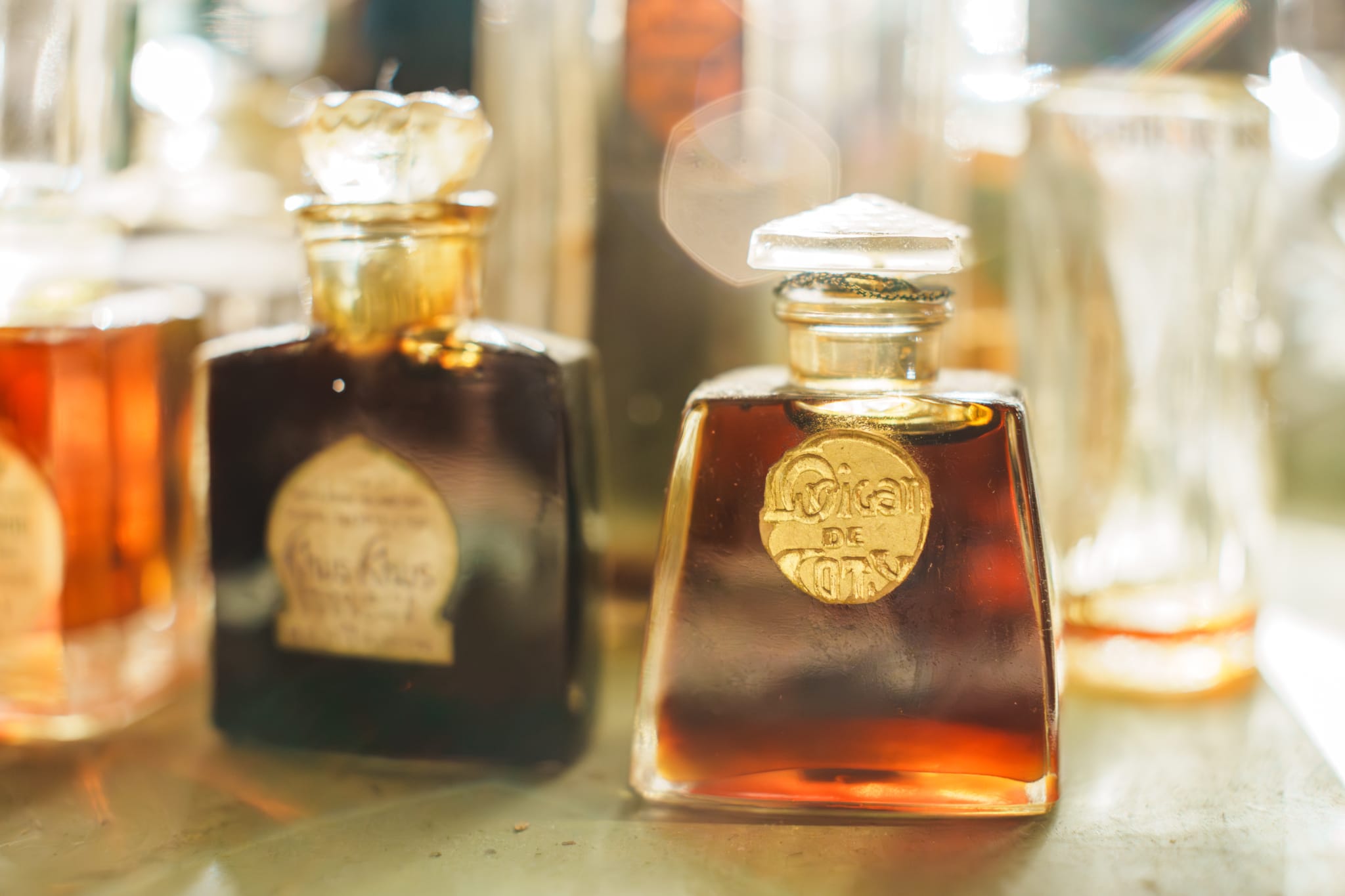
We live in a world saturated with scent. Our air fresheners, laundry detergents, cosmetics, body products, and even most perfumes are infused with synthetic fragrance compounds designed to imitate nature. But these ingredients are not only far removed from the living world, but many of them are also harmful to ecosystems and toxic to our bodies. It’s no surprise that so many of us are feeling the pull back to our roots, toward scent as nature intended.
Still, a persistent myth lingers in the perfumery world: that natural perfumes can’t compete. That they’re too unpredictable, too soft, too fleeting—that they won’t project or last beyond an hour. And this can be true… when a perfume is built without structure or foundation.
Some scents linger in the memory like a song that never quite finishes; others vanish the moment after we notice them. Why do some fragrances feel flat, fleeting, or empty, while others unfold like a story: dimensional, alive, and utterly satisfying? The difference isn’t synthetic additives. It’s balance.
Natural perfumery is a form of aromatic architecture – the art of composing time, not just smell. It is a doorway into a deeper relationship with plants, with the body, and with beauty itself. When we understand how scent is built, layered, and anchored, we begin to understand why certain perfumes feel whole… and why others do not.
When a perfume feels complete, it has foundation, body, and lift. It projects, lingers, and evolves. It speaks to the nervous system, stirs memory, and invites ritual. A natural perfume is never a single note – it is a sequence, a symphony of aromas unfolding in intentional harmony. When crafted with knowledge and skill, natural perfumes can absolutely rival their synthetic counterparts in both longevity and presence. It all comes down to understanding the foundation, balance, and chemistry of the ingredients themselves.
In our last blog, we explored the beauty and benefits of natural perfumery, the importance of stepping away from synthetic fragrance, and how aromatic plants used in aromatherapy also form the foundation of true botanical perfume. In this piece, we’ll journey deeper into the composition of natural perfumes, exploring how they are structured, how balance is created by notes, and how a formula becomes a symphony of aromas in harmony.
Understanding Natural Perfume Structure: Top, Heart & Base Notes
So what, exactly, is a natural perfume made of?
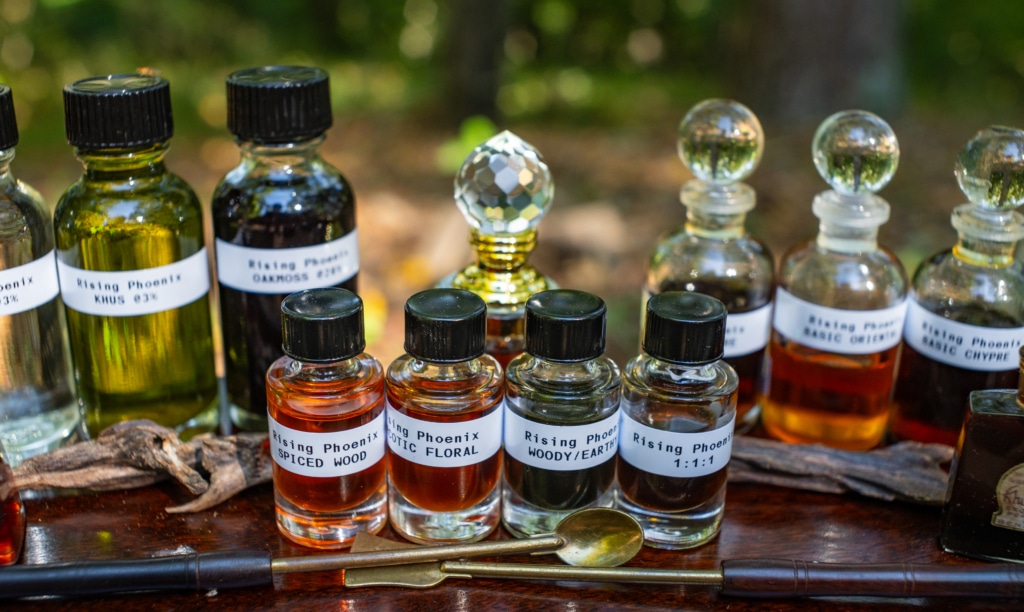
At its core, natural perfume is composed of aromatic materials derived from plants, primarily essential oils, absolutes, resins and extracts. These are obtained through traditional methods such as steam or hydrodistillation, CO₂ extraction, cold pressing, enfleurage, or solvent extraction. Each method reveals a different facet of the plant’s aromatic personality. (Some natural perfumes also contain aromatic materials derived from animals, or artfully use plant-based materials to mimic animalic aromas.) These botanical essences are then blended and diluted into a carrier – most often alcohol, plant oils, waxes, or other natural bases – depending on whether the perfume is intended to be a spray, oil, or solid.
Like a well-composed melody, a perfume unfolds in layers over time. These layers do not exist in isolation – they speak to one another, overlap, and flow. Every balanced perfume is shaped around a three-part structure: top notes, heart notes, and base notes.
These categories are based on the chemistry and natural volatility of a plant’s aromatic compounds. Top notes are made of lighter molecules that evaporate quickly, giving way to the heart notes, and eventually the base notes, the heaviest and longest-lasting aromatic compounds. The top notes are the bright, fleeting first impression; the heart notes are the emotional center and character of the scent; and the base notes are the deep, grounding foundation – the memory that lingers long after the first encounter.
It’s important to mention that these note categories are guides, not rigid rules. A plant’s aromatic behavior can change depending on which plant part is used (leaf, root, wood, berry, flower, etc.) and how it’s extracted. A steam-distilled essential oil might present as a top note, while the same plant as an absolute or CO₂ extract may settle into the heart or base. Some plants naturally span multiple note categories, acting as aromatic “bridges” that weave the composition together. This fluidity is part of what makes natural perfumery not just a craft or hobby, but an ever-evolving art form.
Let’s explore the fundamental concepts of top, heart, and base notes, some common examples of each, and break down how to build a balanced natural perfume, note by note.
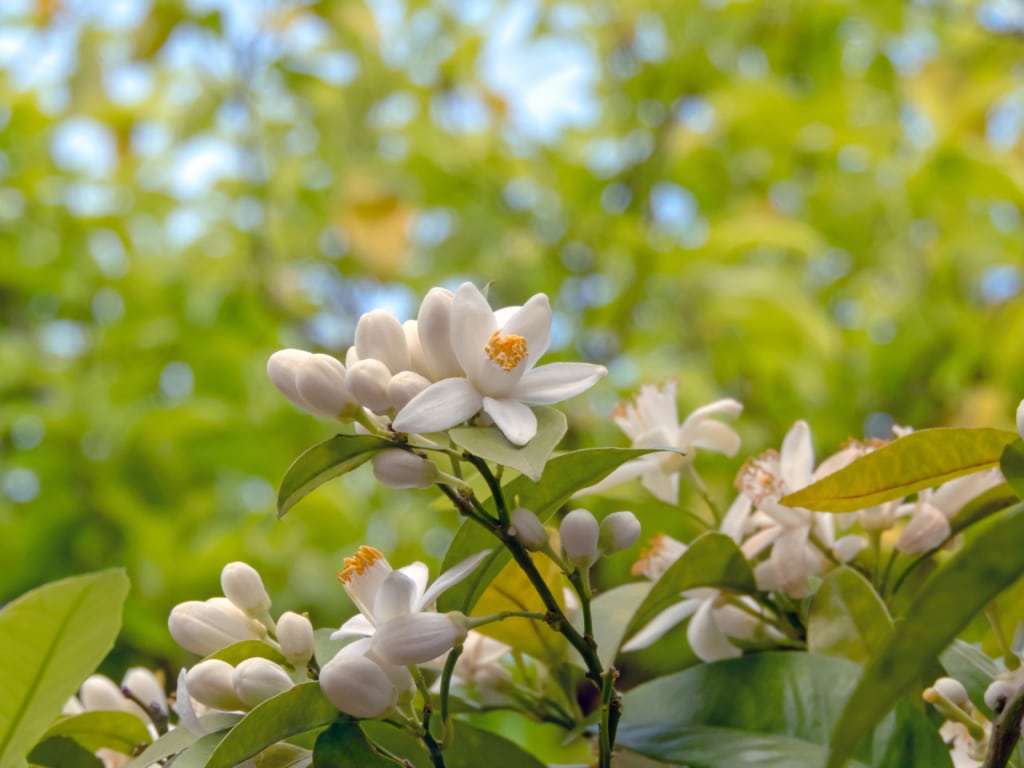
Neroli (Citrus aurantium)
Top Notes: The Invitation
Top notes are the first words of a perfume. They are light, volatile, and ephemeral. They create the first impression, opening the senses and setting the mood before gracefully stepping aside. These are the scents that greet you immediately upon application, bright and sparkling, then dissolve within minutes to an hour. Their existence is brief, yet their impact is immediate. Top notes are the perfume’s handshake: captivating, inviting, and unforgettable.
Common Top Notes:
Bergamot (Citrus bergamia) offers luminous, light, sweet, and slightly spicy citrus notes with subtle floral undertones. It's a favorite opening in both classic and contemporary natural perfumes for its refined brightness. Its uplifting qualities are commonly used in aromatherapy for soothing stress and anxiety.
Citrus oils (Lemon, Grapefruit, Sweet Orange, Neroli, Yuzu) each bring their own character. Lemon is sharp and clean, Grapefruit is tangy and effervescent, Sweet Orange is warm and joyful. Neroli, distilled from Bitter Orange tree flowers, adds a honeyed floral complexity with sweet, subtle green notes.
Petitgrain (Citrus aurantium) is steam-distilled from the leaves and twigs of the Bitter Orange tree, offering a green, woody-citrus aroma with subtle floral hints. It bridges the freshness of citrus with the herbaceousness of heart notes, making it a versatile, popular choice in perfumery.
Pine needle (Pinus spp.) is crisp, resinous, and forest-fresh, evoking the scent of sunlight filtering through evergreen branches. It brings an invigorating, clean quality that feels both grounding and expansive. Pine needles also have many therapeutic effects in herbalism and aromatherapy.
Lavender (Lavandula spp.) walks the line between top and heart, with its herbaceous-floral sweetness and soft camphoraceous lift. Calming yet vibrant, it's a bridge that can anchor lighter compositions or soften sharper notes.

Middle/Heart Notes: The Soul of the Perfume
Middle notes emerge as the top notes fade, revealing the emotional center of the perfume (which is why they’re often called the “heart notes.”) These are the notes that carry the theme and feeling of a formula – the story you want the scent to tell. They're more stable than top notes, often floral, herbal, or softly green, and they bridge the ephemeral top and the enduring base, carrying the perfume’s character forward.
Common Heart/Middle Notes:
Rose (Rosa spp.) is the “Queen of Flowers” in perfumery – lush, romantic, and multidimensional – and is used in many forms. Rose has sweet, fresh, and floral notes, ranging from light and dewy to rich and jammy, depending on the species and extraction method, with soothing, comforting qualities for the nervous system.
Rose Geranium (Pelargonium graveolens) has a green-rosy sweetness with subtle minty and citrus facets. Often called "the poor man's Rose" (because it's cheaper than Rose essential oil), it's far from inferior – it adds balance, brightness, and a touch of herbaceous complexity.
Jasmine (Jasminum spp.) is complex, intoxicating, and deeply sensual. Its aroma is warm, rich, hypnotic, and indolic – both sweet yet animalic – with a presence that can carry an entire perfume or add opulent depth to a blend. The flower’s uplifting aroma is traditionally used to ease stress, nervousness, exhaustion, and insomnia. Learn more about Jasmine's benefits here.
Clary Sage (Salvia sclarea) offers a soft, herbaceous sweetness with nutty, musky, almost tobacco-like undertones. It's grounding without being heavy, and it has a dreamy, slightly ethereal quality that adds mystery and warmth. Its aroma has a calming effect that’s commonly called upon to ease stress and nervous tension.
Frankincense (Boswellia spp.) is a curveball in perfumery! Though often listed as a base note, Frankincense truly shines as a top-to-heart note. Its resinous, lemony-pine aroma is uplifting and otherworldly, with a sacred, meditative quality that links brightness to depth in unexpected ways.
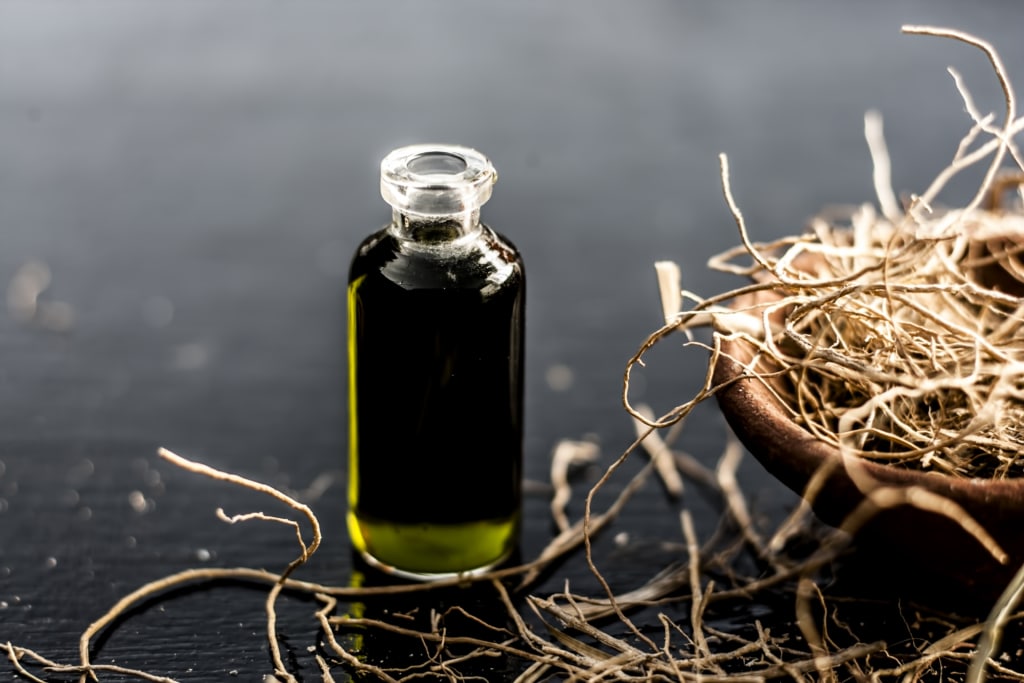
Vetiver (Vetiveria zizanioides)
Base Notes: The Foundation and Memory
Base notes are the foundation upon which everything rests – without them, the perfume crumbles. Composed of heavier, slow-evaporating molecules, base notes ground the scent, lending it depth, warmth, and staying power. They are the roots of a perfume, holding the ephemeral top and expressive heart in harmony.
Common Base Notes:
Cedarwood (Cedrus spp., Juniperus spp.) is warm, woody, and earthy, like freshly cut timber. Each species offers a subtly different aromatic profile. It can add structure and staying power without overwhelming more delicate notes, and is commonly used for grounding and protection in aromatic medicine.
Myrrh (Commiphora myrrha) is resinous, slightly bitter, and deeply earthy with hints of licorice and vanilla. It has an ancient, contemplative quality that grounds floral and citrus notes beautifully while adding a mysterious, amber-like warmth. To learn more about Myrrh’s benefits, watch our vlog here.
Sandalwood (Santalum spp.) is creamy, soft, and subtly sweet with a milky-woody richness. It's one of the most popular base notes in perfumery, prized for its ability to smooth and harmonize while adding a luxurious, skin-like warmth. In aromatherapy, Sandalwood is commonly utilized to soothe stress and nervous tension.
Agarwood (Oud) (Aquilaria spp.) is dark, complex, and profoundly rich – woody, animalic, sweet, and slightly medicinal all at once. Agarwood is considered one of the most precious materials in natural perfumery, offering an unmatched depth and intensity.
Vetiver (Vetiveria zizanioides) is earthy, smoky, and deeply rooted – literally, as it's distilled from the grass's roots (the prized, wild-harvested North Indian variety is known as Khus in the perfumery world). It has a dry, woody-green character with subtle sweetness and a grounding, centering quality that anchors even the most ethereal blends. Learn more in our vlog: Vetiver Essential Oil Benefits and Versatility.
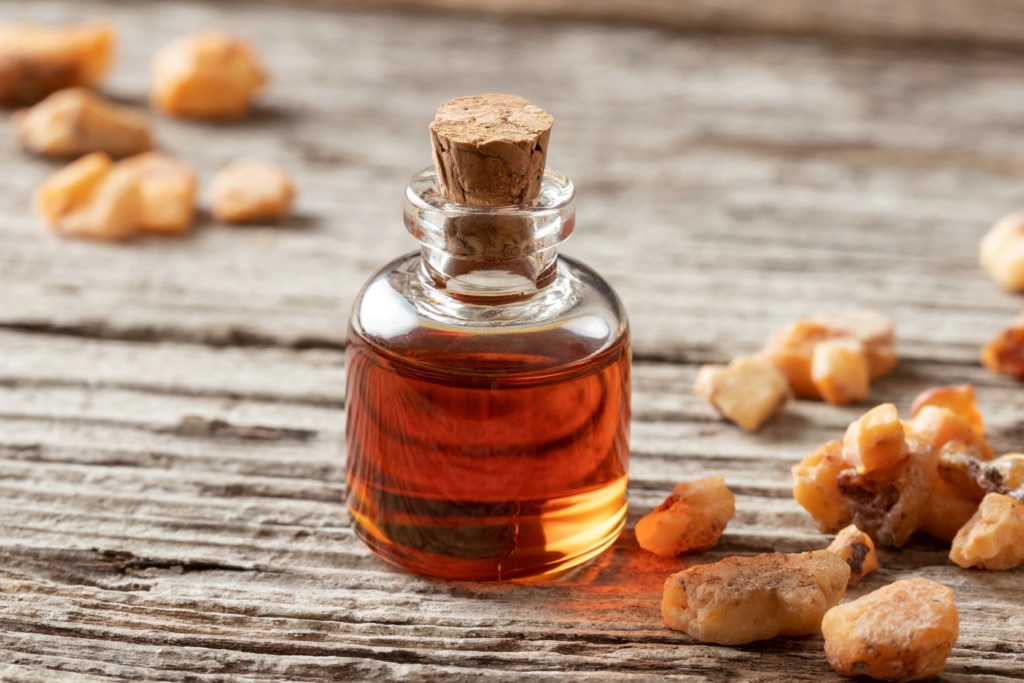
Benzoin Resin (Styrax benzoin)
Fixatives: Why Natural Perfumes Can Last
One of the most common questions in natural perfumery is, “Why doesn’t my natural perfume last more than an hour?” The answer is usually not the ingredients themselves, but the structure of the formula – and often, the absence of true fixatives.
There’s a persistent perfumery myth that longevity requires synthetic materials. In reality, synthetics became dominant in the industry because they are inexpensive, uniform, and easy to scale, not because they are inherently superior. They do offer staying power, but often at the cost of flattening a perfume’s natural evolution. Natural fixatives, on the other hand, preserve the fragrance’s living architecture. They allow a scent to unfold slowly, breathe on the skin, and mature over time, rather than appearing all at once and fading abruptly.
Fixatives are materials that slow the evaporation of more volatile molecules, anchoring them to the skin and extending the life of the perfume. They work through a combination of molecular weight (heavier molecules evaporate more slowly), resinous or balsamic qualities (which gently “hold” lighter aromatics), and their ability to bind with more volatile compounds.
Natural fixative examples include botanicals like Benzoin (a sweet, vanilla-like resin), Labdanum resin (amber-like and rich), Oakmoss (earthy and tenacious), Sandalwood (creamy and grounding), Peru Balsam (warm and balsamic), Orris root (powdery and violet-like, from aged iris rhizomes), and Vanilla (sweet and comforting). Together, they represent just a small part of the natural perfumer’s vast botanical palette.
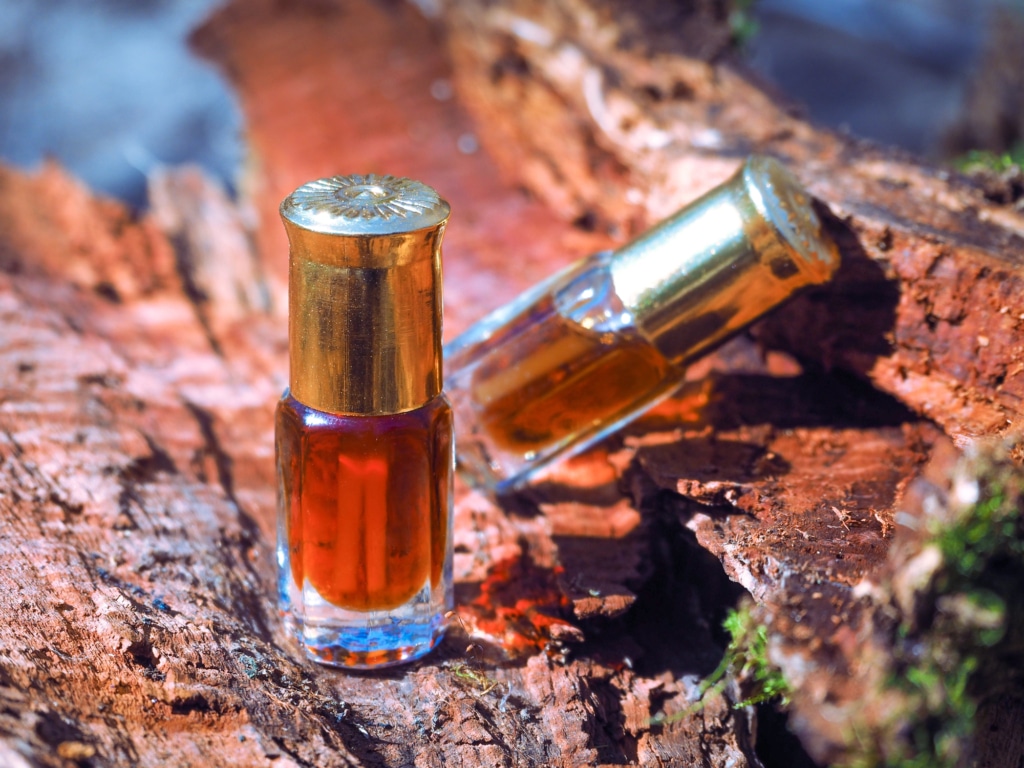
Creating Harmony & Balance: Learning the Language of Scent
Harmony in perfumery arises when no single layer overwhelms the others – when each note has room to breathe, and the fragrance evolves gracefully from first impression to final trance. It’s the art of balancing lift and depth, brightness and gravity, structure and flow, and using just enough fixative to allow the formula to unfold exactly as it’s meant to.
One of the great gifts of natural perfumery is that the perfumes themselves are alive. They carry the living essence of plants, and like all living things, they change with time. They soften, mature, and deepen as the molecules settle into a relationship with one another. A perfume that smells one way fresh from blending may reveal new dimensions after two weeks of rest – and still more after two months. On the skin, it continues its transformation, responding to your unique chemistry and becoming something intimate, personal, and entirely your own.
This is the language of living scent. And it isn’t a flaw – it’s the magic.
Natural perfumes grow. They breathe. They teach us to experience beauty not as something fixed and finished, but as something that unfolds. There is something about natural perfumery that reaches us beyond words. It’s not just the fragrance, but the emotional and energetic effect it carries. Working with essential oils traditionally used in aromatherapy for their uplifting and stress-soothing qualities can shape the psyche in subtle but deeply meaningful ways.
If you’ve ever felt drawn to fragrance, to the poetry of plants, the alchemy of blending, and the wonder of creating something beautiful with your own hands – consider this your invitation. Natural perfumery is not just an art form, but a practice of listening. Of building relationships with the plants. Of learning to trust your nose and intuition. And while it may feel complex at first, its foundations are simple, learnable, and deeply rewarding.
Curious about how to find the right balance between top, heart, and base notes? Wondering how to build a formula that’s both harmonious and long-lasting?
Stay tuned for a special announcement coming next week — we’ll be sharing an exciting way to explore the art and architecture of natural perfume more deeply.
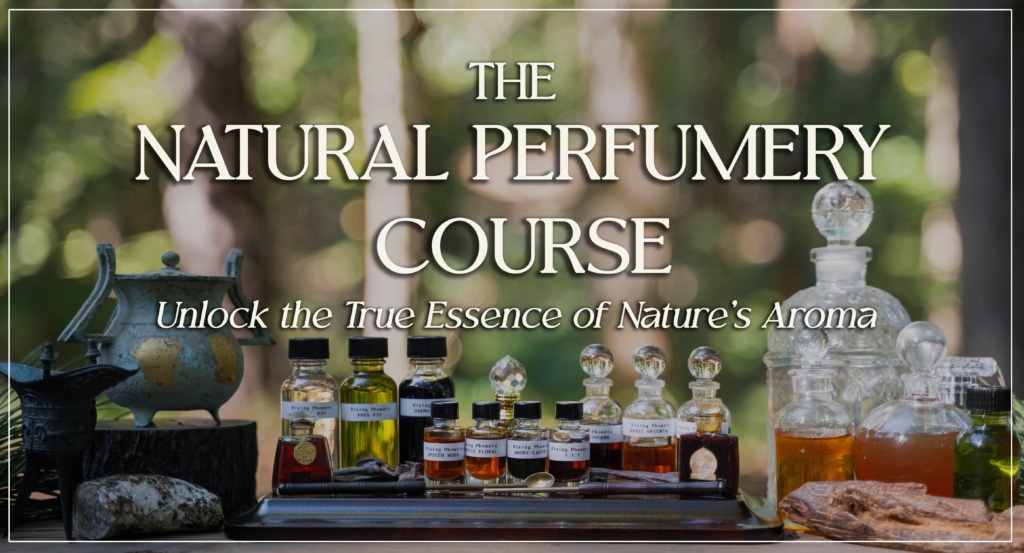
Immerse yourself in the art of natural perfumery and learn to create custom, all-natural fragrances – from sprays to attars, solid perfumes, and more – using 100% natural ingredients. Gain the confidence and expertise to design captivating, long-lasting scents for personal enjoyment, luxurious gifts, or even a thriving business. Enrollment opens just once a year – click here to learn more and join the waitlist so you’ll be the first to know when doors open again!
Article Written By Melissa Szaro

© 2026 The Northwest School of Aromatic Medicine. All rights reserved.
*The statements above have not been evaluated by the FDA, and are for educational purposes only. This article is not intended to diagnose, treat, cure, or prevent any disease. This article should not be taken as medical advice. Please consult your physician before you use this information for health purposes.
