
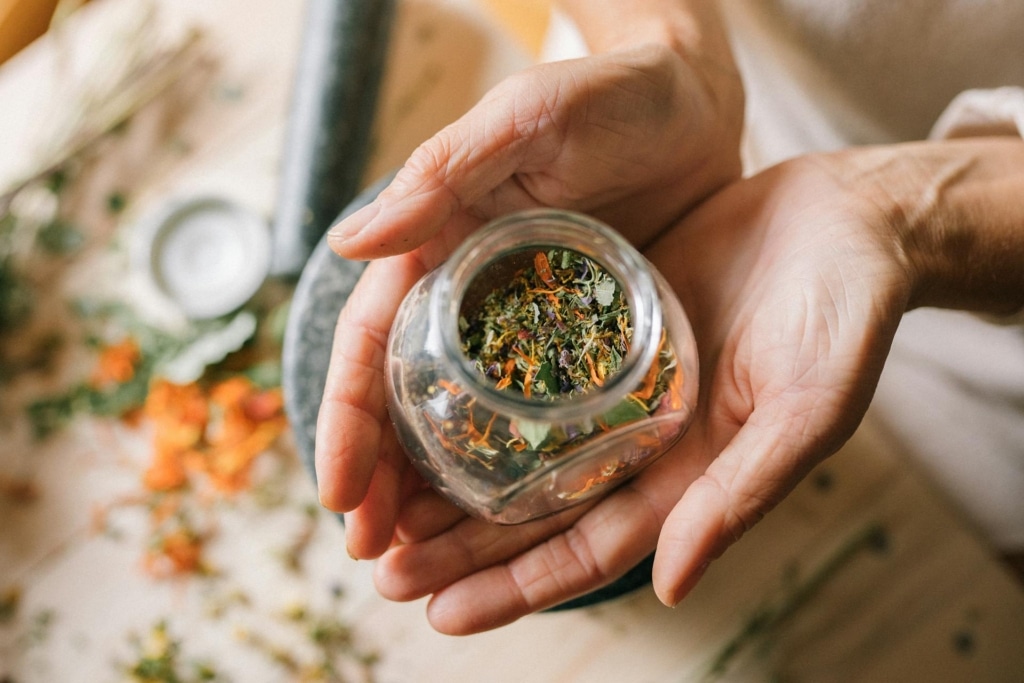
For thousands of years, aromatic plants have been an important part of women's lives. Their fragrances have filled kitchens where stews and herbal teas simmered on the stove, herbal baths where petals floated across warm water, and medicine cabinets stocked with oils, tinctures, and dried plants. Long before modern wellness trends, women turned to fragrant plants to calm frazzled nerves, ease discomfort, lift heavy moods, heal their families and communities, and restore balance to the rhythms of the body.
To be a woman in the world today comes with a myriad of challenges. With a never-ending to-do list and the weight of work, family, and everything in between, taking care of ourselves usually ends up last on the list. Self-care becomes the thing we'll get to eventually. Except eventually rarely comes.
Yet self-care doesn’t always have to be complicated or time-consuming. Sometimes, the smallest rituals can have the greatest impact. This is where aromatic medicine truly shines. Many of the versatile aromatic plants of the world have long traditions in both herbalism and aromatherapy, offering support for the body and mind through scent, flavor, and subtle energetic qualities.
This might look like slowing down to brew a cup of herbal tea. Diffusing a calming essential oil blend at the end of the day. Lighting an incense crafted with intention. Carrying a hydrosol in your purse for moments when you need to come back to yourself. These tiny acts can help create moments of calm and care in busy lives, and over time, those moments add up.
In honor of Women's History Month, we're exploring some of our favorite aromatic herbs for women's health: their traditions, their benefits, and simple ways to bring them into your life. We're also sharing a DIY belly massage oil recipe you can easily make at home.
In this article, “woman” is used as an inclusive term, referring to anyone who identifies as a woman and to people born with uteruses.

The Unique Power of Aromatic Medicine
One of the most beautiful things about aromatic medicine is its versatility – it's where aromatherapy meets herbalism, meaning a single plant’s benefits can be experienced aromatically, topically, and internally. Many aromatic herbs are not only pleasant to smell, but also contain therapeutic compounds within their volatile oils. Because of this, many of them can be safely consumed and enjoyed as teas, tinctures, cordials, electuaries, and other herbal preparations.
So what makes aromatic herbs so special for women's health? They also add something a little more elemental – scent is one of the most direct pathways to our inner world. When we inhale an aromatic compound, it travels almost instantly to the limbic system, the part of the brain governing emotion, memory, and hormonal regulation. This is why a whiff of Lavender can soften your shoulders before you've even consciously registered the smell, or why Rose can give you a wave of comfort you didn't even know you needed.
Aromatic herbs often influence the nervous system and emotional landscape at the same time. And when aromatic plants are prepared as teas, foods, or topical remedies, their fragrance becomes part of the healing experience, influencing the body the moment it is inhaled.
From a women’s health lens, some of the most common therapeutic actions of aromatic herbs include:
- Nervines: calming and nourishing the nervous system
- Antispasmodics: easing muscular tension and cramping
- Circulatory stimulants: promoting movement of stagnant blood, particularly in the pelvic region (often called emmenagogues)
- Hormone-modulating aromatics: gently supporting hormonal balance
- Uterine tonics: strengthening and supporting uterine health over time
- Anti-inflammatories: soothing irritation and inflammation internally and externally
Because of these actions, aromatic herbs can walk with us through the many rhythms and transitions of life, from adolescence and hormonal cycles to periods of stress, caregiving, and the changes that come with aging.
A Word of Caution Before We Begin
Women's health is beautifully complex. The herbs shared here are traditionally used to support women's health and wellbeing, but they are not a substitute for working with a qualified healthcare provider, especially when it comes to hormone balancing or underlying health conditions. Herbs are one powerful piece of the holistic health puzzle, alongside diet, sleep, movement, stress management, hydration, and so much more. Always consult a health professional before starting any herbal regimes.
6 Aromatic Herbs for Women’s Health

Rose (Rosa spp.)
If there is one plant that has been cherished by women across cultures and centuries, it is Rose. Far more than a symbol of love, Rose has long been a protector of the emotional heart: cooling, soothing, and nourishing to the spirit. Rose has a remarkable way of carrying us through difficult moments. Like a soft embrace, its presence can ease emotional distress, soften grief, and bring comfort during times of heartache.
Beyond its emotional support, Rose also offers important physical benefits. Its nervine qualities help soothe the nervous system, while its mild astringent and antispasmodic actions help tone and calm the reproductive organs. Traditionally, Rose has been used to support irregular menstruation, heavy menstrual bleeding, and other uterine imbalances. In fact, the ancient physician Hippocrates recommended Rose oil as a remedy for uterine concerns.
Rose is particularly helpful when the emotional and physical aspects of the menstrual cycle intersect. It has traditionally been used to soothe PMS-related irritability, ease menstrual discomfort, and provide emotional support during the postpartum period. Its gentle, cooling energetics make it especially helpful when emotions run hot: anger, grief, heartbreak, or the kind of overwhelm that makes you want to cry without knowing exactly why.
Rose embodies both openness and healthy boundaries, which is reflected in its bright, vivid flowers and protective thorns. In aromatic medicine, its floral fragrance reaches deep into the emotional body, offering comfort, courage, and a gentle reminder that vulnerability can also be a source of strength.
Ways to use Rose: Rose hydrosol (mist it on your face or over your heart), Rose-infused oils for self-massage, facial steams for skincare rituals and emotional support, herbal baths full of Rose petals (so dreamy), Rose-infused incense blends, aromatic teas brewed from dried petals, or Rose glycerite in teas or mocktails (yum!).
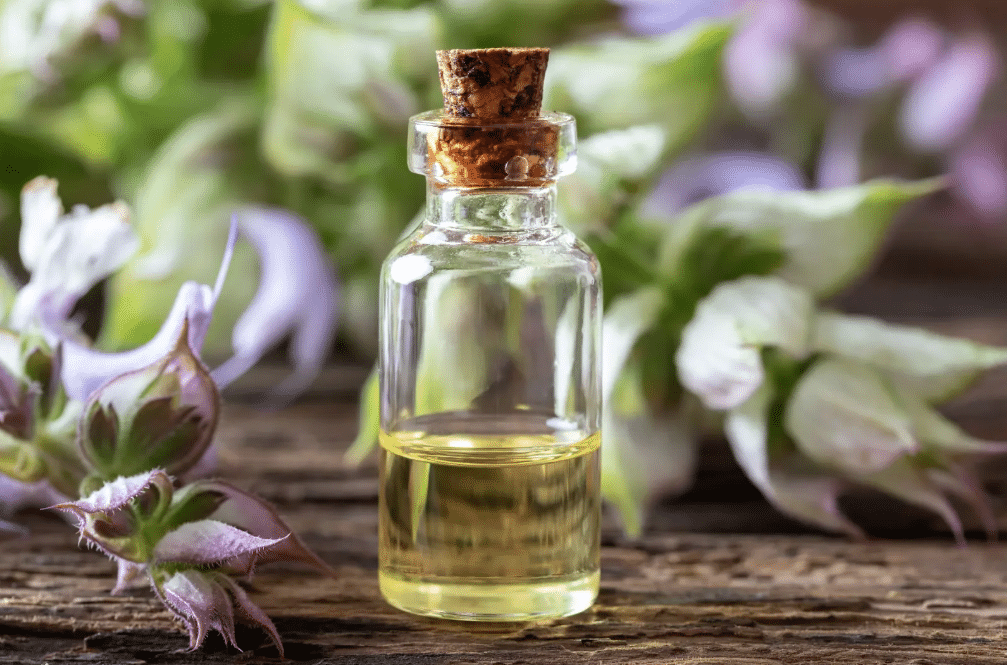
Clary Sage (Salvia sclarea)
Historically, Clary Sage has long been recognized for its supportive role in fertility and hormonal health. It has a warm, herbaceous aroma with subtle musky and floral notes, often described as relaxing to both body and mind. The plant’s aromatic compounds exhibit both relaxing and toning effects on uterine muscles, which is why it has been widely used traditionally to ease menstrual tension and discomfort. Some of the plant's compounds are thought to interact with estrogen receptors in the reproductive system, encouraging hormonal balance across many different life stages: puberty, the menstrual years, childbirth, and menopause.
In France, it's common for young girls to use Clary Sage essential oil during puberty to support a smooth transition into the menstrual cycle. In the menstrual years, Clary Sage is traditionally used to ease PMS symptoms like mood swings, fatigue, irritability, and low mood. It is also commonly applied topically to relieve menstrual cramps and tension thanks to its antispasmodic and analgesic properties.
Clary Sage is considered an emmenagogue, meaning it can help encourage balanced menstrual flow by stimulating circulation in the pelvic region. Its cooling energetic qualities make it particularly supportive during times when emotions or hormones feel “heated,” such as anger, frustration, hot flashes, and night sweats associated with menopause.
In traditional herbal practice, Clary Sage is often used to support fertility and childbirth. Some herbalists believe it may help create a more supportive environment for conception and may help promote relaxation and rhythmic contractions during labor. For this reason, Clary Sage is sometimes used by trained midwives in aromatherapy during the later stages of pregnancy and childbirth.
Ways to use Clary Sage: Add 3-4 drops of Clary Sage essential oil to your diffuser, refresh yourself with Clary Sage hydrosol, include it in calming tea blends as a supportive herb, dilute the essential oil in a carrier oil for abdominal massage, or craft a fragrant infused oil.
Note: There is ongoing debate around Clary Sage's estrogenic effects, with some claims that it may increase estrogen in the body. The research in this area is still developing, and more studies are needed before any conclusive claims can be made. Learn more about this topic in our video blog: The Benefits of Clary Sage.
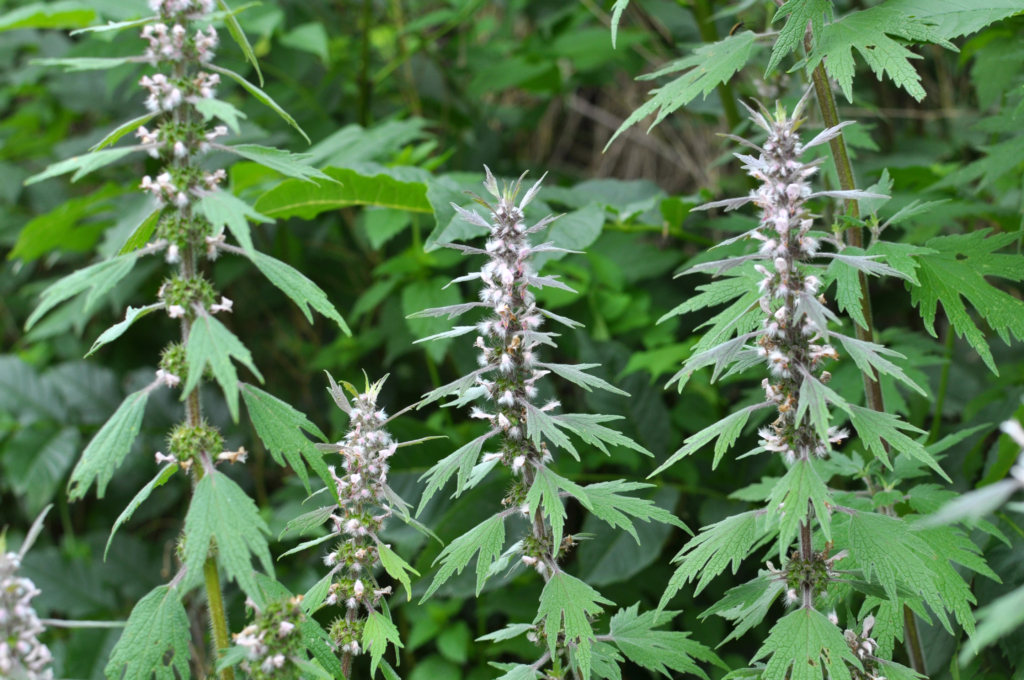
Motherwort (Leonurus cardiaca)
Motherwort is not typically considered an aromatic herb, but this Mint family plant carries a distinct scent – earthy, bitter, and pungent (slightly different compared to the sweeter aromas of many of its relatives). Its common name reflects its long-standing reputation as a supportive herb for the “mother,” traditionally referring to the uterus and the broader experience of motherhood.
For centuries, Motherwort has been traditionally used as a tonic for menstrual and perimenopausal support. Its antispasmodic properties help relax tension in the body, easing cramping and pain from the menstrual cycle. For those who experience painful periods that disrupt daily life (or those navigating the shifting rhythms of perimenopause), Motherwort can offer gentle support. It is also known as a calming nervine, helping to soothe stress, anxiety, emotional tension, and mood fluctuations that sometimes come with hormonal changes (or everyday life).
Its Latin name, Leonurus cardiaca, translates to “lion-hearted,” reflecting the plant’s traditional association with the heart. Herbalists have long used Motherwort to help calm heart palpitations, particularly those related to anxiety or hormonal shifts during menopause. As a member of the Mint family, Motherwort also carries cooling energetic qualities, helping to calm heated emotions while offering support during hot flashes and restlessness.
Some herbalists incorporate Motherwort into postpartum herbal formulas or calming nervine blends to support balance during times of transition. In the weeks and months after birth, it can help new mothers reconnect with themselves, steady their hearts, and step into the changes that come with caring for new life.
Ways to use Motherwort: This herb is most commonly used as a tincture, as its bitter compounds extract well in alcohol and are easy to take in small doses. It can also be prepared as a tea or infusion, often blended with other supportive herbs like Lemon Balm or Rose to soften its bitterness.
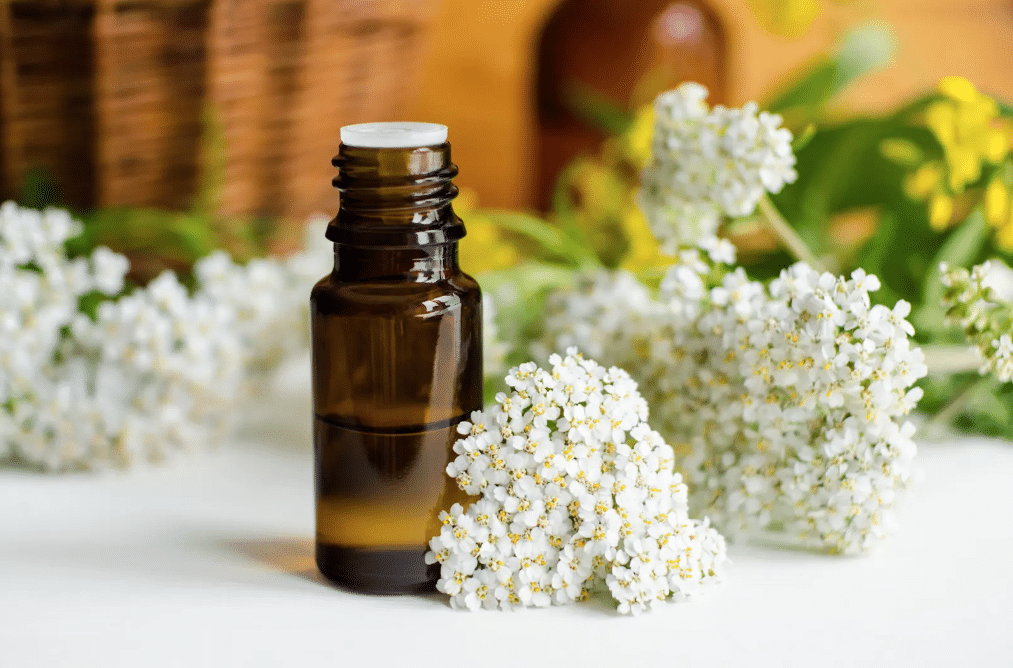
Yarrow (Achillea millefolium)
Yarrow has long been regarded as an emmenagogue, meaning it helps encourage balanced menstrual flow and ease uterine discomfort. One of the plant’s most fascinating qualities is its amphoteric nature – its ability to move in two directions depending on what the body needs. Yarrow can gently tone and tighten tissues to help slow excessive bleeding, while also stimulating circulation and moving stagnant blood.
This dual action makes it particularly helpful for painful, heavy periods and patterns of pelvic congestion, where blood flow feels “stuck” in the lower body. Herbal traditions around the world have used Yarrow to support uterine concerns such as irregular menstruation, cramping, inflammation of the reproductive organs, and menopausal transitions. Yarrow is often indicated in uterine fibroids and endometriosis patterns that are considered to be a form of stagnant blood in Traditional Chinese Medicine. The Austrian herbalist Maria Treben famously suggested that every woman from age 13 to 90 drink a cup of Yarrow tea from time to time as a gentle way to support overall health throughout life.
Energetically, Yarrow is associated with resilience and the capacity to stay centered when life is pressing in from all sides. One of the plant's oldest common names is "Staunchweed," earned through its ability to stop bleeding and close wounds. Many herbalists extend this quality to the emotional body as well. Just as Yarrow helps seal what is open and vulnerable on the physical level, it is thought to strengthen our energetic boundaries, helping us stay grounded when navigating difficult emotional terrain.
This feels especially relevant for women, who often find themselves in caregiving roles. Yarrow reminds us that caring for others does not have to come at the cost of losing ourselves; it helps us stay rooted in our own center while still offering support to those around us. Learn more about the benefits of Yarrow in our video blog here.
Ways to use Yarrow: Add 3-4 drops of Yarrow essential oil to your diffuser or spritz Yarrow hydrosol around you when you need to cultivate healthy boundaries. For topical use, try diluting the essential oil into a carrier oil for an anti-inflammatory body oil, or crafting a Yarrow-infused oil to use as a base for massage oils, salves, or botanical perfumes. Yarrow also works great as a supporting herb in herbal tea blends to balance the bitter flavor, or added to herbal steams or baths.
Unlock Your Free Rosemary Issue Of...
🌿 The Aromatic Medicine Garden Membership 🌿
Are you ready for a deeper, holistic dive into the world of aromatic plants? See what our membership is all about with your free sneak peek Rosemary issue, including an hour-long plant talk and a 21-page plant profile pdf full of recipes and insights.

Rosemary (Salvia rosmarinus)
Rosemary may not be the first herb that comes to mind when you think about women's health, but hear me out. This is a plant that works on multiple levels: clarifying the mind, supporting the skin, strengthening hair, and nourishing the spirit.
For the skin, Rosemary is a beautiful addition to a natural facial care routine. Rosmarinic acid, one of its key compounds, is rich in antioxidants that help defend against oxidative stress and brighten the complexion. Rosemary also stimulates circulation, flushing out stagnation and promoting a fresher, radiant appearance, while its anti-inflammatory properties help calm redness, puffiness, and irritation.
Rosemary has gained some well-deserved attention in hair and scalp care, too. Applied to the scalp, it invigorates hair follicles, encourages growth, soothes irritation, and can help clear up dandruff. Some small studies suggest Rosemary oil may be just as effective at addressing hair loss as minoxidil (Rogaine).
Just as Rosemary is clarifying and stimulating to the skin, the aroma of the plant also cleanses and invigorates the soul. Rosemary helps break up stagnation, both physically and energetically. It is known to help clear stagnant or “stuck” energy and stimulate motivation, inspiration, and insight.
Rosemary has an affinity for those who feel stuck in a rut or like their boots are stuck in the mud – but they feel they have nowhere to go anyway, and wonder why they should bother getting them out. For low self-confidence, persistent negative self-talk, or decision paralysis, Rosemary has a way of stoking the inner fire and direction back to life. It reconnects us to our own light, to who we actually are beneath the weight of everything we've accumulated. Think of it like opening a window in a room that hasn't had fresh air in a while: clearing, enlivening, and surprisingly effective.
Ways to use Rosemary: Add it to culinary dishes, herbal teas, tinctures, infused vinegars (for dressings or sauces), cordials, glycerites, and more. Add 2-3 drops of essential oil to your diffuser or spritz the Rosemary hydrosol as a rejuvenating facial toner. For topical use, dilute the essential oil in a carrier oil to make nourishing face oils, hair oils, or chest rubs.
Note: Essential oil safety experts recommend using a 2% or below dilution ratio. Avoid use during pregnancy, breastfeeding, and with children under 2 years of age.

Lemon Balm (Melissa officinalis)
There truly is nothing quite like Lemon Balm. Its bright, citrusy aroma has an almost immediate effect on the mood: lifting the spirits, reviving energy, and gently melting away emotional tension. Long loved by herbalists as a plant that “gladdens the heart,” Lemon Balm can help ease feelings of sadness, worry, and fear, replacing heaviness with a sense of calm and lightness. It is classified as a nervine, a group of herbs known for their ability to soothe and nourish the nervous system. While calming, Lemon Balm is not sedating, making it an ideal herb for daytime stress and anxiety. It helps take the edge off tension while allowing you to remain clear-headed and present.
For women’s health, Lemon Balm is especially valued for its ability to ease the emotional ups-and-downs that can come with the menstrual cycle (or just daily life). Its gentle nervine qualities can help soothe mood swings, irritability, and restlessness. At the same time, its antispasmodic properties help relax smooth muscle tissue, easing cramps. Some research suggests that Lemon Balm may be particularly helpful in reducing symptoms of dysmenorrhea, or painful menstruation.
Like many Mint family plants, Lemon Balm also carries a cooling nature that can be supportive during menopause. Herbalists often turn to it to help calm fiery emotions, ease tension, and soothe hot flashes. Some recent studies have even shown that Lemon Balm may help improve sleep quality and overall well-being in menopausal women experiencing sleep disturbances.
Ways to use Lemon Balm: Fresh Lemon Balm leaves make a wonderfully uplifting sun tea, releasing their bright aroma as they steep. The fresh leaves also make a lovely addition to glycerites and oxymels! Or you can try mixing the dried powder into honey to make a delicious electuary. Due to its low yield, Lemon Balm essential oil can be expensive, so we often turn to Lemon Balm hydrosol whenever we need a pick-me-up.

DIY Belly Oil Recipe for Women’s Wellness
One of the simplest ways to experience the benefits of aromatic herbs is through topical preparations. Massaging the lower abdomen with a warm herbal oil can help relax tension, improve circulation, and deliver soothing aromatic compounds directly to the body. This belly oil is perfect for easing cramps (from uterine or digestive tension), supporting postpartum recovery, relieving menopause discomfort, or simply creating a grounding self-care ritual.
You can use your favorite carrier oil in this recipe (mine is jojoba). For an extra touch, try an herbal-infused oil as a base, using Rose, Yarrow, Calendula, or any herbs that resonate with you. And feel free to substitute the ingredients with different essential oils that you love! (Learn how to make infused oils in our mini-course: Art of Aromatic Preparations.)
Note: This recipe uses a 2% dilution ratio. Always dilute an essential oil before topical use. Essential oils are only to be used topically, never internally. Learn more in our Essential Oil Dilution Guide. Avoid using this oil during pregnancy.
Ingredients
1 oz carrier oil
6 drops Clary Sage essential oil
4 drops Rose essential oil
2 drops Rosemary (Salvia rosmarinus ct. verbenone) essential oil
Directions
- Pour the carrier oil into a 1 oz glass dropper bottle.
- Add the essential oils carefully.
- Cap the bottle, then gently roll or shake it to combine.
- Massage a small amount of oil over the lower abdomen as needed. Take a few deep breaths, intentionally inviting relaxation in with every inhale and exhale.
Do you find yourself dreaming about making your own herbal remedies and aromatic preparations, but unsure where to begin?
Now’s the time to bring those dreams to life.
Our Art of Aromatic Preparations Mini-Course is open! This hands-on mini-course features 6 in-depth video tutorials on the core aromatic medicine preparations: tinctures, glycerites, infused oils, salves, cordials, electuaries, oxymels, and more. Led by our beloved instructor Erika Galentin, clinical herbalist and aromatherapist, you'll be guided step-by-step through each preparation, with expert insights, tips, and techniques woven throughout.
Article Written By Melissa Szaro

© 2026 The Northwest School of Aromatic Medicine. All rights reserved.
*The statements above have not been evaluated by the FDA, and are for educational purposes only. This article is not intended to diagnose, treat, cure, or prevent any disease. This article should not be taken as medical advice. Please consult your physician before you use this information for health purposes.
