
Have you ever had a plant you've worked with for years suddenly surprise you? Maybe it's an herb you've grown in your garden season after season, an essential oil you've reached for hundreds of times, or a resin you know by sight and smell the moment you pick it up. You think you know this plant—its aroma, its properties, its personality, and all the ways you like to work with it. Then one day, you experience it in a completely different way, and suddenly it feels new again.
This is one of the things I love most about working with plants. No matter how long you've known them, they never seem to reveal themselves all at once. Different preparations uncover different qualities, different species and growing regions speak in their own aromatic dialects, and sometimes simply changing the way we experience a plant reveals something that was there all along, waiting for us to uncover.
There are always unopened doors in a plant. And one of my favorite ways to open them is through the ancient aromatic art of natural incense.
A New Way to Experience Familiar Plants
Most of us naturally develop our favorite ways of working with plants. If you're an herbalist, maybe your shelves are filled with herbs for teas, tinctures, infused oils, salves, syrups, and other preparations. If you come from the aromatherapy world, you probably have a collection of essential oils you know intimately. You recognize the sweetness of Lavender, the dark earthiness of Vetiver, the richness of Sandalwood, or the unmistakable aroma of Frankincense the moment you open the bottle.
These are all beautiful ways of knowing plants, but each preparation gives us a different window into them. An essential oil captures one expression. A tea or tincture reveals another. And when we begin experiencing whole aromatic plants through heat and smoke, another window opens, sometimes onto a view we didn't know was there.
This is part of what has made natural incense so fascinating to me for nearly 20 years. I can work with a plant I've known for years and still find something new hiding within it. A familiar resin changes over heat. A wood reveals an aroma I hadn't noticed before. Two materials I've smelled separately come together and create something neither possessed on its own.
When Heat Reveals Something New
Think about Frankincense for a moment. If you come from the aromatherapy world, perhaps you know it best as an essential oil. You recognize the aroma immediately and may have worked with it for years.
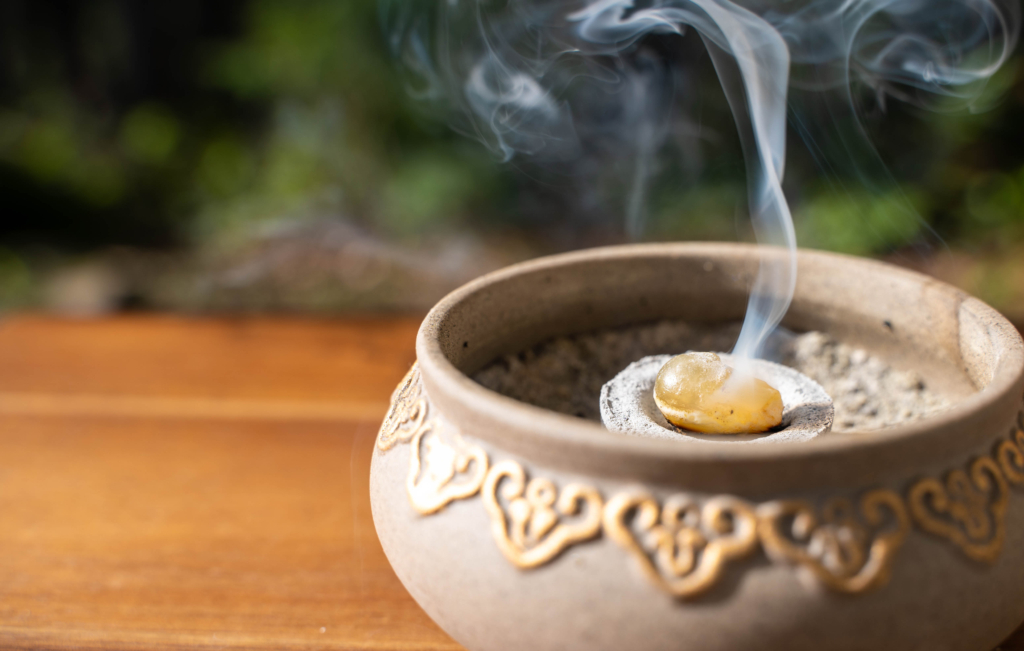
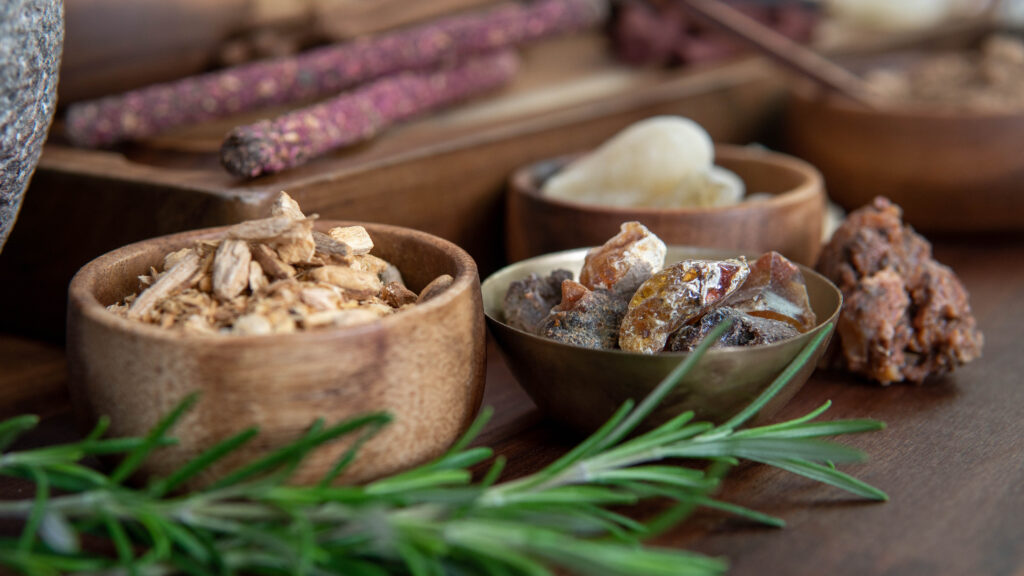
But pick up a whole tear of Frankincense resin and the experience begins to change. Before you even burn it, there's something different about holding the material itself: its color, texture, weight, and raw aroma. This small golden tear was once fluid inside a living tree, slowly emerging through its bark and hardening in the open air.
Now place it over gentle heat... The resin softens. Its surface begins to glisten. What was solid slowly gives way, releasing an aroma that bubbles out of the melting resin that seems to have been folded up inside it all along. Give it more heat and it changes again. It's still Frankincense. But it's no longer quite the Frankincense you thought you knew.
The same thing happens with aromatic woods, roots, leaves, flowers, spices, and other resins. Sandalwood warmed over gentle heat offers a different aromatic experience from Sandalwood essential oil. Juniper burned as incense reveals another side of a plant you may know from the bottle or the forest. A familiar spice from your kitchen can suddenly seem almost exotic when heat draws forward aromatic notes you've passed over a hundred times before.
Heat has a way of asking plants to speak to us differently. Sometimes the answer is subtle. Sometimes it's astonishing. Sweetness appears where you didn't expect it, woods deepen and warm, resins unfold in stages, with one aroma rising first and another following behind it.
And once you begin noticing these things, something else changes too... You start paying closer attention.
Learning to Listen With Your Nose
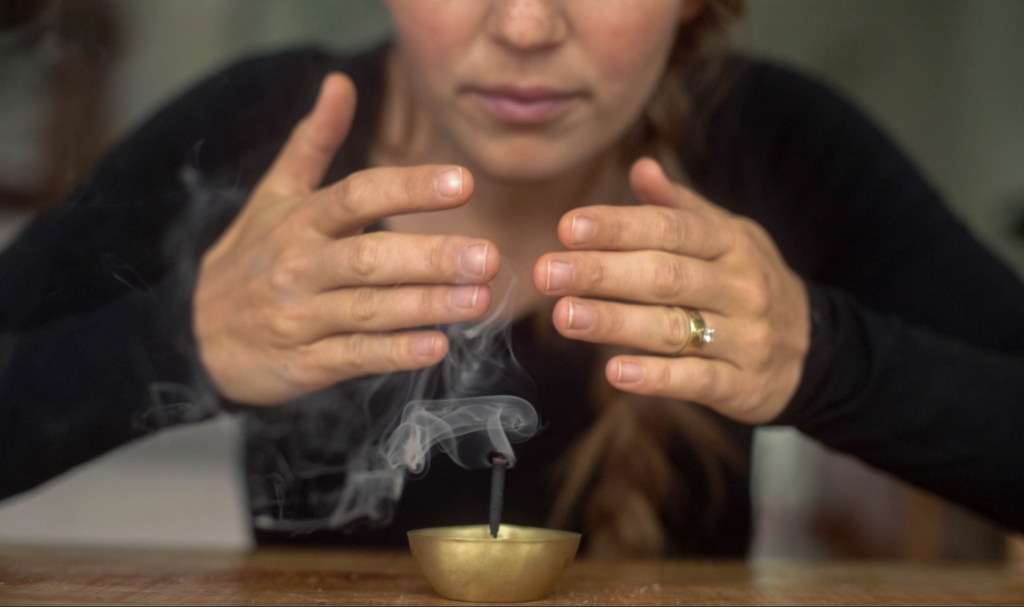
At first, Frankincense might simply smell like Frankincense. But spend enough time with it and that single word begins to feel far too small. Different species have their own aromatic personalities. Different regions, harvests, and qualities carry their own nuances. Even the same material can change dramatically depending on how you experience it. The nose becomes less of a detector and more of a listener.
You begin wondering where a material grew, what species it came from, how it was harvested, and what part of the plant you're actually smelling. You notice what gentle heat reveals compared with direct burning. You begin recognizing the bright opening notes of an aromatic and the deeper ones that linger after them.
Instead of simply asking, What is this plant used for? another question begins to emerge: Who is this plant, and how many different ways can I experience it?
For herbalists and aromatherapists, this can be an especially exciting shift because you're not beginning from nothing. You've already spent years building relationships with plants. You already have a language for aroma, an understanding of how plants can change through different preparations, and probably a shelf filled with aromatic materials you've carefully gathered along the way. Incense simply gives you another way to meet them.
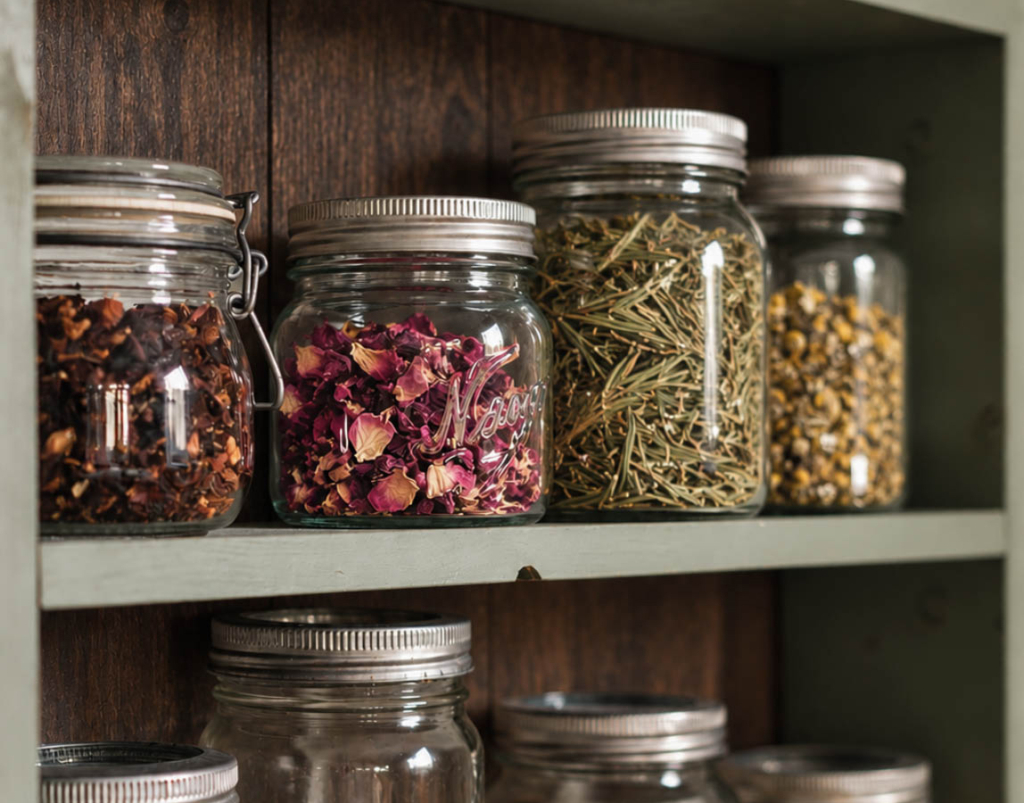
Your Personal Apothecary Might Already Be an Incense Collection
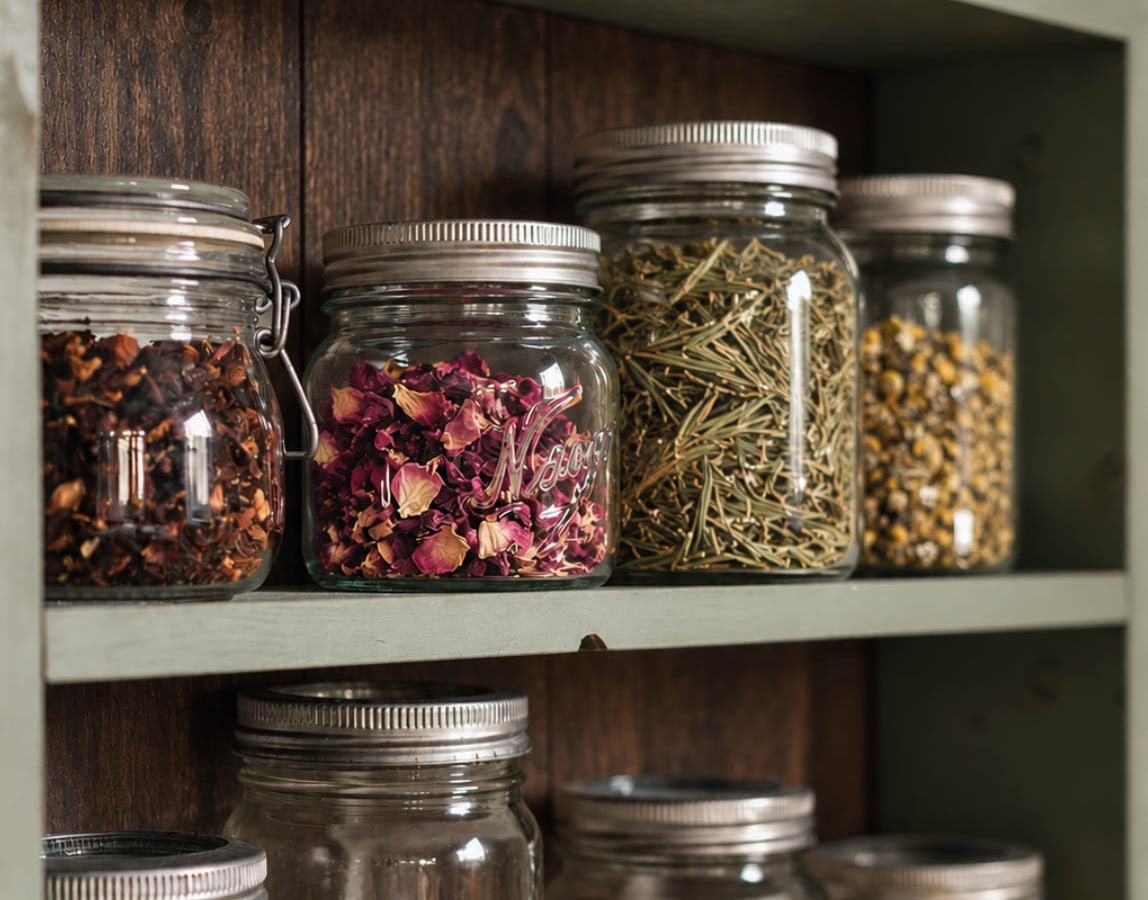
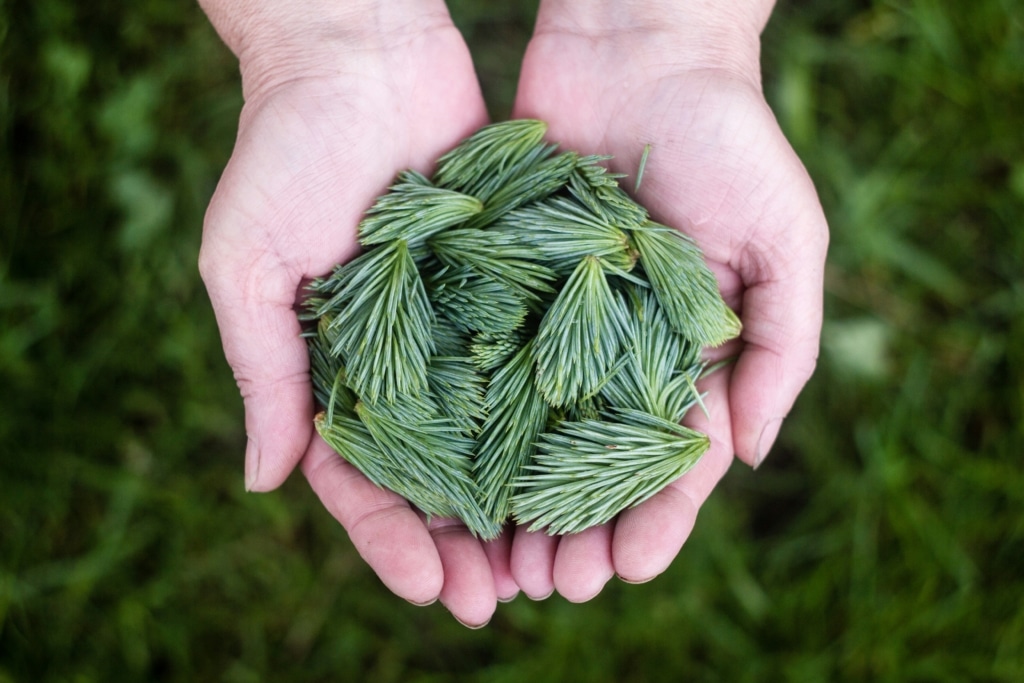
Take another look at what's sitting on your shelves: plants like Rosemary, Lavender, Rose, Juniper, Cedar, Cinnamon, Cardamom, Clove, Pine resin, Myrrh.
You've probably thought of these as herbs, spices, resins, woods, or essential oils. But look at them through the eyes of an incense maker and the shelf begins to change. A row of jars becomes a palette.
A piece of wood becomes warmth and foundation. A resin brings depth and complexity. A familiar spice becomes a flash of brightness or heat. A flower you've worked with for years suddenly becomes an aromatic possibility you've never explored. The plants don't changed, but your way of seeing them does.
And soon the questions change too. What happens if I warm this? What would this resin smell like alongside that wood? Could these plants capture the feeling of a place I love? Could I create something that smells like the forest after rain, the first cold morning of autumn? Which local plants and resins could I create a natural incense blend with? What plants would I use if I were to make an incense for strengthening immunity? Or for healing grief? For strengthening the mind and memory? For aligning with a planet or element? What could I create with all of this?
This is where incense becomes much more than something we burn because it smells good. It becomes an aromatic art!
When Plants Become Your Palette
One of the most beautiful things about the aromatic arts is that inspiration often begins with a concept or intention, a place, a plant, or sometimes just a feeling that's difficult to put into words.
Maybe you're creating incense around a therapeutic intention like for de-stressing, mental clarity, or grounding. Perhaps it's for meditation, prayer, ceremony, or ritual. Inspiration might come from the seasons, the elements, the moon and planets, a dream, a memory, or a place you love. Sometimes one aromatic plant simply captures your attention and you follow it to see where it leads. This is where incense becomes a way of giving aroma to an idea.
A ritual can have its own aromatic signature. A season can become something you smell. A memory doesn't have to remain only a picture in your mind, and a place doesn't have to live only on a map. The things we experience, imagine, need, remember, and believe can all become inspiration for something we create.
In our last article, we explored 7 different places you can look for inspiration when imagining an incense blend, from landscapes and memories to intentions, seasons, the elements, celestial cycles, and individual aromatic plants.
And whether you're just beginning or you've made natural incense for years, this world has a way of continuing to unfold. There are always more plants to meet, aromas to understand, traditions to explore, and possibilities for creating something entirely your own. The deeper you go, the bigger the world becomes.

What Else Is Waiting Inside the Plants You Know?
There are probably sides of the plants sitting on your shelves right now that you've never experienced. Aromas you've never smelled, combinations you've never imagined, and stories those plants haven't had the chance to tell you yet.
So sometime this week, choose one. If you have the essential oil and the whole plant material, smell them side by side. Notice what they share and where they wander in completely different directions. If you have a fragrant wood or resin, experience it over gentle heat and see what happens as the aroma begins to unfold.
Don't worry about making anything yet. Just smell, pay attention, get curious, and ask yourself: What else is there to discover about this plant?
Because sometimes falling in love with plants all over again doesn't require us to find a new plant. Sometimes an old friend simply needs the chance to share itself with you in a new way.
Ready to Explore the World of Natural Incense?
If this has sparked your curiosity, there's much more coming your way.
On October 12th, we're beginning our free Hand-Crafted Incense Series, a 3-part journey into the world of natural incense. We'll explore what makes truly natural incense different, introduce you to the plants and materials that bring it to life, and eventually show you how these aromatic treasures can be transformed into incense of your own.
Until then, keep smelling your plants and follow your curiocity. There may be an entire aromatic world hiding inside something you thought you already knew.

Article by Evan Sylliaasen
Founder
The Northwest School of Aromatic Medicine
