
On the morning of the Winter Solstice, something subtle – but powerful – happens. The world seems to slow down. The sun lingers at its lowest point on the horizon, appearing to hover in place before slowly beginning its upward journey once again. In that quiet pause, it feels as though the whole earth releases a long, overdue exhale. It’s from this celestial pause that we draw the word solstice, from the Latin solstitium, meaning “the sun stands still.”
Here in the Pacific Northwest, we’ve been steeped in weeks of long shadows and early nights (truly, who among us remembers what 4 pm looks like under sunlight?!). But now, at last, the great turning begins. The Winter Solstice marks the precise hinge-point of the year: the longest night, the deepest darkness, and the moment when the tide finally shifts toward the light’s return. From this day on, the sun climbs a little higher, the daylight stretches a little further, and brightness returns drop by drop.
The sun is coming back soon, friends.
For thousands of years, our ancestors actively participated in ancient rituals for calling the light home this time of year. They lit fragrant fires that sent aromatic smoke spiraling skyward. They burned tree resins until their homes smelled like sacred temples. They brought evergreen boughs indoors, not just for decoration, but as living proof that life persists even through the coldest, darkest days. The scented smoke rising from their offerings carried prayers for protection, renewal, and the awakening of inner light.
In this season marked by introspection, resilience, and the slow-motion return of vitality, aromatic herbs can feel like bright companions walking beside you. They support your mood, help soften stress in the nervous system, and energetically coax you from the inward, watery depths of winter back toward warmth, purpose, and light.
When an aromatic plant fills your space (or your lungs), it can immediately shift your internal landscape. These plant teachers work directly with our nervous systems, gently shifting our emotional realms from heaviness toward hope, from stagnation toward vitality, from "I can't do this anymore" toward "okay, I've got this."
Just as the sun pauses at its lowest point in the sky, we too can pause, using this moment of stillness to reflect, release, and renew. In this article, we’ll explore the ancient folklore and old stories that connect aromatics with the Winter Solstice, which aromatic allies are traditionally used to call the light back in, and some beautiful aromatic solstice rituals for reflection and renewal.
Why Your Nose Knows (And Your Brain Listens)
When you inhale the scent of an aromatic plant, those molecules travel directly through your olfactory pathways straight into your limbic system, the emotional command center of your brain. They bypass your thinking brain entirely and go right to the source of your feelings. This is why scent memories can be so powerful – why walking past someone wearing your grandmother's perfume can make you tear up instantly, or why the smell of Pine or Cinnamon can transport you back to childhood winters in a heartbeat.
But here's the magic: we can harness this connection intentionally. When we work with aromatic plants, we're not just enjoying a pleasant smell or enhancing a ritual – we're also directly influencing our stress response and our emotional state. The volatile compounds in essential oils and plant smoke interact with receptors that trigger the release of neurotransmitters, helping to calm anxiety, uplift mood, and restore a sense that yes, things can actually get better.
In the context of winter's darkness, this becomes a bridge between our inner world and the promise of light's return. (To dive deeper into this science and learn how aromatics impact depression and anxiety, check out our article: Aromatics & Incense for Mental Health Support.)

Ancient Folklore & Winter Solstice Traditions
Across continents and throughout time, from Scandinavia to the Mediterranean, from ancient Rome to Indigenous nations of North America, people marked the Winter Solstice with fragrant fires. Burning woods, resins, and herbs was a way of signaling to the universe (and maybe to ourselves), “We’re ready for the sun’s return.” These practices grew from thousands of years of observing nature’s rhythms and understanding exactly what humans need to stay resilient through the long dark days: warmth, scent, community, and a spark of hope.
As our ancestors watched the world grow quiet – trees shedding their leaves, soil hardening under frost, snow softening the land – the evergreens stood strong and unwavering. These conifers were seen as guardians of winter, living proof that vitality persists. Bringing them indoors was symbolic, a reminder that life endures, strength remains, and the heart of nature is still beating beneath the cold.
The fragrant smoke of Juniper, Pine, or Frankincense carried a deeper meaning, too. As it spiraled upward, it was believed to cleanse the threshold between seasons, clearing away the old year's accumulated energy (all those disappointments, frustrations, and stuck patterns) and making space for new growth. Light-bearing herbs with bright, warm, or clarifying aromatics became symbols of illumination itself, embodying the qualities of the sun (when the actual sun seemed to have abandoned us). Our ancestors understood something profound: when darkness feels overwhelming, you bring in fragrance, fire, and faith.
The following aromatic plants are particularly supportive for calling in the light and aligning with the renewal energy of the Winter Solstice. We’ve shared example practices for each one, but these are simply inspiration. Use what resonates and feel free to shape your own meaningful rituals!
Winter Solstice Aromatic Herbs for Hope & Renewal
Evergreens (Pine, Fir, Spruce, Cedar, Juniper, etc.)
Energetic qualities: Resilience, protection, unshakeable life-force
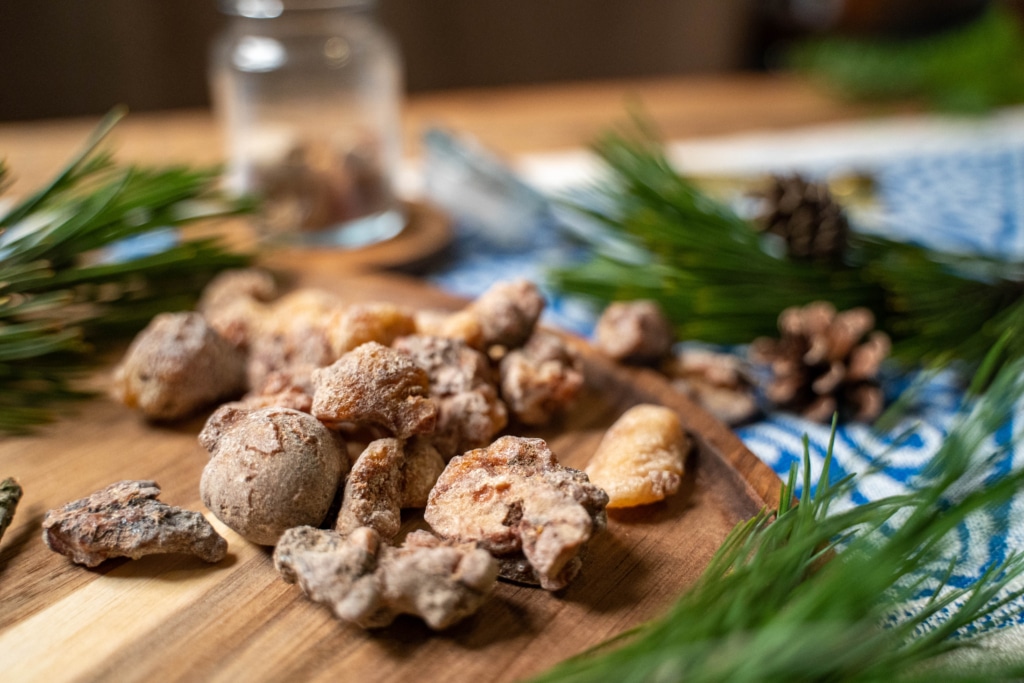
If plants had mottos, evergreens would proudly declare: “Winter? That’s when I shine.” While deciduous trees surrender their leaves and slip into rest, evergreens remain vibrantly, defiantly green. To ancient peoples, this was nothing short of magic – a living reminder that life persists, even in the harshest darkness. Their sharp, forest-rich aroma brings that same magic into our bodies. Working with evergreens feels like throwing open every window in a stale room: stagnation clears, the spirit lifts, and the breath deepens.
Each evergreen offers its own bright spark of energy. Pine, for example, carries a crisp, invigorating scent that sweeps away heaviness and offers clarity of thought when your brain feels like it's wading through molasses. Its uplifting nature helps dissolve pessimism, restoring clarity, balance, and a resilient sense of inner steadiness.
How to work with Evergreens: Burn Pine resin or evergreen needles on charcoal, bundle freshly dried needles for aromatic smoke cleansing, craft winter solstice wreaths, or add needles to simmer pots on the stove. My personal favorite: Infuse evergreen needles into honey and drizzle it into tea or on toast (make sure you’ve properly identified the tree and confirmed it is safe for consumption!)
Lemon Balm (Melissa officinalis)
Energetic qualities: Uplifting, soothing, heart-lightening
Lemon Balm is known as "liquid sunshine," and I'm here to tell you: this herb is the embodiment of joy and peace. Its sunny, citrus-like aroma actively brightens your mood, revives your heart, and melts away emotional tension like butter on warm bread.
Lemon Balm can help ease seasonal heaviness, anxious thoughts, and emotional fatigue. It's particularly gifted at lifting sadness, worry, and that low-grade sense of foreboding that can settle in during darker months. It sweeps these heavy emotions away and replaces them with something softer, lighter, more possible. Think of it as the plant equivalent of the world's best hug from someone who actually understands what you're going through.
How to work with Lemon Balm: Unfortunately, Lemon Balm has a catch – the plants lose their leaves in winter, and those bright, sunny aromatics mostly evaporate when you dry the leaves. The essential oil is precious (but pricey). My favorite workaround? Lemon Balm hydrosol. Keep a bottle nearby and mist it generously whenever you need a burst of sunshine. It’s your personal antidote to seasonal sadness.
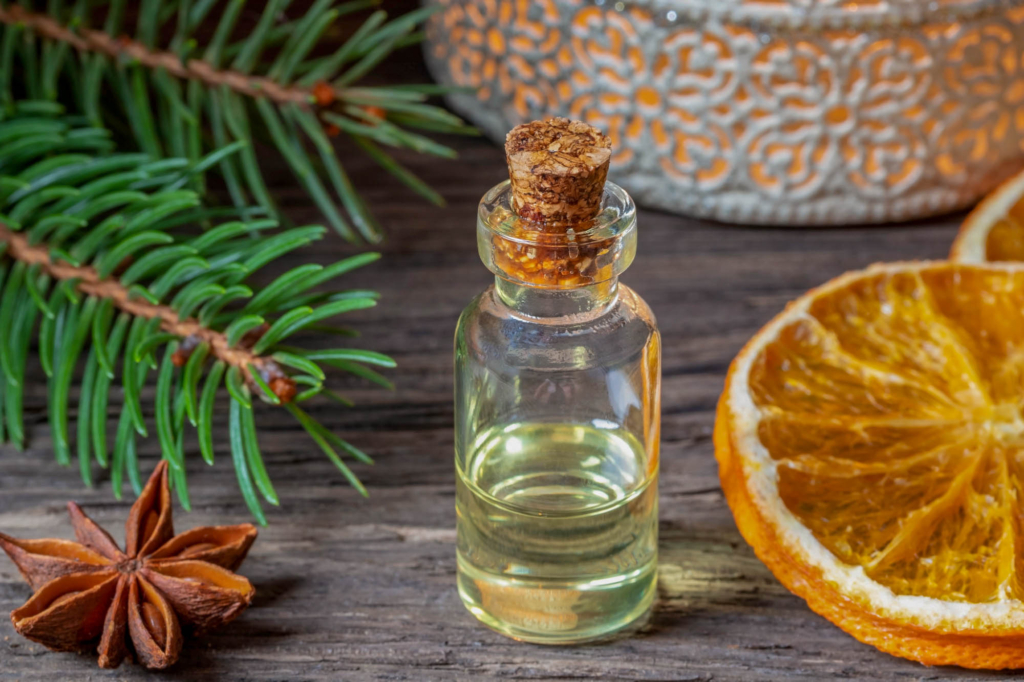
Citrus (Orange, Bergamot, Grapefruit, Lemon)
Energetic qualities: Brightening, invigorating, stagnation-dissolving
Citrus fruits have long been tiny suns in the hands of winter celebrants. Oranges, in particular, were cherished symbols during Winter Solstice and Yule, representing the returning sun, warmth, prosperity, and the promise of lengthening days. Across solstice traditions, they appeared in Clove-covered pomanders, dried garlands, festive altars, and eventually in Christmas stockings. At a time when fresh fruit was rare, gifting an Orange was like handing someone a piece of the sun itself.
Citrus essential oils carry that same radiance. They act like emotional espresso shots, lifting the mood with astonishing speed, dissolving stagnant energy, and bringing mental clarity when everything feels heavy or clouded. Their bright, sweet aromatics cut through winter gloom the way sunlight slices through storm clouds. They invigorate the senses, spark creativity, and restore a sense of optimism: not just that things can get better, but that they will.
How to work with Citrus: Diffuse Citrus essential oils to brighten your home. Add dried Orange peel to incense blends. Craft anointing oils for ritual use. String dehydrated Citrus slices into garlands. Make traditional solstice pomanders by studding Oranges with Cloves (a fun winter craft for kids and adults alike!).
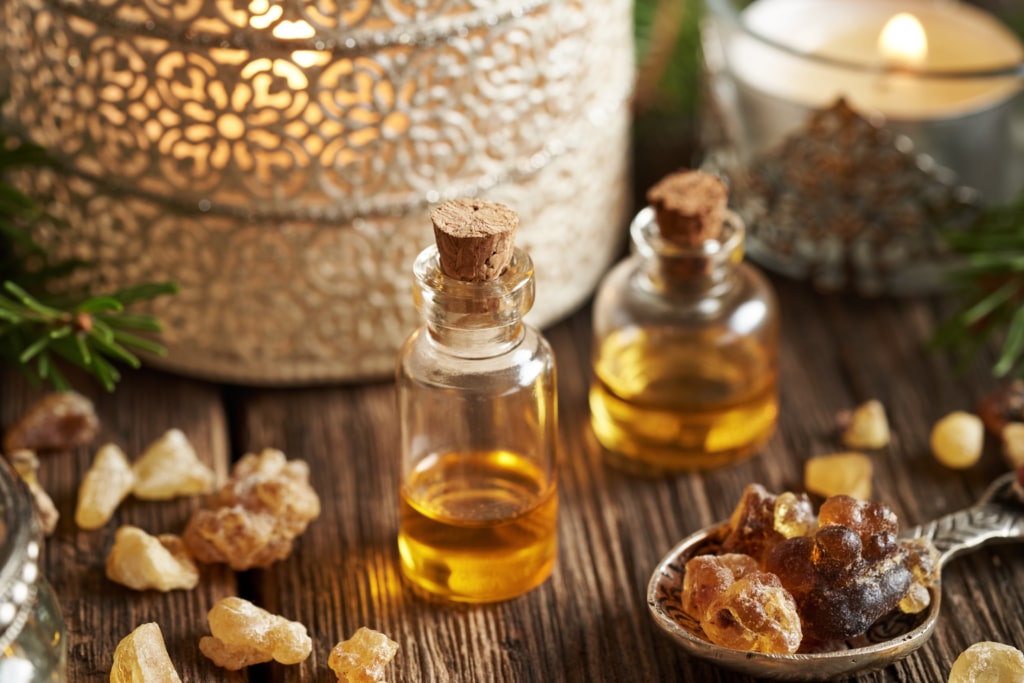
Frankincense (Boswellia spp.)
Energetic qualities: Grounding, illuminating, spiritual renewal
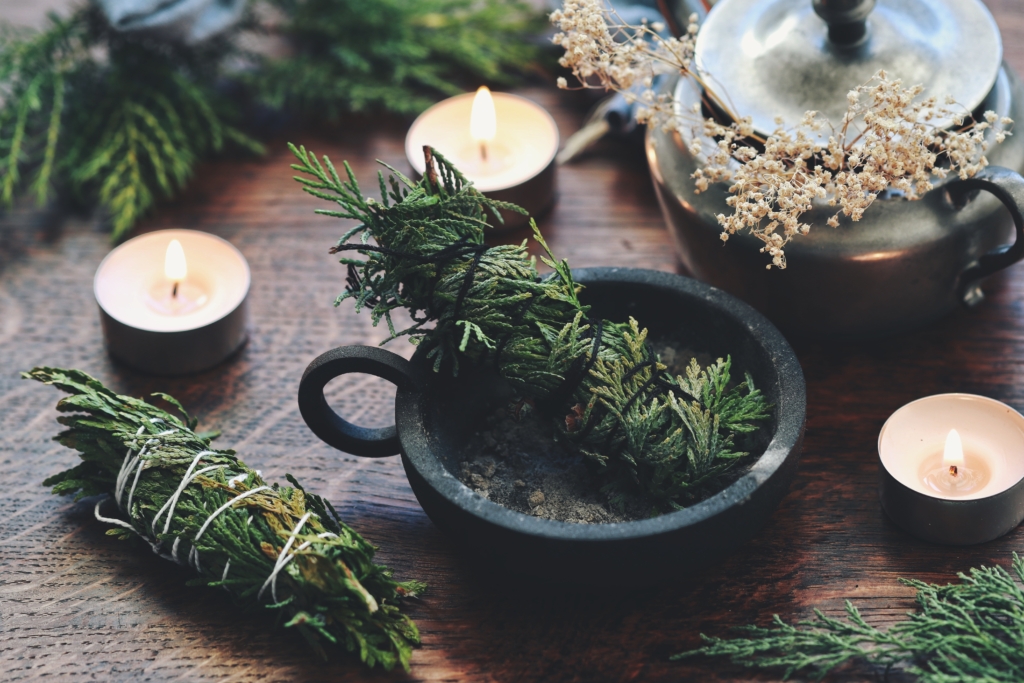
For thousands of years, Frankincense has been burned at the Winter Solstice to honor the return of divine light. Its crisp, clean, slightly sweet aroma influences both the mind and body, slowing mental chatter, deepening the breath, and creating a sense of spaciousness when life feels overwhelming. Across cultures and spiritual traditions, Frankincense has served as a sacred purifier. Its resinous smoke clears heavy energy, protects the spirit, and sanctifies the space within and around you. It’s no wonder this resin has long been associated with warding off darkness and inviting clarity.
Frankincense lifts the mood, eases agitation, and helps dissolve worry, making it a powerful ally when the mind feels scattered or tense. Above all, this aromatic reminds us of renewal. Its bright, sacred scent carries the energy of a fresh start, the sense that you can release what no longer serves you and step into the new cycle with clarity and intention.
How to work with Frankincense: Burn Frankincense resin on incense charcoal (details below). Create infused oils for anointing. Incorporate into meditation practices and rituals.
Rosemary (Rosmarinus officinalis)
Energetic qualities: Clarity, memory, protection
In the Mediterranean and other traditions, Rosemary has been incorporated into solstice rites as a symbol of remembrance, protection, purification, and the return of light. In spiritual astrology, Rosemary is linked to the Sun; its warming properties and evergreen nature make it a potent symbol of the Sun's enduring light and eventual return during the winter solstice.
Rosemary is deeply connected to memory and remembrance, a practice tracing back to ancient Greek scholars and Romans. It's often used as a symbol of honor and remembrance for loved ones we've lost, and it can help comfort us during the grieving process. Rosemary has mastered the art of holding space for grief while strengthening the memories of those we've lost so they may live forever in our hearts.
Beyond its symbolic power, Rosemary’s bright, invigorating scent sweeps away discouragement, apathy, and mental fog like a broom through a dusty room. It clears the mind, uplifts the spirit, and opens space for fresh ideas, creativity, and emotional renewal. The next time you feel stuck in indecision or negative thought spirals (when your brain feels hijacked by your inner pessimist), invite Rosemary in.
How to work with Rosemary: Create aromatic steams for respiratory and emotional support. Prepare winter tonics of Rosemary vinegar. Blend ground Rosemary or cut needles into uplifting incense. Carry a sprig in your pocket for comfort.
Unlock Your Free Rosemary Issue Of...
🌿 The Aromatic Medicine Garden Membership 🌿
Are you ready for a deeper, holistic dive into the world of aromatic plants? See what our membership is all about with your free sneak peek Rosemary issue, including an hour-long plant talk and a 21-page plant profile pdf full of recipes and insights.

Bay Laurel (Laurus nobilis)
Energetic qualities: Courage, vision, symbolic rebirth
Traditionally associated with prophecy, inner strength, and triumph after darkness, Bay Laurel's bright, pungent fragrance awakens something within you. Bay Laurel is often considered a tonic for the soul, uplifting spirits and helping to alleviate feelings of self-doubt or insecurity. It promotes emotional balance and resilience, providing a comforting and grounding effect during times of stress or emotional upheaval. It's both uplifting and grounding, helping to clear mental confusion and clarify thought processes.
Psycho-spiritually, Bay Laurel enhances intuition and connects you with your inner wisdom. It's considered sacred in many traditions and carries a protective, purifying influence on the spirit. Bay Laurel is often used in meditation and ritual practices to deepen spiritual awareness, promote clarity of thought, and facilitate a sense of inner peace and harmony.
How to work with Bay Laurel: Burn leaves as incense offerings. Add it to ritual herbal baths. Create intention bundles. Weave it into wreaths and crowns for ceremonial use. Work with Bay Laurel when you need to remember your own strength and reconnect with the courage that lives within you.
Winter Solstice Aromatic Rituals for Reflection & Renewal
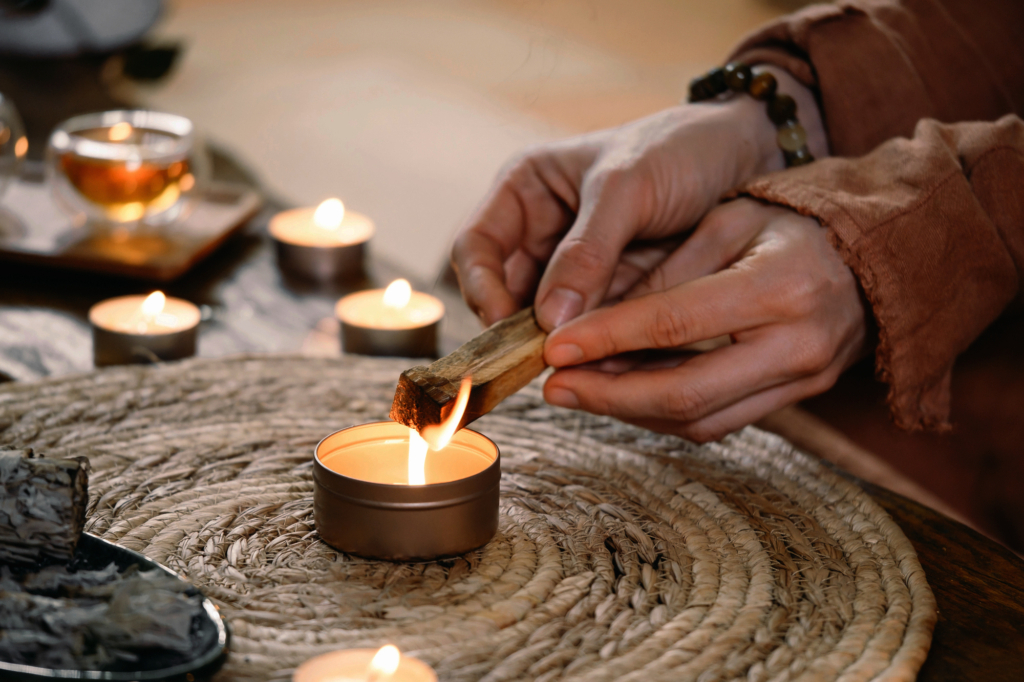
Setting the Scene
Begin by creating a simple but intentional atmosphere. This doesn’t need to look perfect – what matters is how it feels. Light a few candles, dim the lights, and, if it’s safe to do so, kindle a small fire.
Set a clear intention: What are you releasing? What are you inviting in?
Gather your tools:
- Incense charcoal
- Fireproof incense burner
- Metal tongs
- Incense blend, resin, or dried herbs
- Matches or lighter
Incense Blend for Release (Shedding the Darkness)
Ingredients (equal parts):
- Frankincense resin
- Dried Rosemary
- Bay Laurel leaf
This blend supports the process of letting go of old habits, emotional clutter, stories that no longer serve you, or the accumulated weight of the year. Imagine it as an energetic deep cleaning for the soul, clearing out what’s been lingering in the corners.
Incense Blend for Hope & Renewal (Calling Back the Light)
Ingredients (equal parts):
- Dried Citrus peel (Orange works beautifully)
- Pine resin
- Pine needles
This blend embodies hope. The uplifting scent of dried Citrus combined with the evergreen vitality of Pine awakens the spirit and gently reminds you: light is returning, possibilities are opening, and new cycles are ready to begin.
The Ritual Steps
1. Begin in darkness. Close your eyes. Notice the stillness around you. Honor the gifts of winter: rest, quiet, and the slow work happening beneath the surface. Let yourself sink into this moment without rushing.
2. Light your incense charcoal. Follow the instructions for your type of charcoal. Self-igniting charcoal should always be lit outdoors and allowed to fully off-gas its chemicals until completely grey. We recommend using natural incense charcoal or embers from a fireplace or wood stove for a much cleaner aroma and a more traditional burning experience.
For the best aromatic experience, let your charcoal burn for 10–15 minutes until a ¼–⅓ inch layer of ash forms on top. This ash acts as a buffer, softening the heat so your incense warms slowly rather than scorching (which results in an undesirable charred aroma). The result is a richer, fuller scent with far less smoke.
3. Burn your incense. Using your tongs, place a pinch of your blend onto the charcoal. As it releases its fragrance, watch the smoke rise. Use a small metal scraper (a butter or cheese knife works well) to remove spent material as needed so the scent stays clean.
As the smoke curls upward, imagine it lifting away the heaviness you’re choosing to release: old frustrations, stagnant patterns, emotional debris. Let each exhale be an offering of release.
4. Reflect on the past cycle. With the space now cleared, invite yourself to look back: What has this year taught you? What challenges shaped you? Where did you find strength? You might journal, speak out loud, or simply sit in contemplation. Give yourself permission to feel whatever arises.
5. Welcome the light. Light a candle or two. This is your turning point – your symbolic sunrise. Inhale the aromatic incense air deeply and feel it settle through your body. Set clear intentions for the coming cycle: Where do you want to grow? What qualities are you inviting in? Who are you becoming as the world brightens again?
6. Sit in gratitude. Close the ritual by offering thanks: to the plant allies whose scents have guided your transition, to the season for its lessons, and to yourself for showing up, for being present, and for choosing renewal.
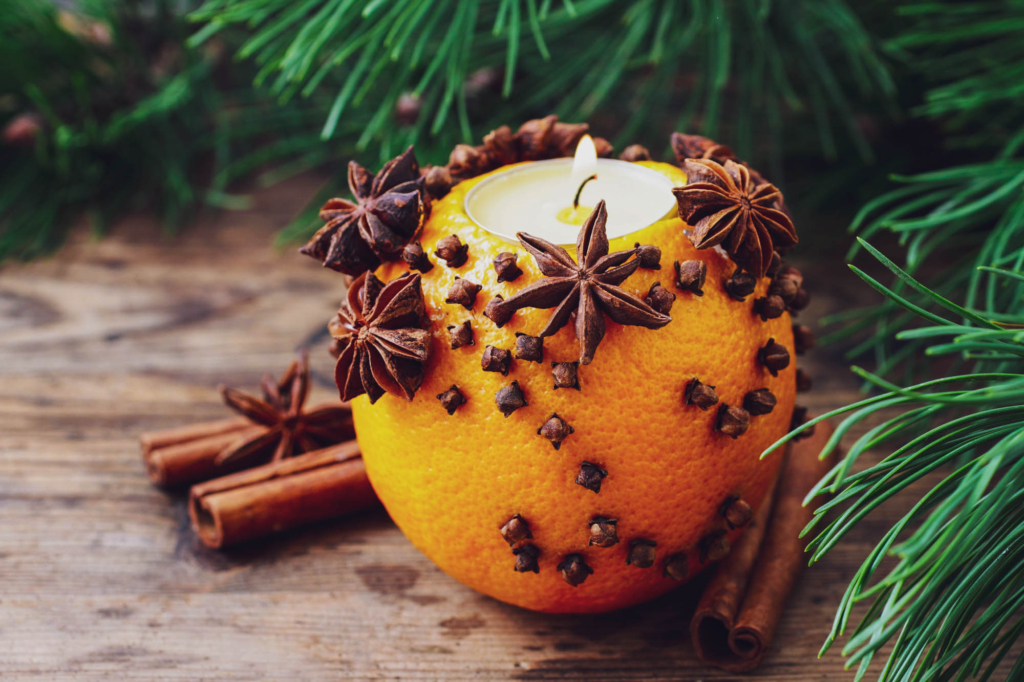
Bonus: How to Make Solstice Pomanders
Solstice pomanders evolved from medieval perfume balls (pommes d'ambre) used to ward off disease and became popular holiday decorations in the Victorian era, symbolizing warmth and the returning sun. Take fresh Oranges and stud them with whole Cloves in whatever patterns speak to you: spirals, geometric designs, random dots, your initials, the list goes on.
As you work, set intentions for the returning light with each Clove you press in. The repetitive motion becomes meditative. The Citrus brings brightness and joy; the Cloves add warmth and protection. Hang your pomanders around the home or give them as gifts. They'll dry over time and continue to release their spicy-sweet fragrance throughout the winter season.
Coming Home to Your Light
Aromatic plants are teachers and companions through the darker months, offering their essences as bridges between our inner landscapes and the natural rhythms of the earth. These plant allies remind us that even in the depths of winter, life persists. Light returns. Renewal is always possible. Spring does arrive (even when February makes you question everything).
As you continue working with these herbs throughout the winter season, notice how they support your emotional balance, mental clarity, and sense of hope. Let them guide you in creating personal solstice rituals that honor both your inner light and the outer light of the returning sun. You don't have to wait until spring to feel alive again. You can start calling your light home right now.

Ready to start your Winter Solstice rituals?
Our sister company, Higher Mind Incense, sells all-natural incense made from 100% aromatic plants, including Frankincense, Myrrh, Pine Resin, Juniper, and more. Our new Holy Days Loose Incense Blend is perfect for welcoming in the light: Pine resin, Pine needles, Copal Oro, Orange peel, and Sandalwood (only available in the limited-edition Sacred Winter Collection Set – get it while supplies last!). This box set makes a great gift for yourself or a loved one.
Our mission is to offer plant-based products that support people, plants, and the planet through sustainability, eco-conscious practices, and chemical-free products.


Article Written By Melissa Szaro

© 2025 The Northwest School of Aromatic Medicine. All rights reserved.
*The statements above have not been evaluated by the FDA, and are for educational purposes only. This article is not intended to diagnose, treat, cure, or prevent any disease. This article should not be taken as medical advice. Please consult your physician before you use this information for health purposes.
