
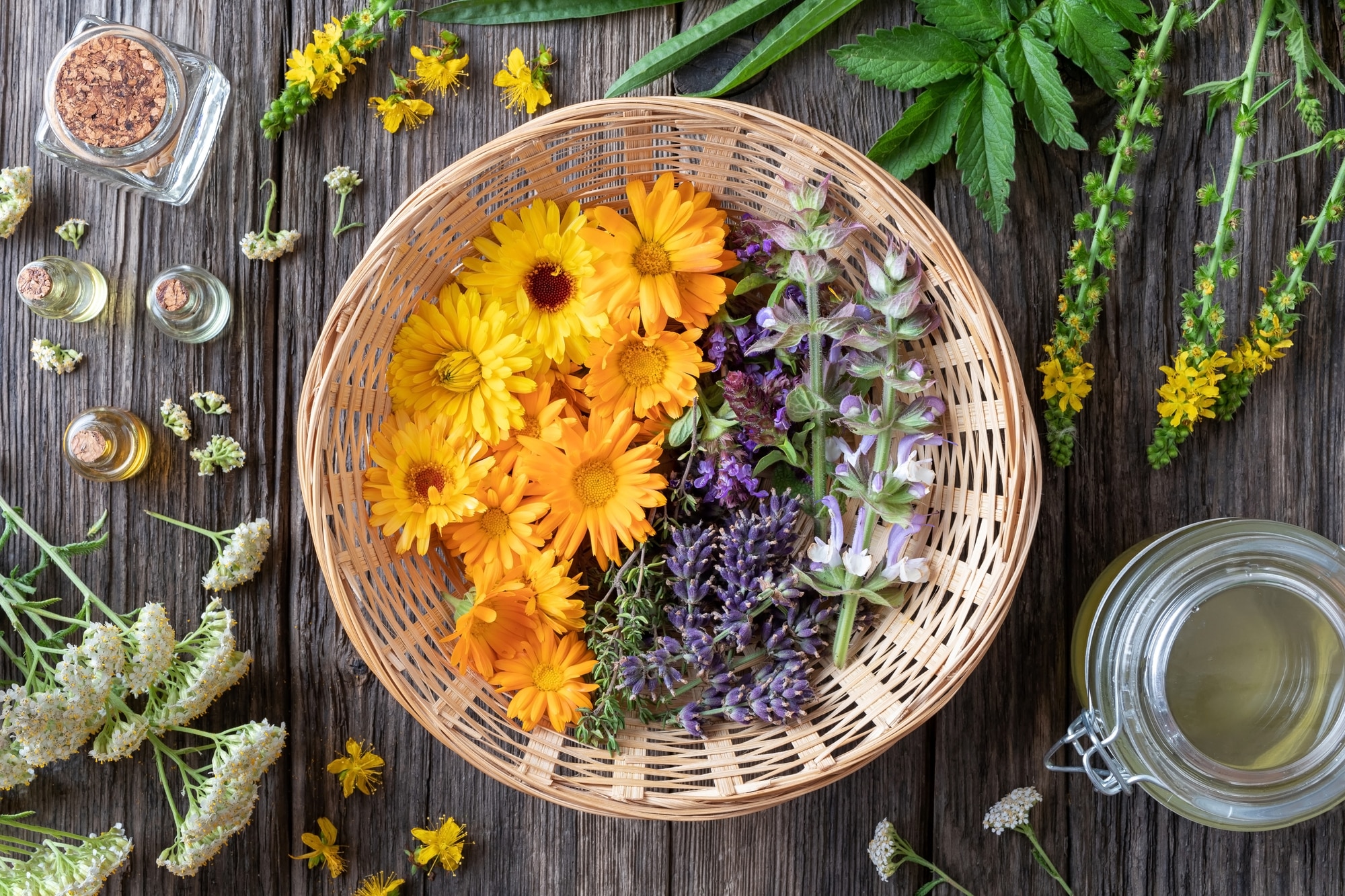
Why does one person love warming spices like Ginger and Cardamom, while another craves the cooling freshness of Peppermint or Lemon Balm? Why do some people find themselves constantly burning Frankincense, while others feel most at peace surrounded by the sweet floral aroma of Rose? Is this simply personal preference, or is there something deeper here?
Interestingly, there isn't a black-and-white answer. Sometimes our favorite herbs are simply the ones whose aromas or flavors bring us joy. But throughout history, herbalists, aromatic medicine practitioners, and traditional healing systems have also observed that our attraction to certain plants may not always be random.
For thousands of years, healers recognized that both plants and people express distinct patterns. Plants possess unique qualities that influence how they interact with the body, while each person has their own individual constitution and energy. Understanding the relationship between plants and people has long been considered one of the foundations of holistic health.
In this article, we'll explore the philosophy behind how the plants you're naturally drawn to may offer subtle clues about yourself, and why ancient healing traditions across the world have been paying attention to these patterns for a very long time.
Our Favorite Herbs & Aromatics Aren't Always Random
Have you ever noticed how some people feel completely at home in the mountains while others feel alive near the ocean? Or how one person always fills their home with bright Citrus aromas while another surrounds themselves with deep woody notes, rich resins, and earthy roots? These preferences may simply reflect our personalities, but traditional healing systems have long suggested they can also offer subtle insights into our individual constitution or current energy.
Some traditional healing philosophies suggest that, at times, we naturally gravitate toward the qualities our bodies and minds need most. While this isn't always the case, many herbalists and holistic practitioners have observed that the plants we're repeatedly drawn to can sometimes offer clues about what we're experiencing physically, emotionally, or energetically.
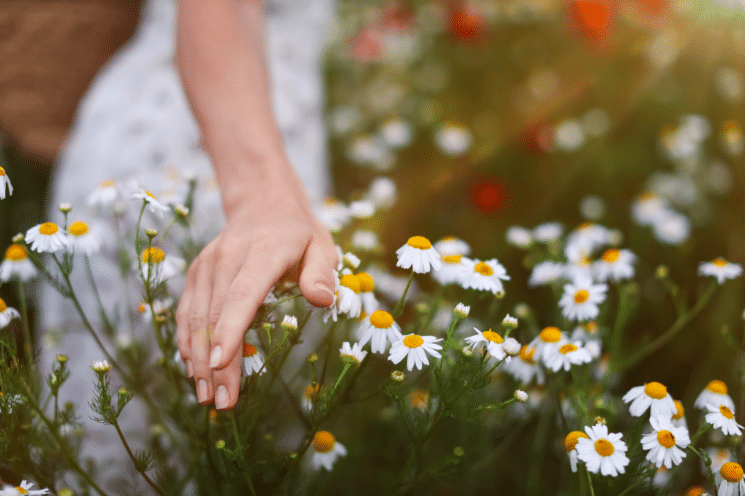
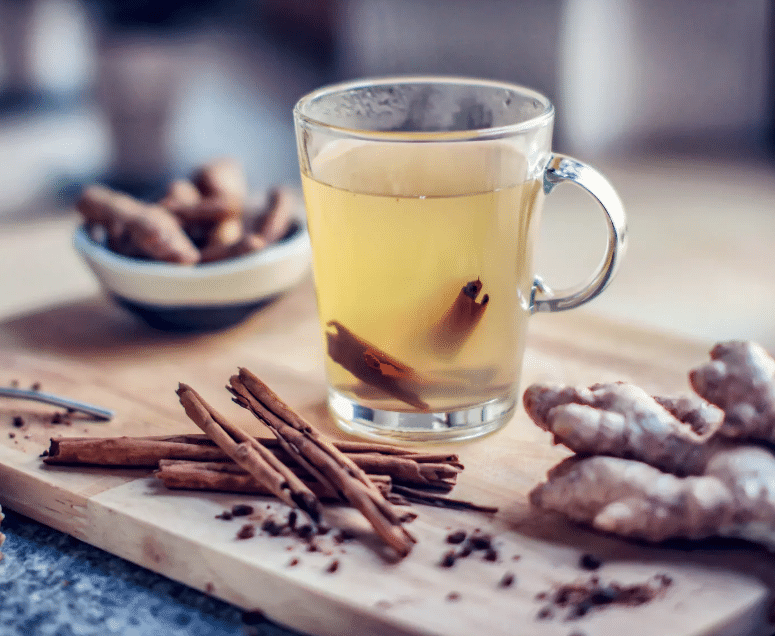
You've probably experienced something similar in everyday life. Someone who is iron deficient may find themselves craving red meat because their body is searching for nutrients it lacks. On a cold winter day, many of us instinctively reach for a cup of warming Ginger tea (especially when we’re sick!) for its ability to warm and soothe the body. During periods of stress, we may find ourselves drawn to calming herbs like Lavender or Chamomile without even consciously knowing why. This foundational wisdom extends to aromatic plants and aromatic medicine as well.
The more we begin paying attention to these patterns, the more we learn how to observe ourselves with greater awareness. Rather than asking only, "What herb is good for this symptom?" we begin asking a different question: Why am I drawn to this particular plant right now? And when we start to tune into that information, it can tell us so much about not only who we are, but where we might be out of balance, and what types of herbs and formulas might best suit our personality and energy in this moment.
Plant Energetics & Personal Constitution
Just as every person has their own unique personality and energy, plants have their own unique expressions, too. Rather than seeing herbs as simply a list of medicinal benefits or chemical constituents, traditional practitioners learned to view them as living beings with recognizable patterns and energetics. How does a plant feel? Is it warming or cooling? Drying or moistening? Energizing or calming? Expansive or grounding?
For example, Ginger is often experienced as warming and activating, while Vetiver feels cooling and grounding. Frankincense may feel uplifting, clarifying, and stimulating, whereas Myrrh is often described as centering, balancing, and consolidating. Chamomile is traditionally considered cooling and moistening, while Rosemary is warming and drying.
However, not every herb fits neatly into a single category. Some have well-established energetics that have been observed for centuries, while others are more neutral or interpreted differently across healing traditions. This is where aromatic medicine becomes both a science and an art, as we learn what qualities a plant offers and how those qualities relate to the person standing in front of us.
Unlock Your Free Issue Of...
🌿 The Aromatic Medicine Garden Membership 🌿
Are you ready for a deeper, holistic dive into the world of aromatic plants? See what our membership is all about with your free sneak peek issue, including an hour-long plant talk and a 21-page plant profile pdf full of recipes and insights.

Consider someone who always runs hot: flushed face, irritable digestion, and a tendency toward inflammation. If they're experiencing digestive distress and reach for Ginger (a fiery, heating digestive herb), they might actually aggravate the issue, adding more fire to an already overheated system. But Peppermint, with its cooling and soothing qualities, could be exactly what brings relief.
This is why Lavender – a cooling, calming, moistening herb – might be the ideal remedy for someone with excess fire (hot, anxious, unable to settle). But that same Lavender might feel too sedating or even slightly aggravating to someone who already runs cold and needs warming, stimulating support instead. Different bodies have different constitutions and different needs.
These are, of course, simplified examples. The deeper you explore, the more nuanced this process becomes. Learning the energetics of herbs is only half of the equation. It's also important to understand the person standing in front of you.
What does this particular person need to come back into balance? That question is really where the art of holistic medicine lives. Instead of reaching for a one-size-fits-all protocol, we start noticing patterns, picking up on relationships, and matching a plant's qualities to what this specific person actually needs.
Maybe that's why certain herbs pull us in before we even know why. Those pulls might point to something about our constitution, or the imbalance we're currently working through, or simply a lifelong affinity. Either way, they're worth paying attention to—they're an invitation to get curious about why we love the plants we love.
Ancient Healing Traditions Around the World
What’s fascinating is that when we begin exploring ancient healing traditions, we discover that this foundational wisdom was woven into the very fabric of their healing practices. Although these traditions developed independently across different cultures and continents, many recognized that both plants and people expressed unique patterns and qualities.
While each system developed its own language and framework for understanding these relationships, they shared a common curiosity about determining the qualities of plants and how they interact with the human body.
Some examples of these traditions include:
- Ayurveda
- Unani Tibb medicine
- Tibetan medicine
- Ancient Greek medicine and the Humoral theory (learn more about this ancient healing tradition in our vlog post here)
- Traditional Chinese Medicine
- Traditional Western herbalism
- Aromatherapy
- Aromatic medicine
One of the interesting things about studying these traditions is discovering where they overlap (and where they don’t). For example, Ginger root is one of the few herbal remedies featured in four of the world's most influential traditional medical systems: Chinese, Ayurvedic, Greek, and Unani Tibb. These diverse traditions all surprisingly agree on one thing: Ginger’s warming qualities.
But that's not always the case. Sometimes these traditions see the same plant through slightly different lenses, which offers us new perspectives and invites us to explore the many layers of these complex botanical allies.
Learning to See the Energetic Patterns
So why study ancient healing traditions? Isn't modern medicine enough? Modern science has given us incredible insights into the chemistry and mechanisms behind plants. However, looking at plants through the lens of traditional healing systems gives us another way of understanding their relationships with the human body, mind, and spirit.
Just as it is valuable to learn from many different modern herbalists, aromatherapists, and practitioners, it is equally valuable to learn from the wisdom passed down through generations of traditional healers. Each perspective can reveal something new.
When we study these systems, we begin to peel back the layers of the plant world. We start noticing patterns we may have overlooked before, like why certain herbs consistently resonate with us, why a specific plant just doesn’t seem to work for us, why the same formula may affect two people differently, or why an herb keeps showing up (subtly saying, hello, it’s time to work with me!).
This is why plant medicine is a lifelong journey. The deeper we study, the more we learn to observe and listen to the intricate relationships between plants and people. Understanding these patterns adds another layer of awareness to our practice and helps us work with plants in a more personalized, intentional, and effective way.

Ready to dive deeper? In our Foundational Mini-Course Bundle, you'll receive access to two mini-courses: The Elements in Aromatic Medicine & The Personal Constitution Mini-series, where we explore the Humoral Theory based in Ancient Greek medicine.
Through this series, you'll discover your own constitution with a bonus Constitution Quiz, and learn exactly which aromatic plants can bring you back into balance (& why). Whether you're working with yourself or guiding clients, this framework will transform your plant practice.
© 2026 The Northwest School of Aromatic Medicine. All rights reserved.
*The statements above have not been evaluated by the FDA, and are for educational purposes only. This article is not intended to diagnose, treat, cure, or prevent any disease. This article should not be taken as medical advice. Please consult your physician before you use this information for health purposes.
