
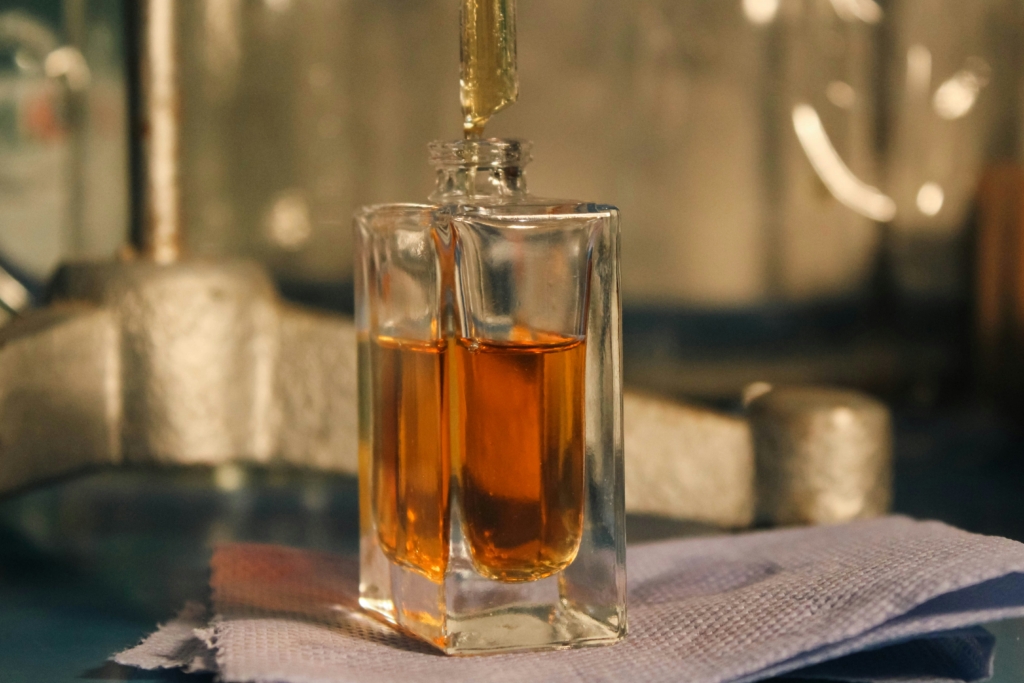
Have you ever purchased an aromatic material you were incredibly excited about, only to open the package and feel a little… underwhelmed? Maybe it was a Sandalwood that smelled faint and flat compared to another you'd worked with before, or a Frankincense that lacked the bright, complex aroma you remembered. Perhaps it was an essential oil that smelled perfectly pleasant, but somehow didn't have the same depth or vitality as another bottle bearing the exact same botanical name.
Then, every once in a while, the opposite happens. You open a package, take that first smell, and immediately know you've found something special.
I've experienced both sides of this more times than I can count. Over the past 15+ years, I've sourced hundreds of aromatic materials from around the world for medicine making, incense crafting, formulation, teaching, my own personal collection, and for my company, Higher Mind Incense. Some of those materials have been so extraordinary that I can still remember the first time I smelled them, while others have taught me just as much by showing me what isn't exceptional.
After spending so many years searching for beautiful natural aromatics, I've learned that there's usually much more behind their quality than we realize.
A Name Only Tells You So Much
Let's take Sandalwood (Santalum spp.) as an example. If you've worked with natural Sandalwood from several different sources, you've probably noticed that one piece of wood, powdered material, or essential oil can smell totally different from another. Some Sandalwood has that deep, creamy, warm, almost buttery aroma the wood is famous for, while others can be lighter, drier, greener, sharper, or considerably less complex.
Part of the reason is simple: Sandalwood isn't just Sandalwood. There are different species of Santalum growing in different parts of the world, under different conditions and ecosystems where the elements express themselves in diverse ways. The age of the tree can contribute to this; the part of the tree being harvested can matter, and where that tree spent its life growing can contribute as well. Then there's everything that happens after harvest: how the material was processed, handled, stored, and how much time passed before it eventually found its way into your hands.
This is part of what makes working with natural aromatics so fascinating. They're not standardized substances rolling off an assembly line; they're products of living plants, shaped by the places they grow and the lives they've lived.
The Aromatic Fingerprint of Place
Wine lovers have a beautiful word for this: terroir.
The term refers to the environmental conditions that help give the grapes grown in a particular place their unique character. Soil, climate, rainfall, elevation, sunlight, the moon and stars, temperature, and countless other factors can all influence the plant growing there.
This is why serious wine enthusiasts don't simply want to know which variety of grape they're drinking. They want to know where those grapes were grown, sometimes down to the particular vineyard and year they were harvested!
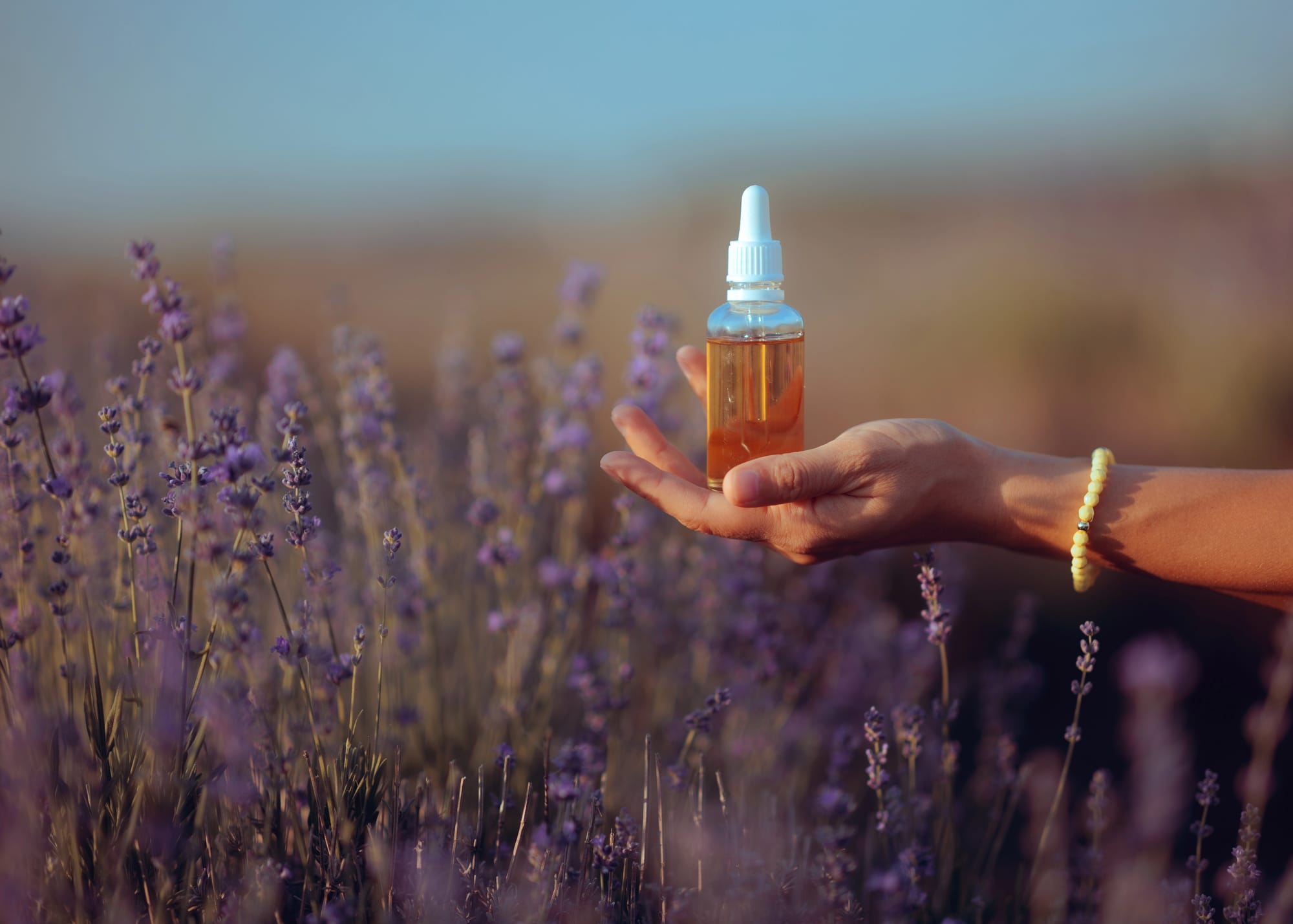
A similar idea can be applied to aromatic plants. Think about Lavender growing beneath the intense Mediterranean sun compared with Lavender growing in the cooler, wetter climate of the Pacific Northwest. Or a Frankincense tree clinging to a dry mountainside in Oman compared with another Boswellia species growing within a completely different landscape in the Horn of Africa.
These plants aren't growing in laboratories under identical conditions. They're constantly responding and adapting to the world around them, and some of those differences eventually find their way into the aromatic materials we smell.
The Beauty of Natural Variation
We live in a world that has trained us to expect consistency. If you purchase the same product twice, you generally expect it to look, taste, smell, and perform exactly the same way each time. But natural materials don't always cooperate with that expectation.
One harvest can differ from the next. Growing conditions change from year to year, individual plants vary, weather patterns shift, and the way a material is harvested and processed can change. For someone accustomed to standardized commercial products, this variability can initially seem like a flaw, but I think it's one of the most beautiful things about working with natural aromatics.
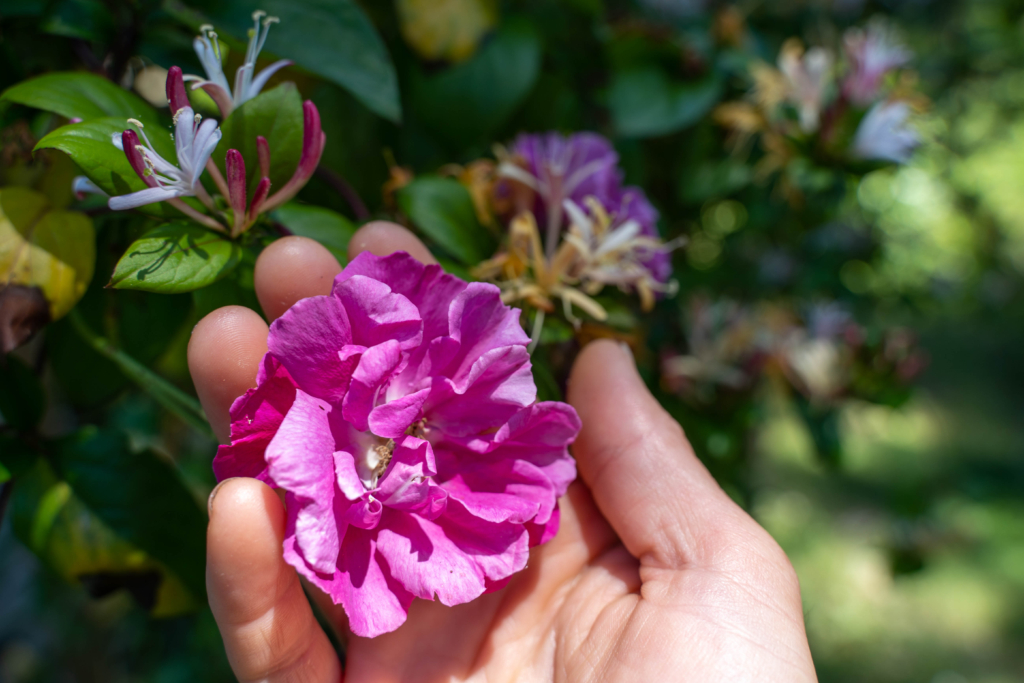
A beautiful Rose absolute isn't simply "Rose scent." It's the aromatic expression of thousands of flowers that were alive in a particular place, during a particular growing season, harvested and transformed through a particular process. The same is true for Vetiver roots, Patchouli leaves, Jasmine blossoms, Frankincense tears, Sandalwood heartwood, and countless other aromatic materials.
Once you begin appreciating this natural variation, you start paying attention more closely. You smell more carefully, compare different specimens, notice subtleties you might have missed before, and eventually begin developing your own sense of what you find truly exceptional.
Unlock Your Free Issue Of…
🌿 The Aromatic Medicine Garden Membership 🌿
Are you ready for a deeper, holistic dive into the world of aromatic plants? See what our membership is all about with your free sneak peek issue, including an hour-long plant talk and a 21-page plant profile pdf full of recipes and insights.

But How Do You Know What's Actually Good?
This is where things get a bit tricky. Spend enough time exploring the aromatic marketplace, and you'll encounter all kinds of language: premium, rare, wildcrafted, artisan, superior grade, organic, ethically sourced, sustainable, and plenty more. Sometimes those words communicate something important, while other times, they don't mean nearly as much as we might assume.
Even price doesn't give us a perfect answer. I've encountered expensive aromatic materials that didn't impress me, and comparatively inexpensive ones that were absolutely beautiful. If something is rare, wild, or costly, it doesn't always mean it’s better.
To make things even more complicated, the aromatic you personally love most isn't necessarily the one somebody else would choose. Aroma is deeply personal, and part of working with these materials over time is learning to recognize the difference between someone else's definition of "the best" and the qualities that you have learned to appreciate.
This is where learning about aromatics begins to move beyond simply memorizing plant names, properties, and uses, and into something much more interesting: developing discernment.
Learning to Smell More Closely
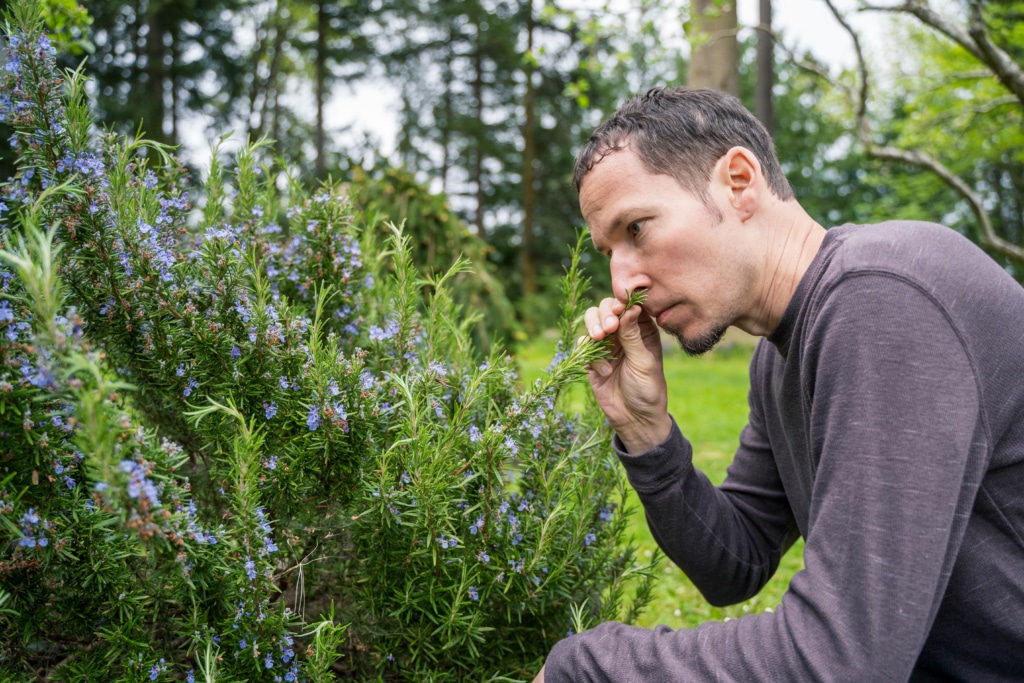
One of the simplest ways to begin developing this discernment is also one of the most enjoyable: comparing aromatics side-by-side.
If you have several types of Frankincense in your collection, for example, experience them one after another. Instead of immediately trying to decide which one is "best," simply pay attention to the differences. Is one bright and citrusy while another is deep, resinous, woody, or balsamic? Does one seem relatively simple while another continues revealing different aromatic notes the longer you experience it? Which one draws you back for another smell?
Then look a little deeper. Compare the botanical names, where each came from, and anything you know about how they were grown, harvested, or processed. You can do the same thing with essential oils, aromatic woods, resins, herbs, absolutes, extracts, or virtually any other natural aromatic.
The point isn't to become overly critical of everything in your collection (or turn into an aromatic snob!). It's simply about learning to pay attention. The more closely you smell, the more you begin to realize just how much diversity exists within the aromatic world.
There is Always Another Layer
This is one of the things I've loved most about aromatic plants throughout my life: you never really reach the bottom.
You might begin by learning that Frankincense comes from trees in the Boswellia genus. Then you discover there are numerous species of Boswellia, and when you begin smelling those species side-by-side, you realize just how different they can be. This might lead you to uncover more of their story. You then wonder where they're growing, how they're harvested, why some resins look so different from others, who is gathering them, how they're graded, and how they eventually make their way from a tree growing halfway around the world to the little bag sitting in your apothecary.
And suddenly, that little piece of Frankincense resin sitting on your charcoal isn't so simple anymore!
This happens over and over again in the aromatic arts. The more you learn, the more there is to become curious about, and I think that's part of what separates simply using aromatic plants from developing a lifelong relationship with them.
Eventually, we start wanting to know as much of their stories as we can. Not only what they can do for us, but where they came from, why one specimen is different from another, who cared for or harvested them, and what our relationship with these plants means for their future.
Take a Closer Look at Your Own Aromatics

Want to dive deeper into aromatic plants? The Aromatic Medicine Garden is our online plant library dedicated to exploring the traditional uses, botany, science, folklore, and herbal and aromatherapy applications of aromatic plants from around the world.
Inside, you'll find in-depth plant videos, growing and harvesting tips, sustainability insights, natural remedy recipes and tutorials, plant monographs, and a community of like-minded plant lovers all learning how to deepen their relationship with the aromatic world.
© 2026 The Northwest School of Aromatic Medicine. All rights reserved.
*The statements above have not been evaluated by the FDA, and are for educational purposes only. This article is not intended to diagnose, treat, cure, or prevent any disease. This article should not be taken as medical advice. Please consult your physician before you use this information for health purposes.
