
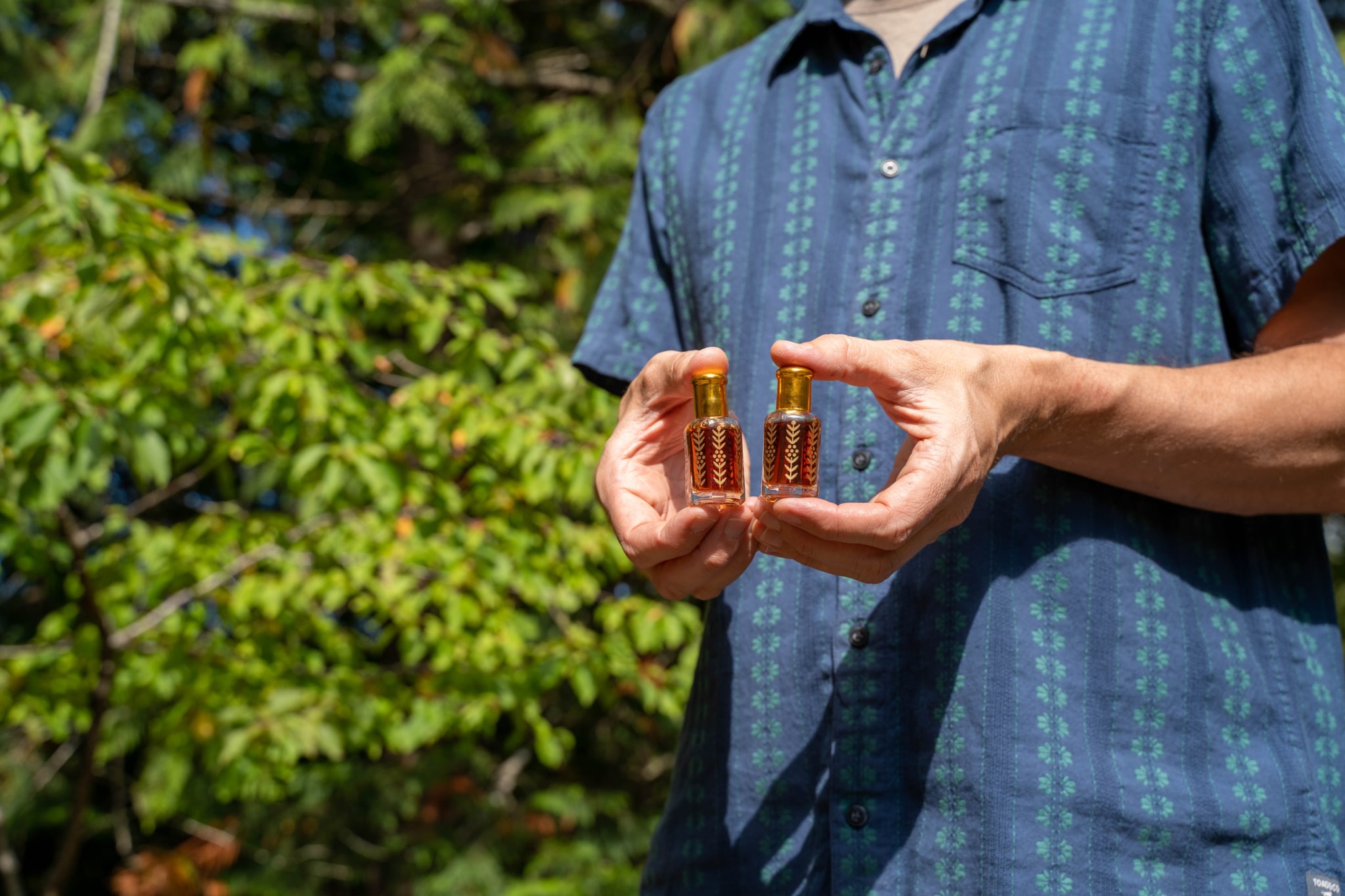
Have you ever picked up an aromatic material and felt reassured by the words on the label? Wildcrafted. Organic. Ethically sourced. Sustainably harvested. These are words many of us who love plants are naturally drawn toward because we want the herbs, essential oils, resins, fragrant woods, extracts, and incense materials we work with to come from good places and be harvested in ways that respect the plants and the people behind them.
But there's an interesting problem: none of these words necessarily mean the same thing. A material can be organic without necessarily being sustainably produced, something can be wild-harvested and still place considerable pressure on a plant population, and a cultivated aromatics aren't necessarily inferior—or even less "natural"—than one gathered from the wild.
The deeper I've gone into the world of natural aromatics, the more I've realized that sustainability isn't something we can always determine from a single word printed on a label. Like so many things in the aromatic arts, there's usually another layer.
Not All Harvests Ask the Same Thing of a Plant
Think for a moment about the different parts of plants we use as aromatics: flowers, leaves, fruits, seeds, roots, bark, resins, and heartwood. From our perspective, these might simply look like different aromatic materials sitting on a shelf, but from the plant's perspective, harvesting each of these can be a very different event.
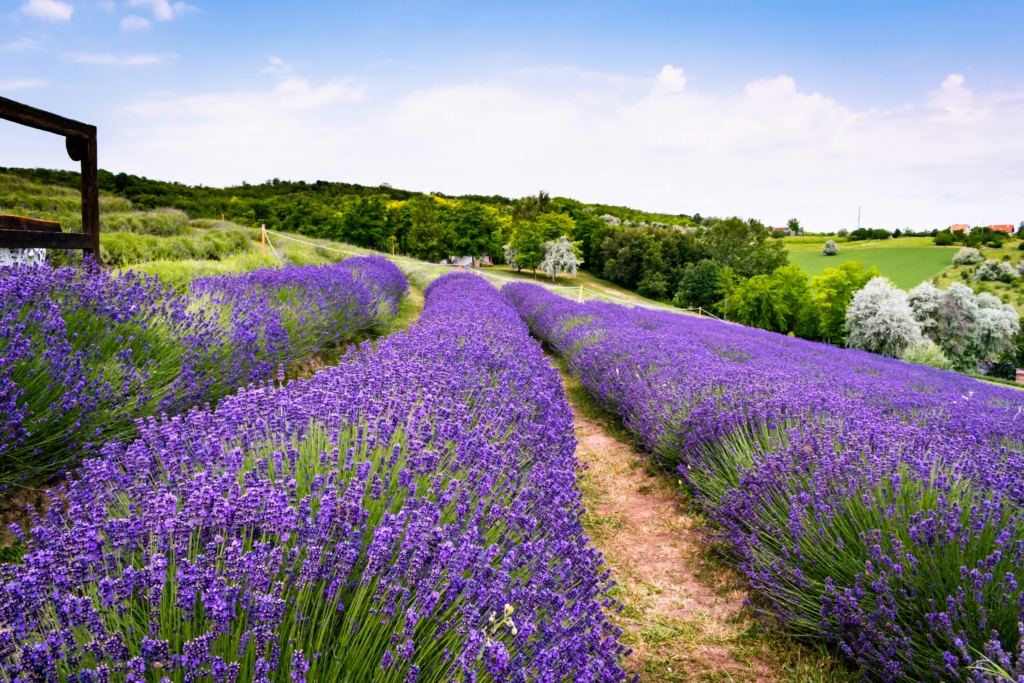
Picking the flowers from a Lavender plant is not the same as digging up the roots of an aromatic plant. Harvesting leaves from a healthy tree is not the same as removing its bark, and collecting fruit or seeds is very different from harvesting aromatic heartwood that may have taken years—or sometimes decades—to develop inside a tree.
Some plants can give us aromatic material repeatedly throughout their lives, while with others, obtaining the material we value may injure or even require the death of the plant. This doesn't automatically make one type of aromatic "good" and another "bad," but it does give us something important to think about: What are we actually asking of the plant when we harvest the part we use?
Wild Doesn't Always Mean Better
I've always loved wild plants. There's something incredible about encountering an aromatic plant growing where it has adapted to live for generations, surrounded by the soil, elements, climate, insects, animals, fungi, neighboring plants, and countless other relationships that make up its ecosystem.
So it's understandable that the word wildcrafted can carry a certain appeal. It can sound almost synonymous with pure, natural, or sustainable, but those aren't necessarily the same thing.
Imagine a wild aromatic plant growing abundantly in a particular region and being harvested on a relatively small scale by local communities. Now imagine that same plant suddenly becoming incredibly popular around the world, with essential oil companies, herbalists, incense makers, natural perfumers, cosmetic companies, and consumers all wanting the same material.
The plant hasn't changed, but our relationship with it has. What may have been an entirely reasonable harvest at one level of demand can become something very different when thousands or even millions of people begin wanting the same material.
In some situations, thoughtful cultivation can actually help reduce pressure on wild populations while creating a more dependable source of material. Of course, cultivation brings its own questions, which is another reason there's rarely a single word on a label that tells us the whole story.
Plants Don't Grow at the Speed of Markets
This is something I think about often. Our modern marketplace can move incredibly quickly, and a plant can appear in a popular product, article, video, or social media post and suddenly become more desirable to people around the world almost overnight.
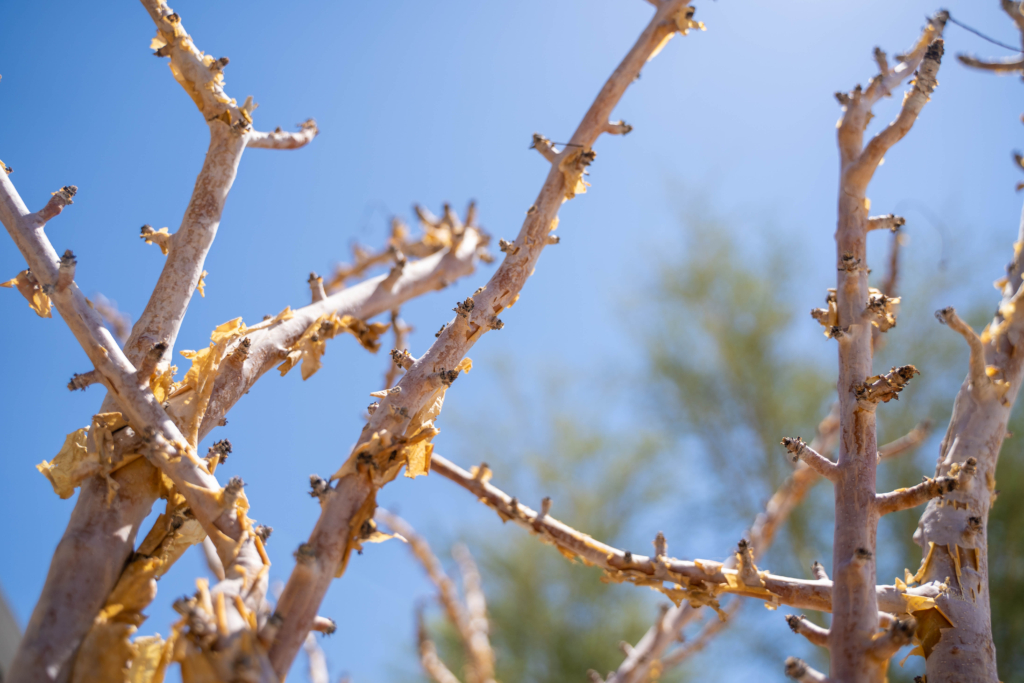
But plants still grow according to their own rhythms. A tree that takes decades to mature doesn't suddenly grow faster because demand has increased, a root doesn't regenerate overnight because more people want it, and a wild population doesn't automatically expand because an aromatic material has become fashionable.
Plants operate on botanical time. The markets don't. That difference becomes especially important when we're working with aromatic materials that come from slow-growing trees, roots, bark, heartwood, or plants with relatively limited natural ranges.
This doesn't mean we need to become afraid of using precious aromatic plants. But I do think it means we should become more curious about them, where they come from, and what it takes for the plants to continue providing these materials into the future.
Go Deeper Into the World of Fine Aromatics 🌿
Discover how to find extraordinary aromatic materials, recognize what makes them exceptional, and better understand the plants and people behind them.
The Aromatic Connoisseur Series is a three-part journey into sourcing, quality, discernment, sustainability, and the deeper stories behind the aromatics we love.
What Words on the Packaging Really Tell Us?
Organic, ethical, natural, fair, and sustainable. Oftentimes these terms represent meaningful practices and genuine commitments from the people producing the material, while other times they may simply be words on a product page.
The challenge for us is learning to become curious enough to look beyond them. Rather than assuming a particular word guarantees something, we can begin asking what that word actually means for this particular plant, source, and material.
There Are People Behind Our Aromatics Too
It's easy to imagine the journey of an aromatic beginning when a package arrives at our door, but in reality, that's usually close to the end. Long before a resin reaches your incense burner, someone may have walked among the trees and collected it, sorted it, transported it, and prepared it for the next stage of its journey.
Before an essential oil reaches your diffuser, someone grew or harvested the plant material, transported it, loaded the still, performed the distillation, separated the oil, stored it, and eventually prepared it for sale or export. Before a fragrant wood reaches your hands, there may have been growers, harvesters, processors, graders, traders, exporters, importers, and sellers involved along the way.
Sometimes these supply chains are remarkably short, while other times they're surprisingly complicated. And somewhere near the beginning of almost every one of them are people whose lives are connected to these plants in ways that ours may not be.
When we talk about protecting aromatic plants, I don't think we can completely separate the plants from the people and communities who grow, harvest, process, and depend upon them. They're part of the story too.
From Commodity Back to Plant
One of the strange things about the modern aromatic world is how thoroughly plants can disappear from the materials they become. We see a bottle of essential oil, a bag of resin, a jar of powdered wood, a bundle of dried herbs, a bottle of absolute, or an incense stick, and eventually it can become easy to begin thinking of these things simply as products.
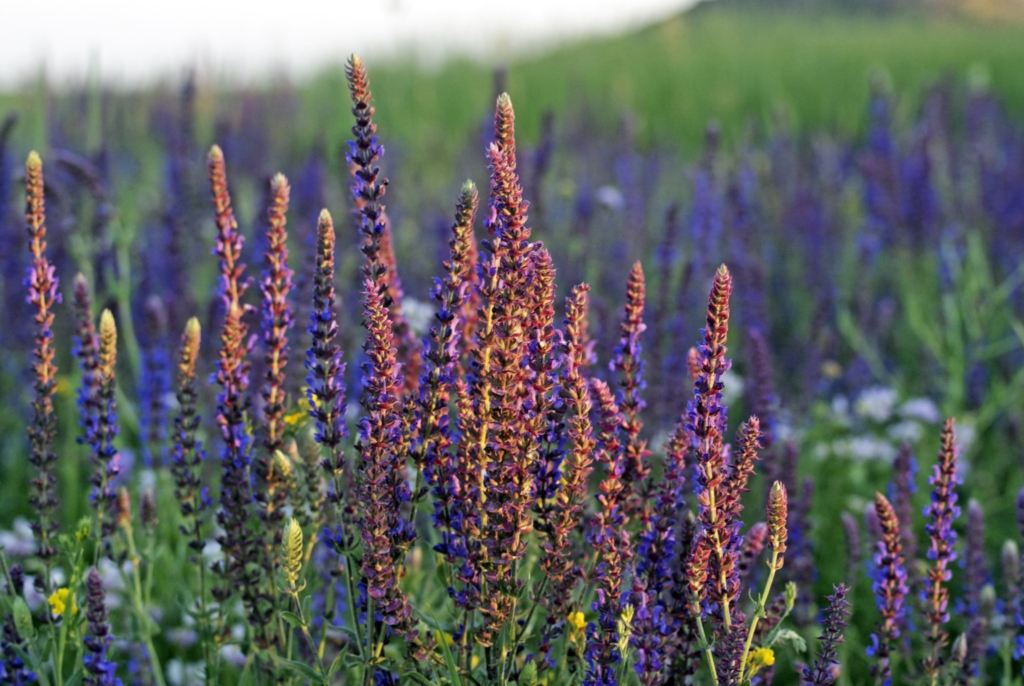
But every natural aromatic began somewhere else. There was soil beneath it, weather around it, sunlight, rain, changing seasons, and a living plant growing somewhere in the world long before its aroma ever reached us.
I think remembering that can fundamentally change our relationship with the materials we use. We begin asking not only what an aromatic smells like or what we can do with it, but where it came from, what it took to produce it, and what our relationship with that plant might mean for its future.
To me, that's another important layer of becoming an aromatic connoisseur. It's not simply about collecting extraordinary materials or developing a sophisticated nose, but learning enough about the plants behind our aromatics that we can become better ambassadors for them.
Meet the Plant Behind One of Your Aromatics
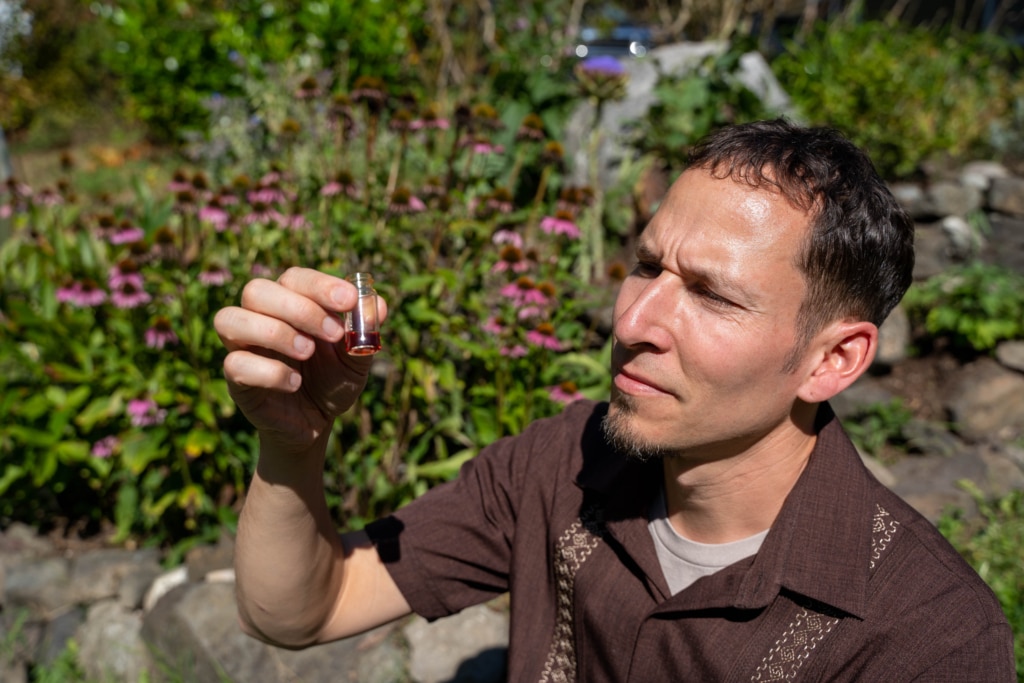
Sometime this week, I invite you to choose one aromatic from your collection. One you may not know as well as other. Maybe it's an essential oil you use all the time, a favorite incense resin, a fragrant wood, an herb, an absolute, or something else entirely.
Then forget about its properties and uses for a moment and investigate the plant itself. What does it actually look like, where does it grow, how large does it become, and what part of the plant are you holding? How long does that part take to develop, is it cultivated or wild-harvested, and what has to happen to that living plant for the aromatic material on your shelf to exist?
You may discover that the answer is incredibly simple, or you may find yourself disappearing down another aromatic rabbit hole. Either way, the next time you pick up that bottle, bag, or jar, you might see it a little differently.
Are You Ready to Go Deeper
Into the World of Fine Aromatics?
If this article has you looking at the aromatics on your shelf a little differently, this is exactly the kind of deeper exploration at the heart of The Aromatic Connoisseur Series. Across three classes, we'll journey beyond simply using aromatic materials to better understand where they come from, what makes them truly exceptional, and how we can become better guardians of the plants and people behind them.
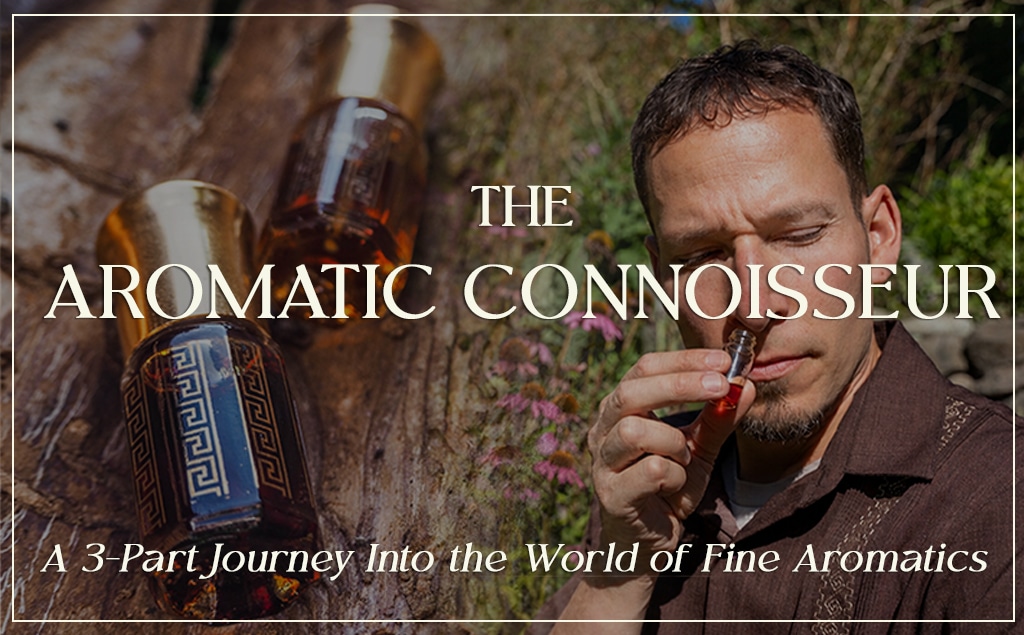
You'll learn how to find extraordinary aromatics and trustworthy sources, develop your nose and discernment for quality and natural variation, and explore the complex world of sustainability, regeneration, ethical sourcing, and the future of precious aromatic plants.
SOURCE IT → KNOW IT → PROTECT IT. 🌿
If you're ready to experience the aromatic world with greater knowledge, curiosity, and connection, I'd love to have you join me.

Written by Evan Sylliaasen
Founder
The Northwest School of Aromatic Medicine &
Higher Mind Incense
