
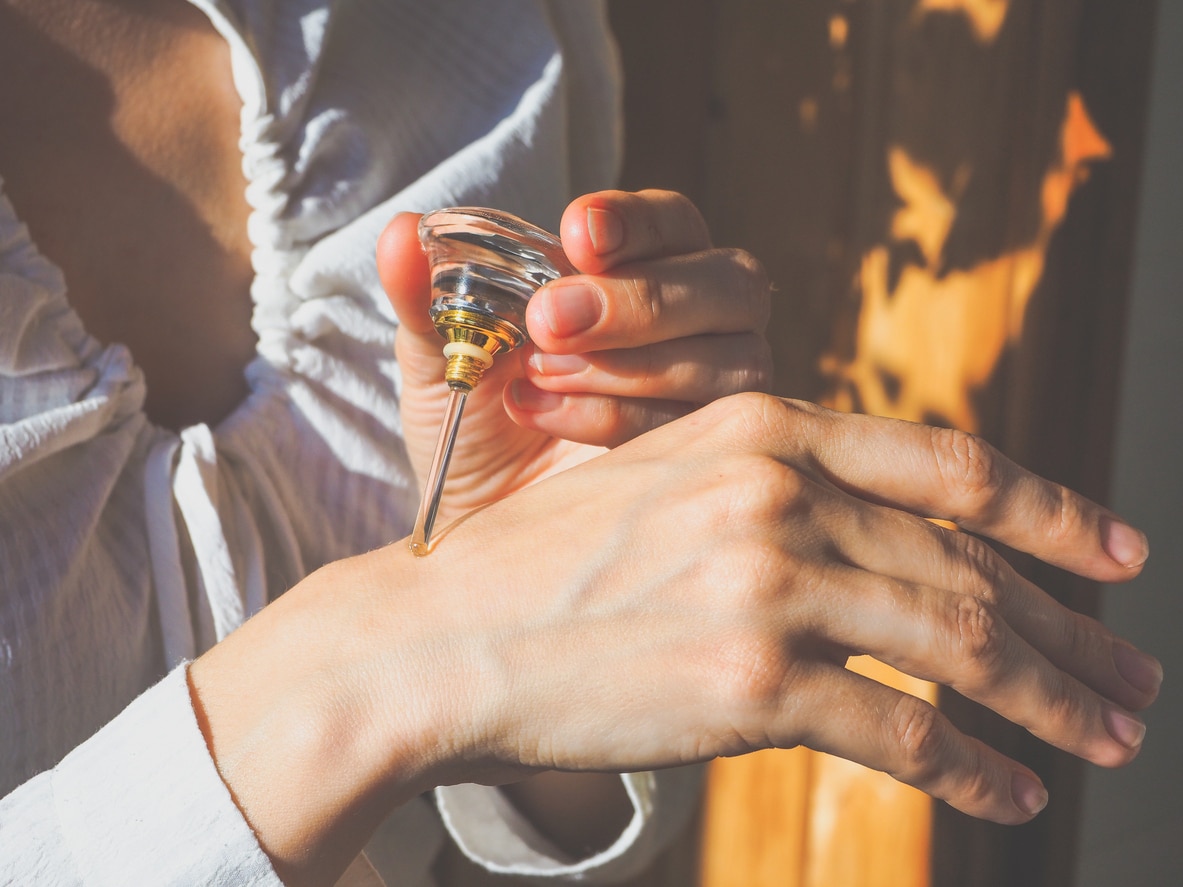
Video features award-winning perfumer & school instructor JK DeLapp
Imagine what it was like, thousands of years ago, witnessing it for the first time: raw resin dropped onto hot coals, releasing a mesmerizing fragrance with no synthetic world to compare it to, no candle aisle, no perfume counter. Just smoke carrying something that felt otherworldly. It's no surprise these aromatic materials were treated as treasures reserved for royalty, gods, and the dead.
Raw aromatic plant materials — flowers, herbs, resins, and wood — have scented human life for thousands of years, long before essential oils or synthetic scents. In fact, the word perfume comes from the Latin phrase per fumum, which translates to "through smoke." These materials became so valuable that they helped drive the spice trade across continents, reshaping trade routes and influencing nearly every ancient civilization along the way. Let's journey through the fascinating history of natural perfumery and explore how this ancient art is still a way for us to connect with the sacred.
History of Natural Perfume
There once was a time when fragrance was considered more precious than gold. Aromatic materials were reserved for royalty in nearly every culture, prized not only for their captivating scent but for how rare and difficult they were to obtain.
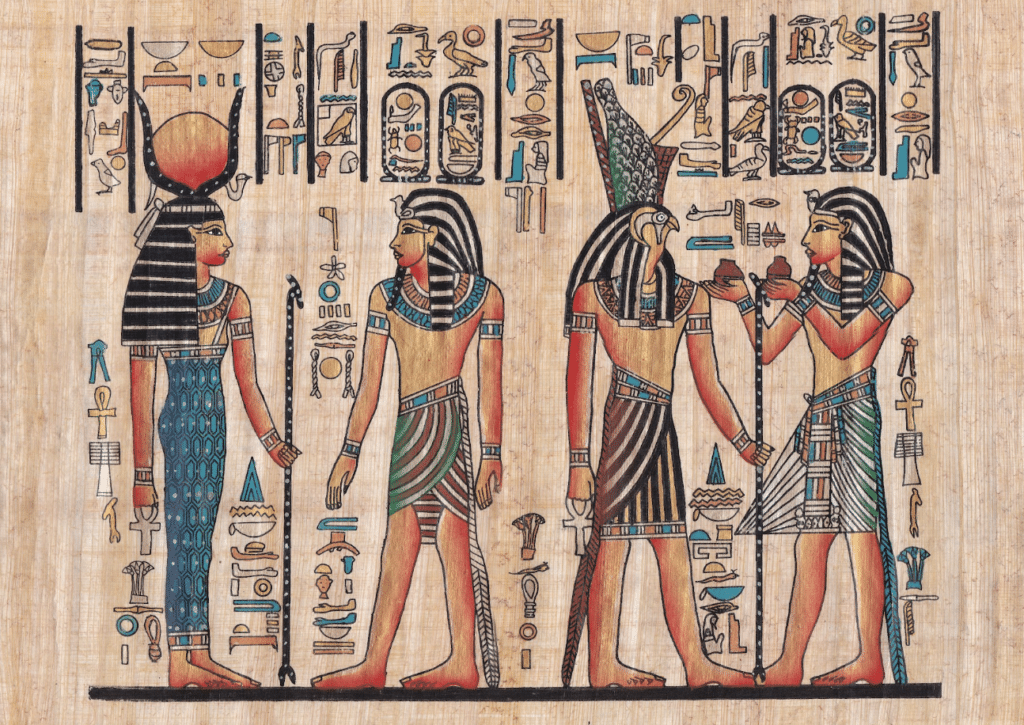
Many ancient cultures linked fragrance to immortality, burying aromatic treasures alongside kings and pharaohs to accompany them into the afterlife. When archaeologists opened the tomb of Tutankhamun, the pharaoh of Egypt's Eighteenth Dynasty, they found vases still holding the remnants of perfumed oils and other aromatic substances. Egyptian mummies were commonly wrapped with aromatics like Myrrh, Frankincense, and Cedar resins, materials chosen in part for their natural antibacterial and antifungal properties, which helped preserve the body and mask the odors of decay.
But preservation was only part of the story. Perhaps more importantly, these aromatic materials were believed to bridge the human and divine realms, helping a spirit ascend or transform into a deity. Tombs were treated as eternal homes, stocked with the provisions a monarch would need in the next world: the same perfume oils, cosmetics, and incense Tutankhamun would have used for daily grooming and ritual in life were buried with him for the journey beyond.
Aromatic oils also played an important role in Egyptian daily life, beauty rituals, and spiritual practice. In religious ritual, their fragrance was believed to please and appease the gods. In daily life, Egyptians applied perfume oils to the body as personal fragrance and worked them into cosmetics and skincare, reflecting how central beauty and grooming were to Egyptian culture.
Ancient Greece and Rome developed thriving perfume industries, where skilled perfumers known as unguentarii crafted fragrant oils and aromatic preparations called unguents. Egyptians would wear unguent cones atop their heads during ceremonies and celebrations, allowing the day's heat to slowly melt the fragrant wax and release scented oils through their hair and onto their skin.
One of the greatest legacies of Egyptian perfumery was Kyphi, a famous aromatic formula that illustrates how fragrance blurred the lines between perfume, incense, and medicine. Historically, Kyphi was burned as incense, worn as perfume, and even ingested as medicine. Ancient texts suggest it contained at least 16 ingredients, though the exact recipe varied across dynasties and regions. Common ingredients found in historical Kyphi recipes include Frankincense, Myrrh, Storax, Cinnamon, honey, raisins, wine, and other precious botanicals. The result was a richly aromatic preparation that embodied the Egyptian understanding of scent as both a practical and sacred art.
The Universal Language of Aroma
One of the most fascinating aspects of aromatic history is that nearly every civilization prized fragrance, often independently, and often for the same underlying reason. Across the ancient world, aromatic plants were used not only for their beauty, but also as symbols of status, spirituality, medicine, and connection with the divine. Though each culture developed its own unique traditions, scent became a universal language that transcended borders.
In Egypt, fragrance moved between temple, tomb, and toilette, as we've seen. Even the false beards worn by Greek and Egyptian royalty carried the scent of sacred resin. One of the prized aromatics of the ancient Mediterranean was Labdanum, a sticky resin produced by the Rockrose shrubs that grew wild across Crete. According to tradition, herders would drive their goats through the dense thickets, allowing the resin to cling to the animals' coats before combing it from their hair. That same goat hair was often used to craft the ceremonial false beards worn by kings and pharaohs, infusing these symbols of authority with the rich fragrance of Labdanum resin. Worn so close to the body, fragrance was an expression of royalty, a symbol of the sacred, and another way of connecting with the divine.
Across the Indian subcontinent, artisans developed one of the most sophisticated extraction methods in history, distilling aromatic materials into Sandalwood oil to create attars, a natural perfumery tradition still practiced today. Sandalwood held such stature there that a funeral pyre built from its logs was considered fit for the wealthy, a practice carried into the twentieth century when Mahatma Gandhi was cremated on Sandalwood, along with flowers, incense, and ghee.
In China, aromatics accompanied emperors into death alongside members of their household and army, provisioned for the next world the same way Egyptian pharaohs were. Old traditions of cosmetics — rouge, early forms of lipstick — trace roots back through Chinese culture as well as Egyptian, often emerging as a byproduct of aromatic practice rather than a separate pursuit.
In the Middle East, aromatic materials like Rosewater and Saffron were compounded directly into the mortar of mosques, some of which still hold traces of that scent in their walls today. Islamic tradition holds that Muhammad adorned himself with fragrance, and the perfume trade in the region remains deeply active to this day.
In Europe, incense found its way into Catholic and Orthodox worship, filling cathedrals with an aroma that could still be present centuries later. And in the Indigenous Americas (North, Central, and South), a separate aromatic lineage developed with sacred materials like Sassafras, Palo Santo, Copal, and Peru Balsam.
Different cultures with different rituals and traditions, but one thread united them: people believed aroma connected the visible and invisible worlds. Smoke was thought to carry prayer upward and invite the sacred down. In this way, aroma became a shared language that transcended cultures and time. Whether it was potent attar perfumes in India, oil melting from an Egyptian headpiece cone, or resin burning in a Roman temple, the belief was the same –– scent could travel where words couldn't.
One Root, Many Branches
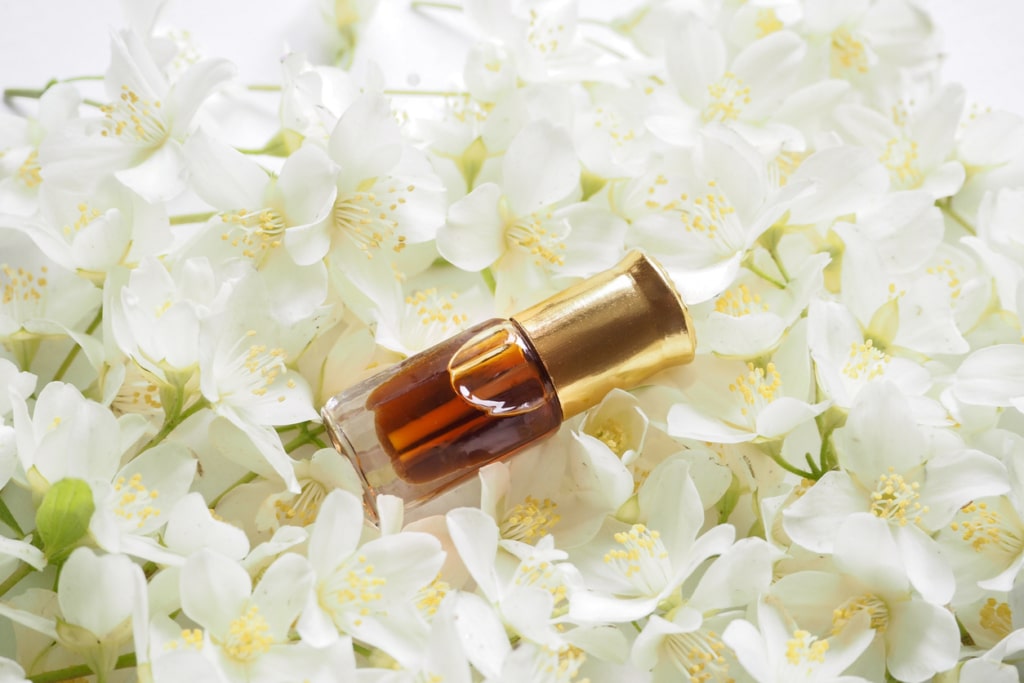
We've explored aroma as beauty, ritual, medicine, and beyond. But there's another layer of depth that working with natural aromatics invites: connecting with the Earth. In our modern world, it’s common to think of incense, perfume, and aromatherapy as separate industries, but they all come from the same root: raw aromatic plants. Before synthetic fragrance existed, every scented thing in daily life traced back to an aromatic flower, leaf, resin, or wood.
The aromatic arts were not only about connecting with the divine, but also being in relationship with nature itself; and for many traditions, there was no solid line between the two. Nature was the divine. The natural world is a sacred space, filled with beauty and wonder, and we humans are a living part of this interconnected web.
Trees and insects communicate through aromatic molecules, a form of chemical language that predates human perfumery by millions of years. In some sense, working with aromatics has always symbolized joining a conversation that was already happening around us, reconnecting and communicating with the natural world.
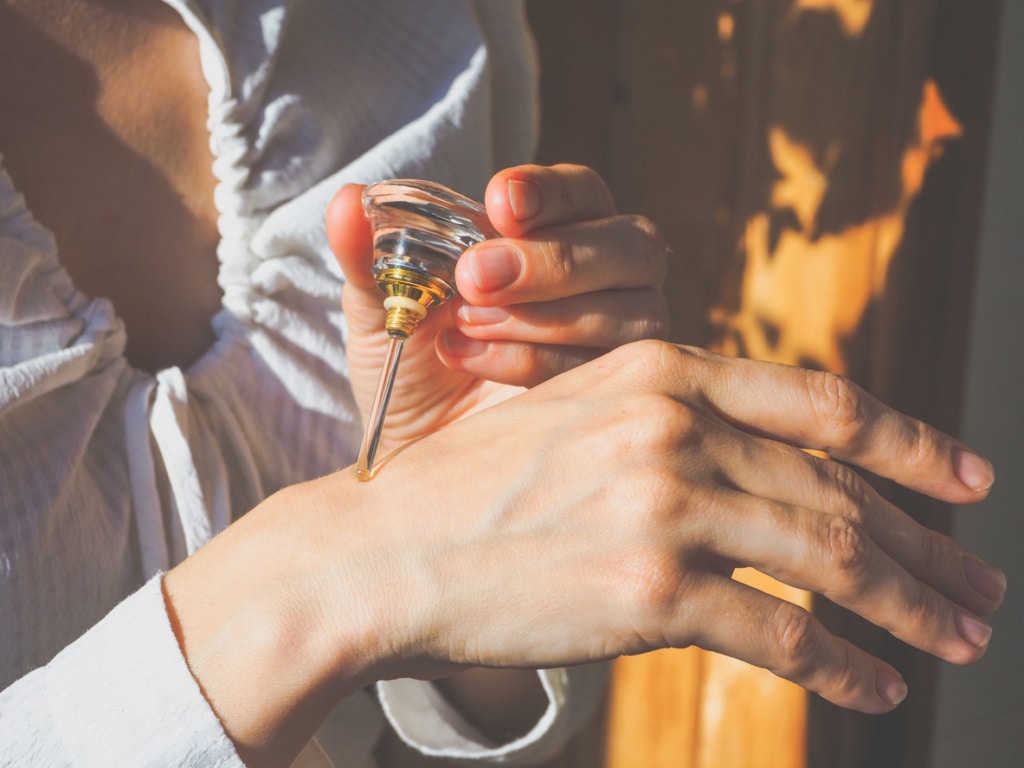
Modern natural perfumery and the tradition of attar-making continue this same practice, built from pure essential oils and aromatic extracts rather than synthetic substitutes. In the alchemical view, an essential oil is the essence of a plant, representing its spirit, distilled into a bottle. To work with or wear an essential oil, then, isn't simply to use a fragrance. It's to hold and connect with, quite literally, the concentrated essence of something that was once alive. And that living being holds the energy of the sun, the earth, and the rain, plus powerful volatile oils with the potential to influence our mind, body, and spirit.
Learning How to Make Attars & Natural Perfume
It's easy, in a world built around screens and to-do lists, to forget what it feels like to slow down. Natural perfumery offers a way back to that. Rather than relying on synthetic fragrance formulas, we learn directly from the plants themselves, discovering how aromatics interact to create natural perfumes that evolve naturally on the skin. Each carries its own personality, story, and aroma, making every perfume a living expression of nature.
For thousands of years, people around the world have turned to aromatic plants to cultivate beauty, celebrate life's milestones, immerse in ritual, support health, and deepen their connection with the natural world. While our modern lives look very different, that ancient story is not entirely lost to us.
One of the most beautiful traditions in natural perfumery is the art of attar making. Passed down through generations across India and the Middle East, attars are among the world's oldest and most treasured forms of botanical perfume. Crafted entirely from aromatic materials, they capture the soul of aromatics in rich, oil-based fragrances.
Join us before Tuesday, July 21st and learn to make your own attar perfumes before the course cost increases permanently.
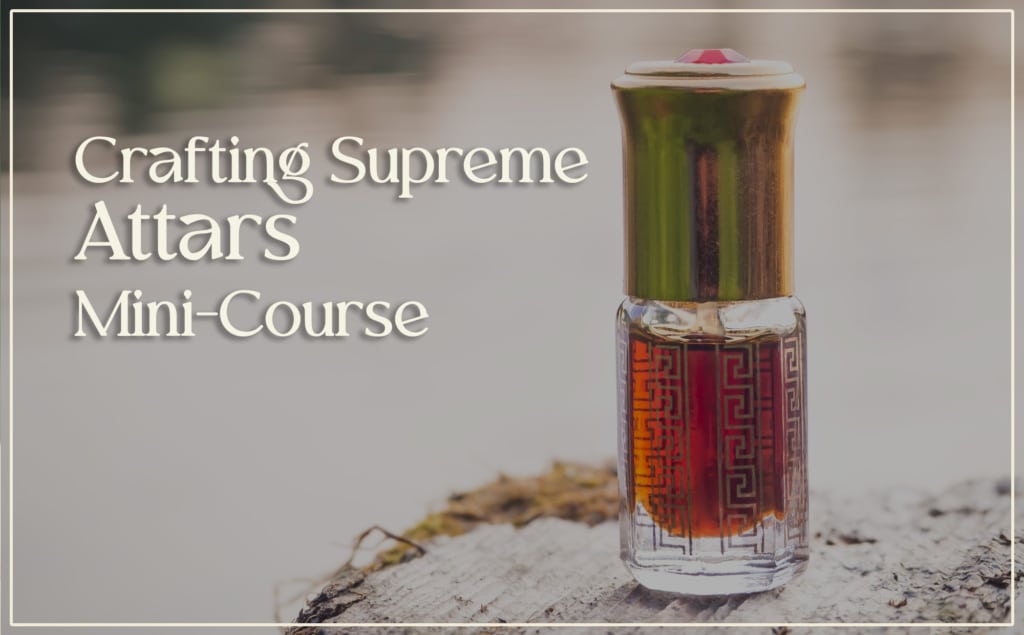
Our Crafting Supreme Attars Mini-Course, taught by award-winning natural perfumer JK DeLapp, introduces you to this beautiful tradition so you walk away with the skills to craft your own attar perfumes.
In 8 lessons, you'll:
- Explore the ancient perfume histories of the world
- Learn about traditional aromatic materials essential to attars
- Discover how to formulate well-balanced, long-lasting fragrances
- Uncover traditional and modern attar-crafting methods
- Get familiar with the tools and supplies for attar-making
- Follow step-by-step instructions to craft your own attars
- Learn how to add complexity and enhance scent longevity
- Experience the joy of creating your own luxurious fragrances
For 1 week only, we're offering an exclusive discount on the current price — your chance to get in before it goes up for good. Offer ends July 21 at midnight PST.
Video features instructor JK DeLapp

© 2026 The Northwest School of Aromatic Medicine. All rights reserved.
*The statements above have not been evaluated by the FDA, and are for educational purposes only. This article is not intended to diagnose, treat, cure, or prevent any disease. This article should not be taken as medical advice. Please consult your physician before you use this information for health purposes.
