
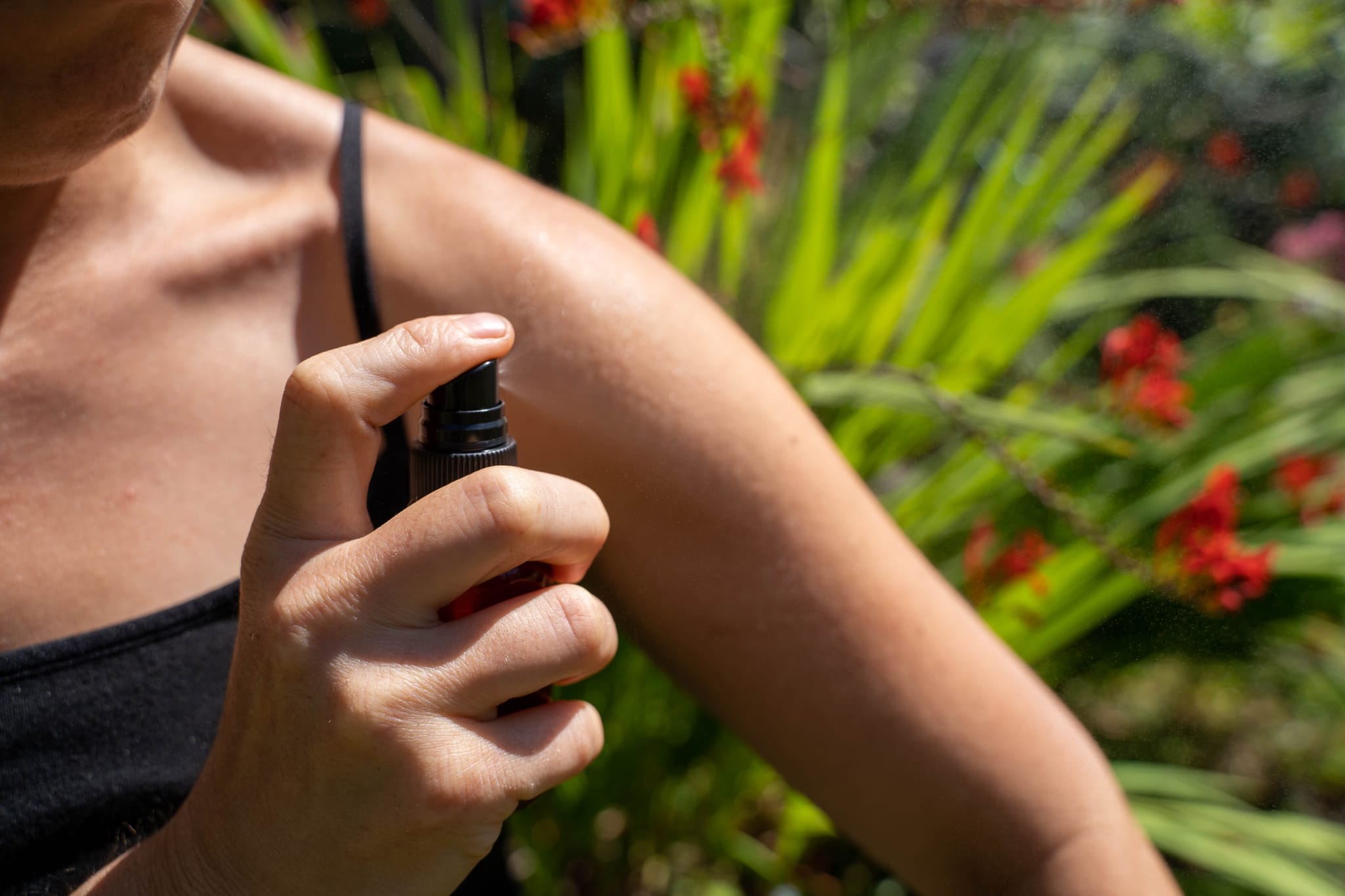
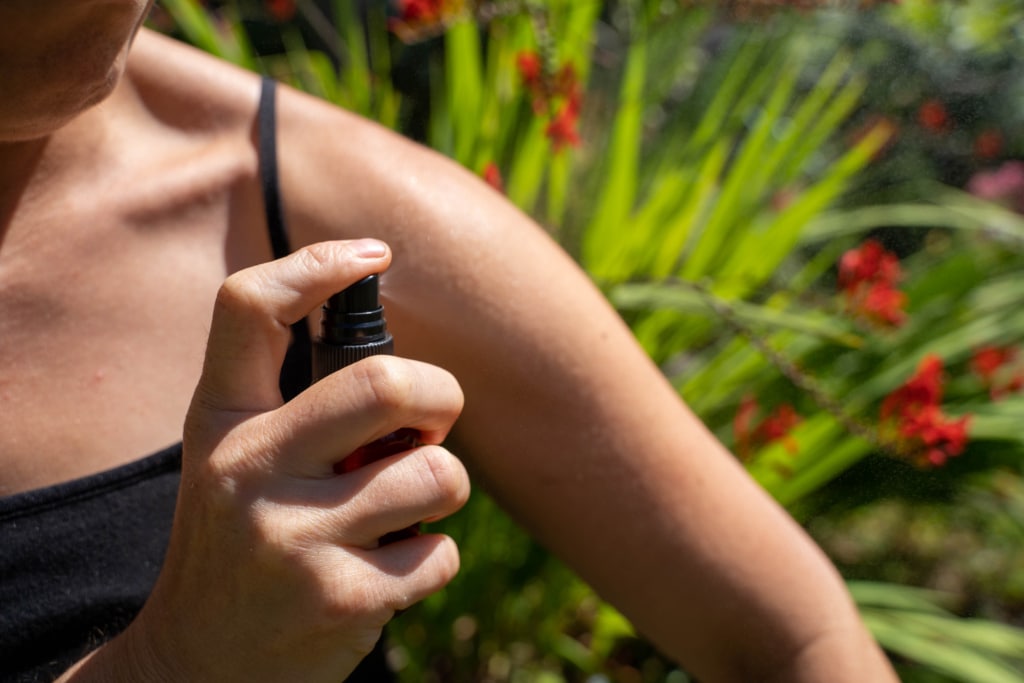
Summer is officially heating up! At the start of the season, there's nothing better than getting outside and soaking up every bit of sunshine. It's usually right about now, though — once the season's worn in a little — that I (and everyone I know) start hunting for ways to keep cool. There’s something about the hot weather that can leave you feeling sluggish and sun-tired, stuck in that overheated, can't-quite-shake-it-off fog…making it a little harder to stay energized (or patient!).
One of my favorite ways to cut through that feeling is with an uplifting, cooling aromatic body spray. A few spritzes, and your body (and mind) feel refreshed again. Below, we dive into how essential oils can cool the body and mind, our top picks for cooling aromatics for summer, and our go-to DIY cooling spray recipe.
What Makes an Herb or Essential Oil Cooling?
The beauty of aromatic medicine is that it blends herbalism and aromatherapy into one holistic practice, which opens the door to a wide range of preparations: teas, tinctures, and cordials, alongside incense, essential oils, hydrosols, topical applications, and more.
Cooling aromatic herbs can be used both externally and internally (as long as they're safe for consumption and topical use), and depending on how they're used, they work in a few different ways. Taken internally, like as a refreshing iced Peppermint or Hibiscus tea, herbs can act as refrigerants or diaphoretics. Refrigerants lower body temperature by cooling the tissues directly, while diaphoretics release heat by inducing sweat and opening the pores. We explore using cooling herbs internally in more depth in our article here.
Used topically, aromatic herbs and essential oils cool the body through their aromatic compounds. Certain plants contain active constituents like menthol and eucalyptol that trigger cold-sensing nerve receptors in the skin, so the brain registers a sensation of cold, often delivering a more immediate cooling effect than internal preparations. Before we dive into some of our favorite go-to aromatic herbs to beat the heat this summer, it’s important to review how to safely use essential oils topically.
Essential Oil Safety Tips
- Always dilute essential oil before topical use: Essential oils are potent and concentrated, so it’s generally recommended to avoid applying them neat to the skin. For tips on how to safely dilute essential oils and what ratios to use, visit our Essential Oil Dilution Chart & Guide.
- Photosensitive oils: In summer, it's tempting to reach for bright, uplifting Citrus oils like Lemon or Grapefruit, but many Citrus essential oils are phototoxic, meaning that if they're applied to skin that's then exposed to UV light, they can cause irritation, redness, and even blistering, similar to a sunburn. The last thing we want is for hot, sun-soaked skin to feel even hotter. For more details, check out our Essential Oil Safety Guide.
- Skin patch test: Everyone is different, and some individuals can have allergies or sensitivities to certain aromatic plants. Even properly diluted essential oils can be irritating to the skin. Always perform a skin patch test to check how your skin responds to an essential oil before widespread use.
- Sensitive populations: Certain groups of people are commonly considered more sensitive to essential oils, such as the elderly, children, and those who are pregnant or breastfeeding. In general, essential oils should be more diluted or avoided in these sensitive groups. Certain essential oils are not considered safe for children or pregnancy, so be sure to research the specific aromatic plant you plan to use (including the Latin name and chemotype) before you use it.
Cooling Essential Oils for Summer
Peppermint (Mentha × piperita)
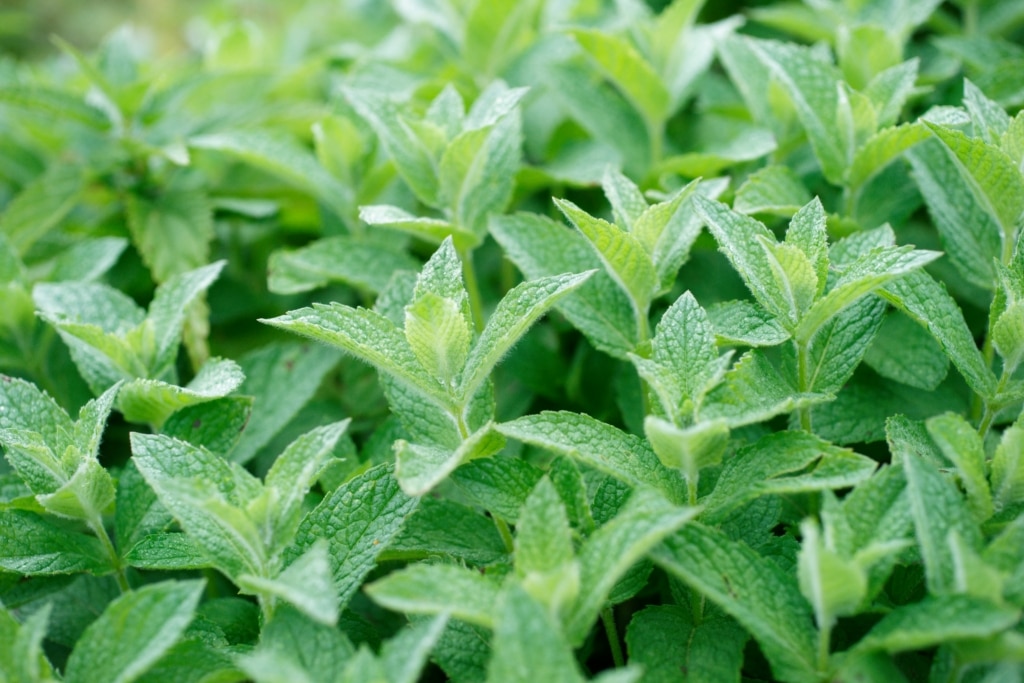
No cooling essential oils list is complete without Peppermint. Its active compound, menthol, binds to the skin's cold-sensing receptors and convinces your brain it's touching something icy, delivering an instantly refreshing sensation, even on the hottest days [1]. Pretty cool! (Pun intended.) On top of that, the aroma of Peppermint is uplifting to the mood and energizing, promoting mental clarity and relieving fatigue that can often accompany that sun-tired feeling. Bonus: Mint is also an effective natural insect repellent.
Note: Peppermint essential oil is potent and can be overly stimulating for some people. If that's you, we recommend trying Spearmint instead. Peppermint oil contains about 40% menthol, while Spearmint contains only around 0.5%, making it a softer, gentler alternative.

Lemon Balm (Melissa officinalis)
This lemony, minty aromatic is one of our favorite cooling summer picks, as it delivers that refreshing citrus scent without the phototoxic risk of true Lemon essential oil (although some essential oil safety experts do consider Lemon Balm itself potentially phototoxic, so it's still worth using with caution in sun-exposed applications). Its revitalizing, cooling qualities make it a natural fit for a summer cool-down spray, easing overheated skin as well as the irritability and nervous tension that heat can bring on. (We dive into Lemon Balm’s uplifting effects more in our blog article here.)
Eucalyptus (Eucalyptus spp.)
In herbal traditions, Eucalyptus is often described as a “cooling stimulant,” and in ancient times it was commonly used to ease fevers for this reason. Eucalyptus contains significant amounts of the aromatic compound 1,8-cineole (also known as eucalyptol), which works in a similar way to menthol, tricking the brain into feeling a cold sensation when applied topically. It can also soothe hot, irritated skin thanks to its anti-inflammatory and analgesic qualities.
Note: Any essential oil rich in cineole, like Eucalyptus globulus and Eucalyptus radiata, should only be used topically at a 0.5% dilution ratio in children under 3 years old, and 1% dilution ratio for children over 3 [2].
Unlock Your Free Issue Of...
🌿 The Aromatic Medicine Garden Membership 🌿
Are you ready for a deeper, holistic dive into the world of aromatic plants? See what our membership is all about with your free sneak peek issue, including an hour-long plant talk and a 21-page plant profile pdf full of recipes and insights.

Lavender (Lavandula angustifolia)
Lavender has a reputation as a relaxing nervine, but it also has a long history of use in topical applications thanks to its skin-soothing qualities. It is considered deeply cooling when used on the skin, not through an icy physical chill like Peppermint, but by calming hot, red, and inflamed skin. For this reason (coupled with its anti-inflammatory, analgesic, and skin-regenerating actions) Lavender has been traditionally used for easing skin irritations, including acne, bug bites, aches and pains, scars, and even sunburns. Lavender’s soothing qualities extend to the emotional realm, too, soothing stress and tension and settling the soul.
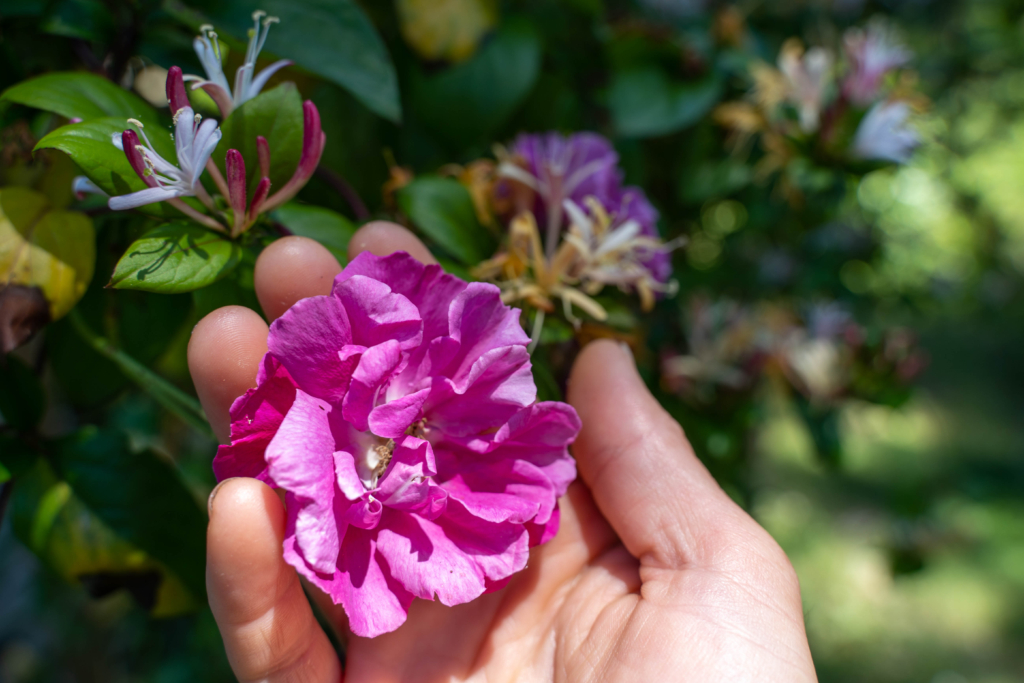
Rose (Rosa spp.)
Rose is one of those classic summer botanicals. Both the essential oil and the hydrosol (aka Rosewater) are cooling and hydrating, making a wonderful facial mist for post-sun care, both literally and energetically. Thanks to its antibacterial, anti-inflammatory, and astringent properties, Rose is a staple in natural skin care and facial toners, helping reduce puffiness, redness, and acne, and easing hot or irritated skin conditions like sunburn. Energetically, Rose is cooling to the emotional heart, helping expel the kind of heat that shows up as anger, frustration, or rage.
I used Rose hydrosol on a sun rash a couple of weeks ago, and it brought instant relief and cleared the rash right up. (This was after a couple days of using a healing salve first, then remembering that inflamed skin typically prefers water-based applications over oil-based ones. Oops!)
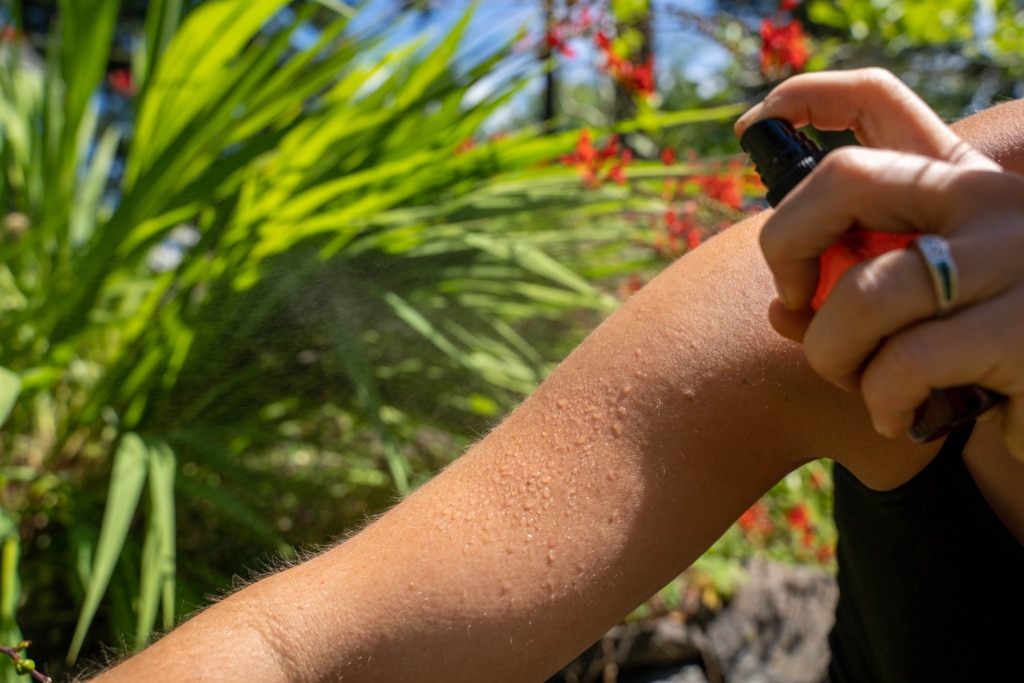
DIY Cooling Body Spray Recipe
If you can remember back to high school chemistry class, oil and water don't mix. This means when you add essential oils to just water, those oil droplets float on top instead of blending in. To address this conundrum, this recipe adds in some witch hazel, which contains a small amount of alcohol that helps disperse the essential oils. That alcohol also has a slightly cooling effect as it evaporates on the skin, and doubles as a natural preservative. (However, it's still recommended to shake the bottle well before each use to make sure the essential oils are evenly mixed.)
This recipe uses a 1% dilution ratio, which is considered appropriate for face and body applications. Feel free to experiment with the ingredients: substitute different essential oils, swap in a hydrosol for the distilled water, or add a touch of aloe vera gel for its cooling effects (if you do, reduce the distilled water accordingly).
I love carrying this spray with me throughout the day, especially when traveling, hiking, adventuring, or camping. Spray it on your body, feet, neck, or anywhere you need relief on a hot day. Just avoid the eyes!
Note: Because Peppermint essential oil is potent and stimulating, this particular blend shouldn't be used on sunburns, open wounds, or irritated skin. If you want a dedicated sunburn spray, leave out the Peppermint and use Lavender and Rose on their own, which are both gentle, soothing options for compromised skin.
Peppermint essential oil should not be used topically on children under 3 [2].
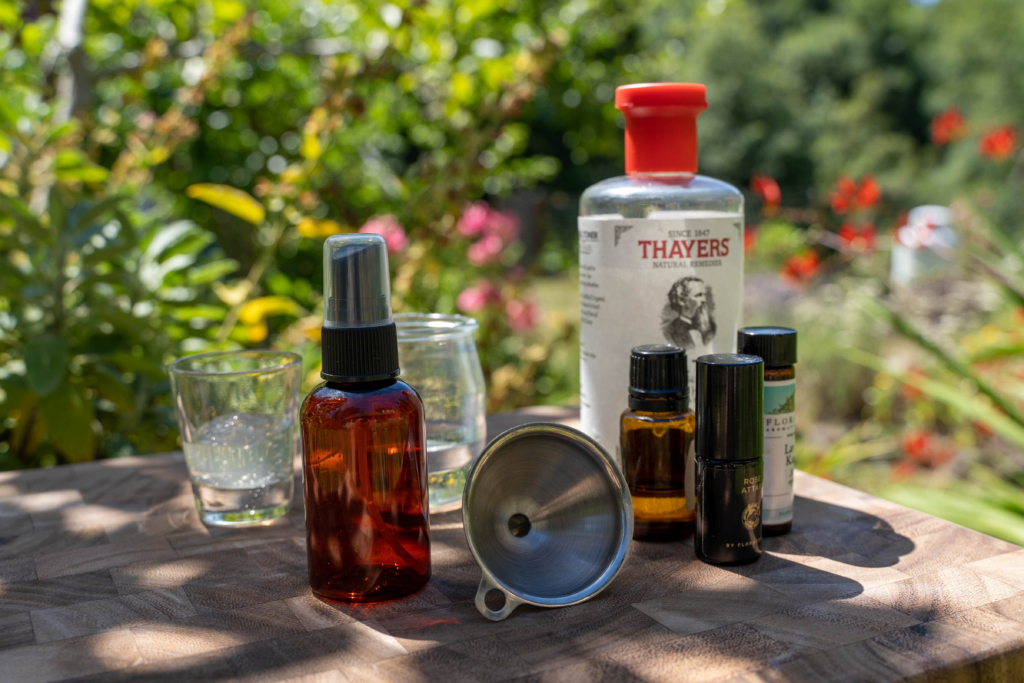
Ingredients & Tools
2 oz cobalt or amber spray bottle
Small funnel
1 oz witch hazel
1 oz distilled water
4 drops Peppermint essential oil (Mentha × piperita)
4 drops Lavender essential oil (Lavandula angustifolia)
4 drops Rose essential oil (Rosa spp.)
½ oz aloe vera gel (optional)
Instructions
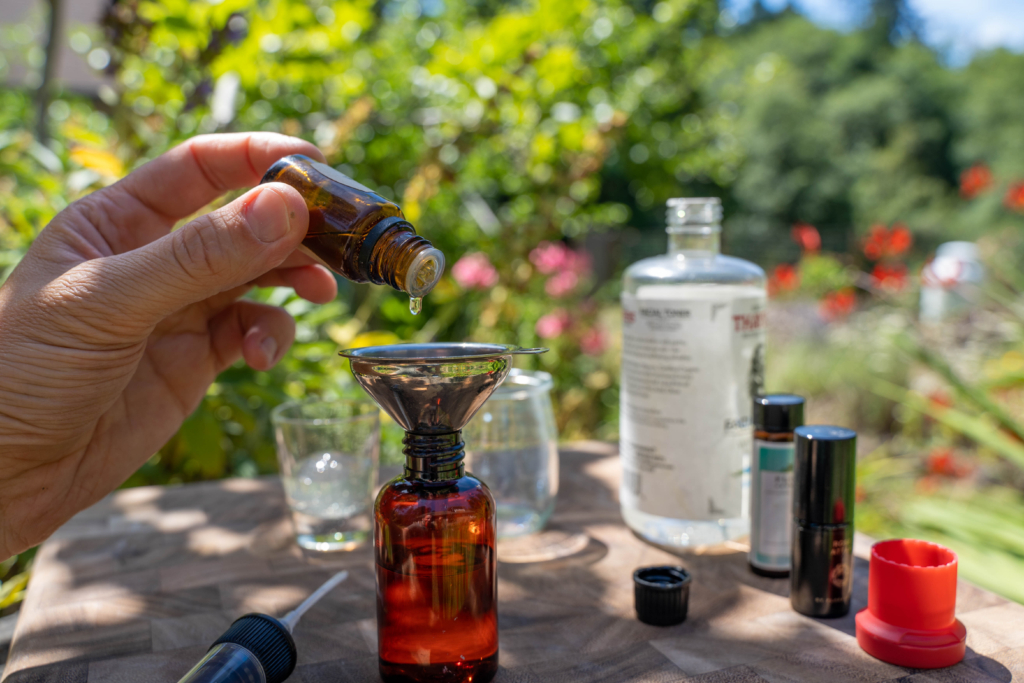
Using the funnel, measure out all of the ingredients into your spray bottle, and place the cap on the bottle. Shake well before use and use within one season. To prolong shelf life, you could store your bottle in the fridge (which will add to the cooling nature of the spray, too!).
(If you add in the aloe vera gel, cut the quantity of distilled water to ½ oz.)
If you've ever caught yourself dreaming of crafting your own herbal remedies and aromatic creations but weren't quite sure where to begin, now's your chance to turn those dreams into reality.
Our Art of Aromatic Preparations Mini-Course walks you step-by-step through the timeless skills of creating tinctures, glycerites, cordials, infused oils, salves, at-home hydrosols, and more.
With 6 immersive, hands-on video tutorials, you'll master the essential preparations, guided by Erika Galentin, clinical herbalist and aromatherapist with 2+ decades of experience.
From expert techniques to little-known tips passed down through tradition, you'll gain the confidence and skills to create a wide range of beautiful natural remedies.
References
1. Biophysical Society. Scientists finally reveal why mint feels cold. Science Daily. March 8, 2026. Retrieved from https://www.sciencedaily.com/releases/2026/03/260306224220.htm
2. Tisserand, Hana. Are Eucalyptus and Peppermint Oils Safe for Young Children? 2018. Retrieved from https://tisserandinstitute.org/learn-more/kids-inhalation-safety/
© 2026 The Northwest School of Aromatic Medicine. All rights reserved.
*The statements above have not been evaluated by the FDA, and are for educational purposes only. This article is not intended to diagnose, treat, cure, or prevent any disease. This article should not be taken as medical advice. Please consult your physician before you use this information for health purposes.
